
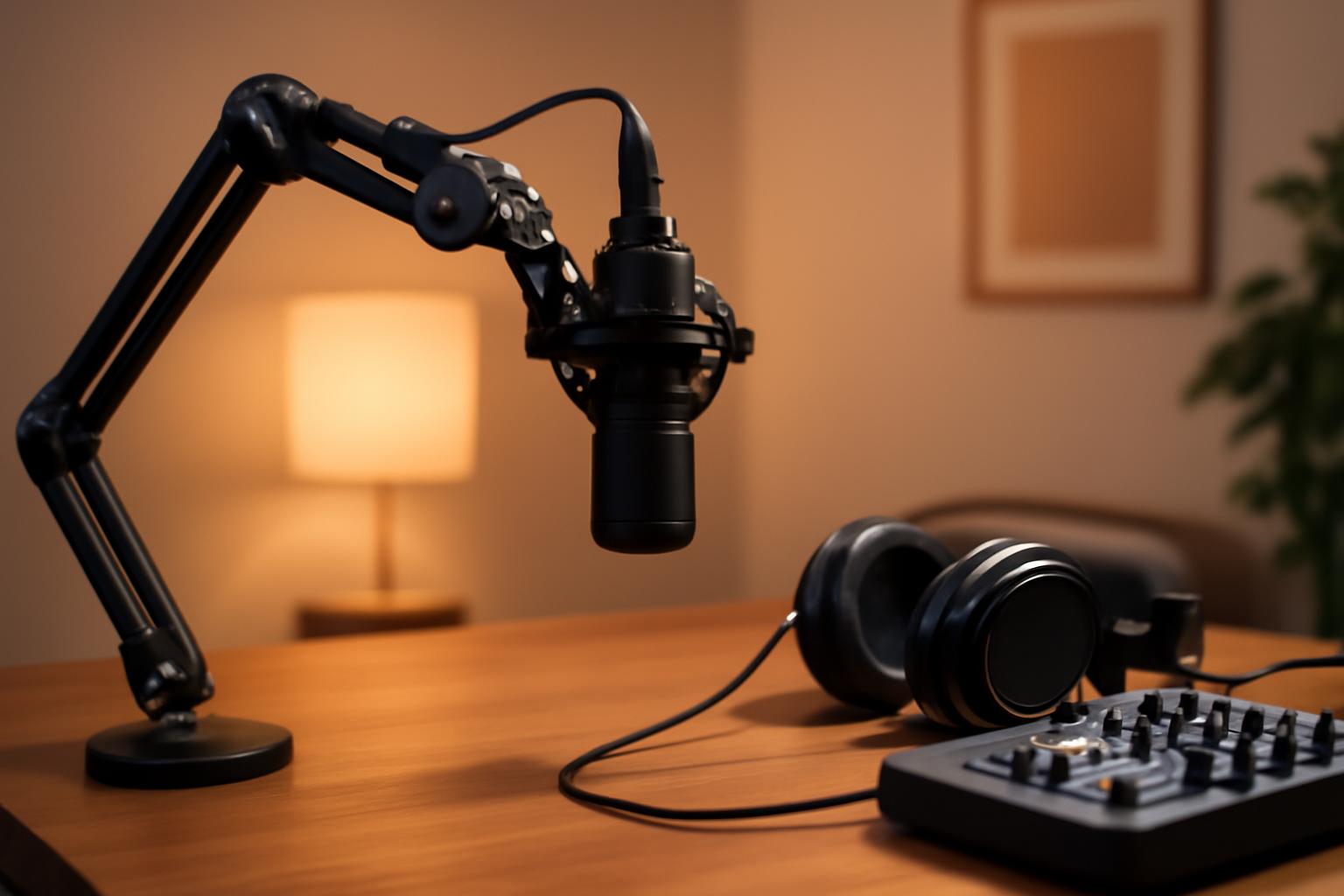
Top Podcasts Worth Bingeing This Year
\n
If you’re searching for the best podcasts 2025 has lined up, the lineup mixes sharp storytelling with fresh formats that keep listeners coming back. New seasons and breakout shows are hitting feeds across genres, giving both casual fans and aspiring creators plenty to study.
\n

\n
What Sets Great Shows Apart Right Now
\n
Production quality keeps climbing. Hosts who mix strong research with natural conversation pull bigger audiences than polished scripts alone. Many top shows now release shorter episodes that fit commutes while still delivering depth.
\n
Best Podcasts 2025 for Narrative Fans
\n
Story-driven series continue to dominate charts.
Serial-Style Investigations
\n
Shows like “The Retrievals” follow real cases with careful sourcing and tight editing. Listeners get weekly updates that feel like chapters in a book.
\n
Personal Memoirs Done Well
\n
“Heavyweight” returns with host Jonathan Goldstein guiding people through past regrets. The format stays simple: one guest, one unresolved story, honest conversations that avoid forced drama.
\n
Comedy Picks That Actually Land
\n
Stand-up adjacent shows thrive when hosts invite guests who riff instead of promote. “SmartLess” keeps momentum through genuine surprise reactions between the three hosts. Newer entries like “The Neighborhood Listen” blend scripted bits with improv that rewards repeat listens.
\n
Business and Tech Shows Creators Should Study
\n
Practical advice shows succeed when they break down real decisions instead of repeating buzzwords. “Acquired” walks through company histories with clear financial context. “How I Built This” still offers solid founder interviews that highlight early mistakes over highlight reels.
\n
News and Current Events Done Right
\n
Daily shows that avoid hot takes give listeners space to think. “The Daily” from The New York Times maintains strong reporting standards while keeping episodes under 30 minutes. Independent options like “The Bugle” deliver sharp takes with less corporate polish.
\n
- \n
- Check episode transcripts for SEO-friendly show notes ideas.
- Study how top shows use guest booking to grow cross-audience reach.
- Listen for sound design choices that support pacing without overwhelming dialogue.
\n
\n
\n
\n
Tools Aspiring Creators Can Borrow
\n
Many successful shows release behind-the-scenes notes on their own sites. Edison Research data shows listeners prefer consistent release schedules over surprise drops. Podtrac rankings highlight which networks maintain strong download numbers month after month. Spotify Charts reveal which categories gain listeners fastest when hosts experiment with episode length.
\n
Experiment with shorter teaser clips on social platforms to drive full episode plays. Track which topics keep listeners through the full runtime using basic analytics tools. Focus first on consistent audio quality and clear topic framing before adding complex production layers.
\n
Try sampling three episodes from each recommended show before committing to full seasons. Note what keeps you listening and apply those same hooks to your own planning process.
\n\n
\n
Sources
\n
- \n
- Podcast Index – Open podcast directory and API
- Spotify Newsroom – Official news and insights
- Edison Research – Audio and media research
\n
\n
\n
\n
Sports and Culture Commentary Worth Your Time
Beyond hard news, culture-focused shows are carving out dedicated audiences by diving deep into single topics rather than chasing trending headlines. “The Rewatchables” pairs film criticism with genuine enthusiasm, proving that niche passion beats broad appeal when done authentically. Sports podcasts thrive when hosts bring actual expertise—not just hot takes—to season analysis and player interviews. Shows that blend historical context with current moments attract listeners who want substance alongside entertainment.
What separates standout culture shows from the noise is willingness to sit with complexity. Hosts who admit uncertainty or change their minds mid-episode build trust faster than those defending positions reflexively. This approach also creates natural cliffhangers that keep audiences returning for follow-up episodes exploring the same topic from fresh angles.
How Production Choices Impact Listener Retention
The best shows 2025 demonstrate that production value extends beyond expensive equipment. Strategic use of silence, careful placement of music beds, and natural conversation pacing create shows that feel intimate rather than broadcast-like. Many top performers record multiple takes of intros and outros, then select the version with the most natural energy. This small investment yields episodes that feel conversational rather than over-rehearsed.
Guest integration matters equally. Shows that book people with genuine connections to hosts—rather than purely for promotional reasons—generate episodes with authentic chemistry. Listeners detect forced conversations instantly, which damages credibility and episode completion rates. The highest-ranking shows also edit strategically, cutting tangents that don’t serve the episode thesis while preserving the spontaneity that makes podcasts feel alive. Remote recording quality has improved enough that geographically distributed teams no longer suffer audio penalties if they invest in decent microphones and clean recording spaces.
Building Habits Through Strategic Release Timing
Consistency beats novelty in podcast listening. Audiences remember shows that release every Tuesday morning or Friday evening far better than sporadic drops. Research indicates listeners structure their weekly routines around trusted shows—morning commutes, gym sessions, weekend chores—creating reliable engagement windows. The best strategy combines predictable scheduling with occasional bonus episodes that reward loyal listeners without disrupting their expectations.
Episode length deserves deliberate choice rather than default. Shows that hit their natural endpoint at 35 minutes rather than padding to 50 often achieve higher completion rates. Creators should test different lengths over several weeks, tracking listener behavior through analytics to find the sweet spot for their specific audience. Some niches reward long-form exploration while others demand efficiency. Let data from your own audience guide duration decisions rather than copying successful shows in different categories.