
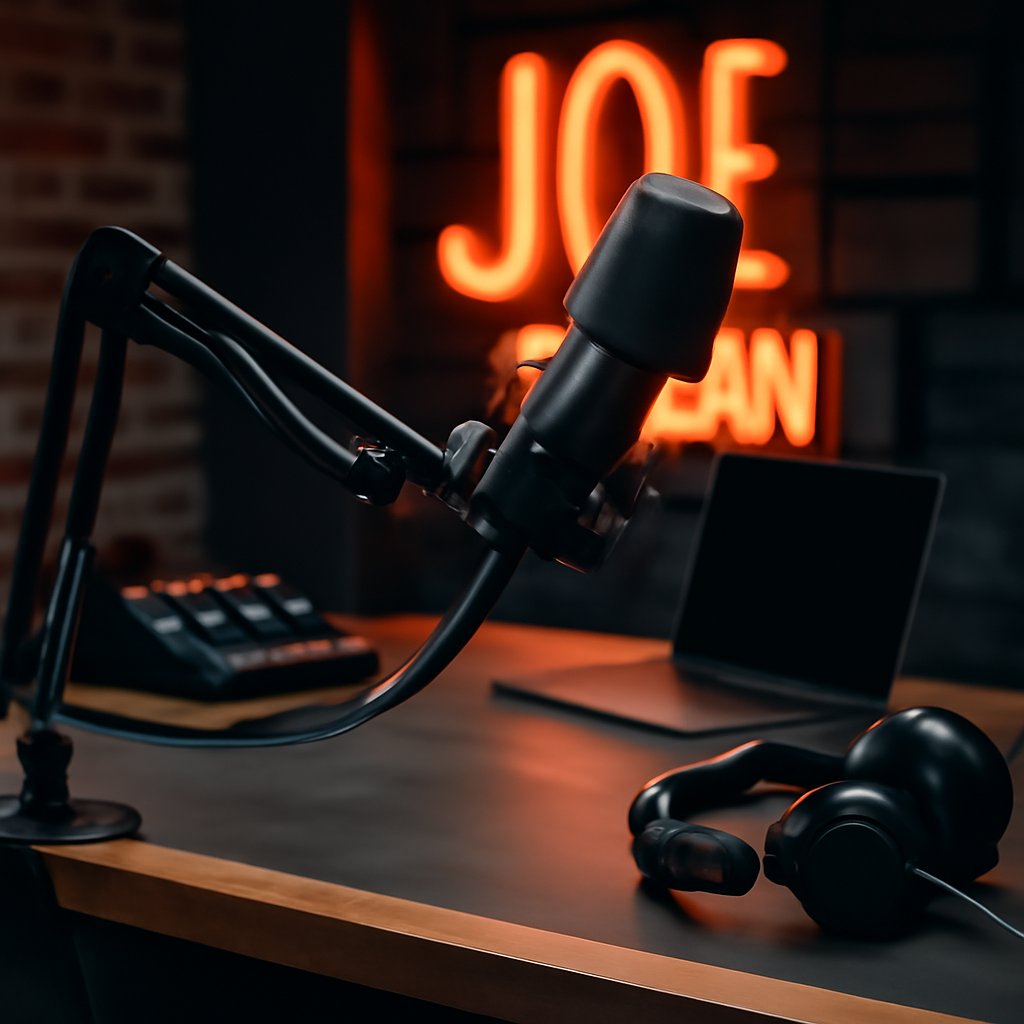
If you’re hunting for a podcast that actually sticks with you through those long commutes or late-night drives, the Joe Rogan Experience keeps proving why it dominates the charts. Its mix of unfiltered chats, wildly varied guests, and Joe’s real-deal curiosity pulls in listeners across the globe. Tuning in feels less like passive listening and more like eavesdropping on a conversation that could run in any direction.
Building an audience from scratch taught me that consistency and depth matter more than chasing trends, and JRE nailed that early. From those early casual chats, the show evolved into a full-blown cultural force because Joe focused on talking to interesting people about whatever sparked genuine interest—no scripts, no corporate filters. That approach clicked with folks tired of packaged content, and the organic growth came from steady releases, marathon episodes, and a willingness to wade into topics others avoid.
As a podcaster who has navigated the media landscape as a woman of color, I’ve seen how independent creators win when they prioritize authenticity over polish. JRE’s formula leans into that: episodes stretch two to three hours on average, giving conversations room to breathe. Joe’s stand-up roots and UFC commentary background add humor and easy relatability, while the free availability on every major platform lowers the barrier for new ears. These elements combine to make the show a marketing masterclass in reach without gatekeepers.
What keeps people hooked is the format itself. The unscripted flow lets guests drop their guard, turning episodes into spaces for unexpected stories and real laughs. It balances heavy topics like politics or wellness with lighter detours into comedy bits, so nothing ever feels one-note. Listeners end up feeling included rather than sold to—an approach any independent media maker should study when thinking about retention.
The guest lineup seals its status as the most popular podcast. Scientists, athletes, authors, musicians, and comedians cycle through, with standouts like deep talks on consciousness alongside Neil deGrasse Tyson or sharp exchanges on current events. Comedy veterans bring storytelling gold, and fighters share insider octagon perspectives. Those moments often spark social media buzz, pulling in fresh audiences who then dive into the archives. Themes around health and fitness hacks, psychedelics for mental wellness, and behind-the-scenes industry access keep the rotation dynamic and relevant.
One crucial factor that separates JRE from competitors is the platform strategy. While many podcasts chase exclusivity deals with streaming services, the Joe Rogan Experience maintains widespread distribution across Spotify, Apple Podcasts, YouTube, and independent podcast apps. This omnichannel approach dramatically expands reach—listeners can pick their preferred platform without friction. That accessibility mindset reflects a broader understanding that audience growth happens when you meet listeners where they already are, rather than forcing them to adopt new habits. The show’s YouTube presence, in particular, adds another dimension since video content can surface through algorithm recommendations and appeals to viewers who prefer watching conversations unfold.
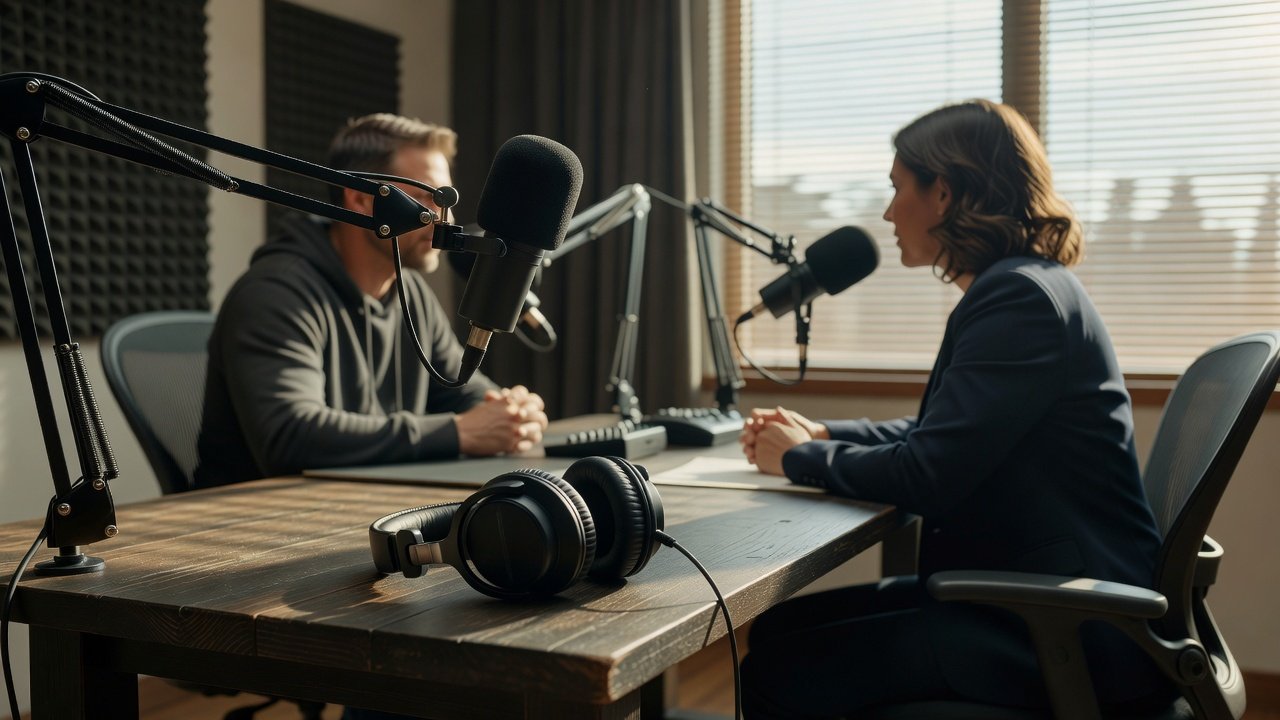
The production quality, while intentionally stripped back in some ways, benefits from serious technical investment behind the scenes. The podcast operates from a well-equipped studio with professional audio equipment and technical support, which means listeners get clear, crisp sound during those long-form conversations. This matters more than many creators realize—audio quality directly impacts whether people stick through a full episode or bounce early. JRE proves that “authentic” doesn’t mean “poorly produced.” The show maintains production standards that support its content rather than distract from it.
Sponsorship strategy also plays a role in JRE’s staying power. Rather than cramming episodes with disruptive ads or pivoting content around sponsor demands, the show integrates sponsors in a way that feels conversational. Joe reads ad reads naturally, often with personal commentary, which makes them less jarring than traditional podcast advertising. This approach respects listener attention while still monetizing effectively—a balance that keeps the economics of independent production sustainable.
The longevity factor deserves attention too. The Joe Rogan Experience launched in 2009 when podcasting was still niche, and it’s maintained consistent weekly output for years. That track record of reliability builds trust. Listeners know new episodes arrive regularly, which creates habitual consumption patterns. In an era where people juggle infinite entertainment options, that predictability and consistency function as powerful retention tools. New listeners discovering the archives find thousands of episodes to explore, which creates a massive moat against competition.
Joe Rogan’s personal brand strength compounds the podcast’s appeal. His background as a stand-up comedian, Fear Factor host, UFC commentator, and hunter creates natural credibility across diverse audience segments. He brings genuine curiosity to conversations rather than positioning himself as the expert in the room, which paradoxically makes him more authoritative. Listeners respect that he asks real questions and admits when he doesn’t know something. That humility builds connection in ways that pretending omniscience never could.
The podcast also benefits from what might be called “cultural weather”—it frequently becomes the subject of broader conversations about free speech, media independence, and the role of long-form journalism. Whether through guest appearances by controversial figures or discussions of polarizing topics, JRE consistently finds itself at the center of larger cultural debates. This attention, both positive and negative, keeps the show relevant and drives discovery from people interested in cultural commentary itself.
In the business of independent media, JRE’s ripple effect is clear. It showed creators that long-form, authentic content can scale bigger than slick productions, pushing the whole space toward more genuine connections. For anyone building their own show, this serves as proof that audience loyalty grows when you treat listeners like participants in an ongoing dialogue rather than a numbers game. The formula works because it respects both the format and the audience—recognizing that people crave real conversation in an era of polished unreality.
The metrics back this up across multiple studies tracking podcast consumption. JRE consistently ranks among the top five most-listened-to podcasts globally, with hundreds of millions of downloads annually. Its influence extends beyond pure listening numbers into cultural impact—episodes get referenced in news cycles, memes originate from clips, and guest appearances on JRE boost authors’ book sales and creators’ visibility substantially.
Search up the Joe Rogan Experience on your usual app and start with whatever episode fits your vibe—you’ll see why millions keep coming back.