
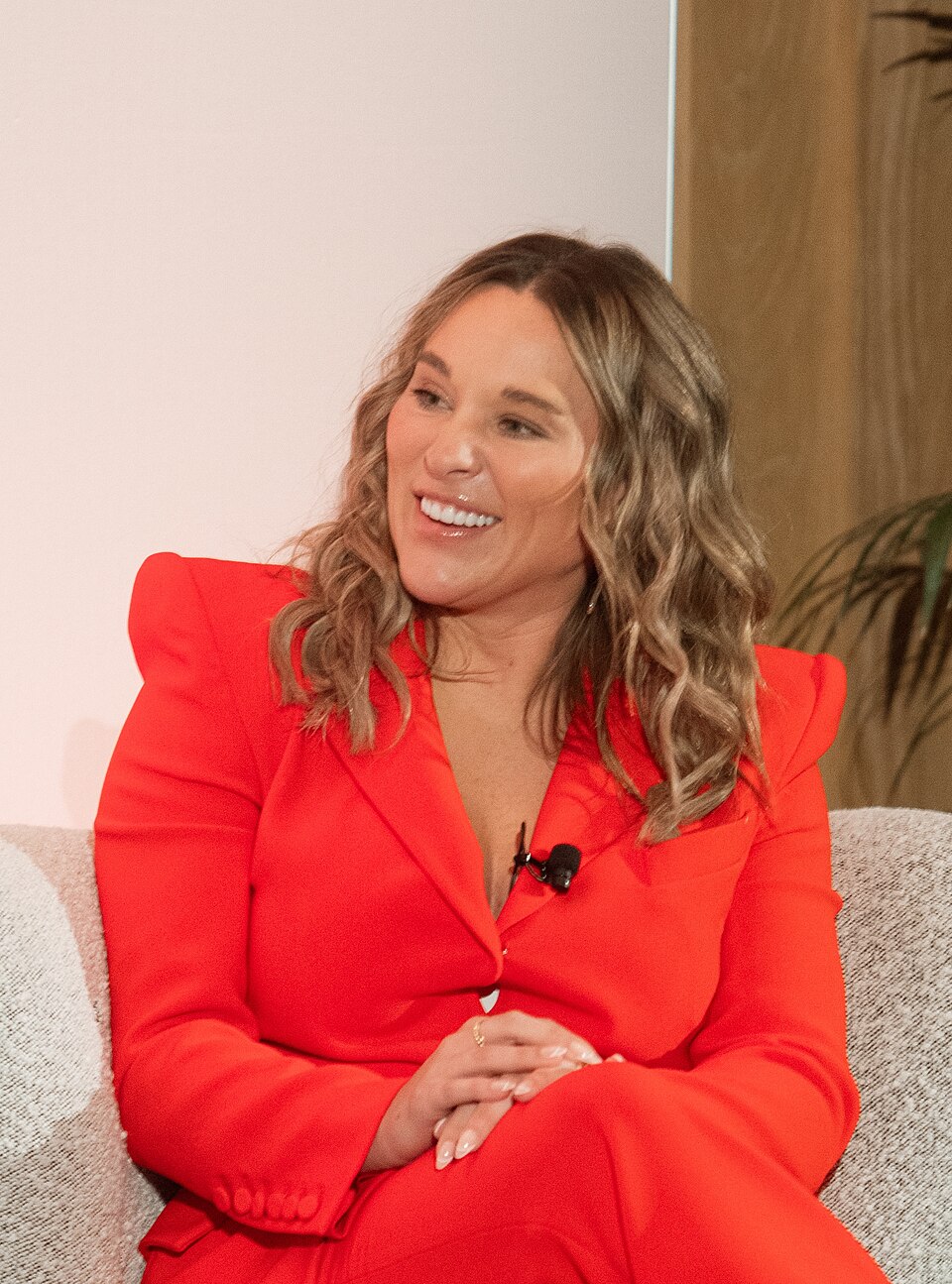
If you’re a true crime fan hunting for a show that respects both the stories and your time, Crime Junkie stands out with its tight storytelling, careful research, and steady focus on the victims rather than the gore. Ashley Flowers and Brit Prawat have built something that feels like a trusted weekly conversation, whether you’re commuting through city traffic or catching up on a treadmill. Their conversational tone pulls you in without the sensational fluff that turns so many listeners off.
Building an audience from scratch taught me that consistency and respect for your community matter more than flashy production tricks, and Crime Junkie proves it. The hosts prioritize factual timelines and human impact, which creates emotional loyalty that algorithms alone can’t buy. As a podcaster who has navigated the media landscape as a woman of color, I recognize how rare it is to see a show balance heavy subject matter with genuine empathy while still scaling into a sustainable media brand.
What really sets the podcast apart is its refusal to treat cases as disposable content. When new details surface, the team circles back, keeping listeners informed instead of chasing the next headline. That kind of follow-through is smart independent media strategy; it turns casual listeners into long-term advocates who spread the show through word-of-mouth, one of the most effective forms of podcast marketing. Crisp audio and focused editing keep episodes moving, a reminder that in today’s crowded market, respecting your audience’s attention is good business.
Memorable episodes like the Maura Murray disappearance and the Delphi murders show how the hosts build suspense while staying grounded. Other standouts include the Golden State Killer case and stories like Hae Min Lee’s murder, which open broader conversations about wrongful convictions. Seasonal cold-case specials even encourage listener tips that have led to real-world movement. These choices make fans feel like participants, not just passive consumers.
Ashley brings sharp energy and personal reactions that make each episode feel intimate, while Brit keeps the dialogue natural and probing. Their chemistry turns difficult topics approachable. They actively weave in audience suggestions, a tactic that strengthens community and fuels organic growth in the independent media space. Beyond the episodes, the Crime Junkie Podcast Fund directs a portion of proceeds to victims’ families and cold-case work, spotlighting organizations like the National Center for Missing and Exploited Children. This approach transforms entertainment into tangible advocacy, something more shows in our industry should study.
Since launching in 2017, Crime Junkie has grown from a passion project into one of the most downloaded podcasts globally, consistently ranking in the top ten on major platforms. This trajectory didn’t happen by accident. The show’s success reflects a deliberate editorial philosophy that prioritizes depth over novelty. Rather than covering a different case every week, episodes often span multiple installments, allowing the narrative to breathe and viewers to absorb complex details without feeling rushed. This serialized approach, borrowed from true crime documentary traditions, transforms individual cases into compelling arcs that keep audiences coming back week after week.
The podcast’s production quality deserves particular attention. Crime Junkie invests in sound design that enhances rather than distracts from storytelling. Background music is subtle and purposeful, interview audio is clean, and the pacing reflects meticulous editing. For podcasters looking to improve their craft, Crime Junkie demonstrates that professional-grade audio doesn’t require mansion-sized budgets—it requires intentionality. Every decision, from microphone selection to post-production workflow, signals respect for the listener’s experience. This attention to detail has become a calling card that sets the show apart in a landscape where listener retention often depends on production polish.
The duo’s research methodology also warrants examination. Crime Junkie relies on primary sources: court documents, official records, police reports, and direct interviews with investigators and family members. This commitment to verification builds credibility, particularly important when discussing active cases or ongoing investigations. In an era of misinformation, audiences increasingly seek podcasters who cite sources and acknowledge uncertainties. Crime Junkie models this approach by explicitly noting when details remain contested or unconfirmed, a practice that strengthens listener trust rather than weakening narrative momentum.
Beyond individual episodes, Crime Junkie has expanded into a multimedia ecosystem. The official website provides supplementary materials, case summaries, and resource links that extend the podcast experience. This multi-platform strategy aligns with modern listener expectations; fans want the ability to dive deeper after an episode ends. Additionally, Crime Junkie’s social media presence maintains engagement between episode releases without becoming intrusive or algorithm-dependent. The show’s Instagram and other channels share case updates, victim remembrances, and community highlights in a way that feels genuine rather than promotional.
The podcast’s impact on actual investigations deserves mention as well. Listener tips have contributed to case developments, arrests, and renewed investigative interest in cold cases that had grown stagnant. This real-world impact elevates the show beyond entertainment into a public service category. Families of missing or murdered individuals have expressed gratitude for the renewed attention and resources that Crime Junkie coverage generates. This outcome stems directly from the show’s commitment to thorough research and respectful representation—listeners become invested because the hosts demonstrate genuine care for outcomes beyond listener numbers.
For content creators wondering how to sustain a podcast long-term, Crime Junkie offers practical lessons. Consistency in scheduling builds audience habit; listeners know when new episodes drop and plan accordingly. A clear, distinctive format makes the show recognizable and reduces listener friction—audiences know what they’re getting, and that predictability is valuable. Transparency about sources and methodology creates the kind of credibility that transcends trends. And maintaining genuine passion for the subject matter communicates authentically through microphones; listeners can sense when creators care about their work rather than simply monetizing engagement.
The show’s monetization strategy also reflects maturity in the independent media space. Crime Junkie accepts sponsorships strategically, ensuring brand partnerships align with the show’s values and audience expectations. This selectivity prevents the jarring tonal shifts that plague podcasts where sponsor reads feel opportunistic rather than integrated. The Crime Junkie Podcast Fund represents another revenue model increasingly important to independent creators: converting audience goodwill into charitable impact, which reinforces listener loyalty while generating measurable social benefit.
For anyone building a playlist or looking to understand what keeps listeners returning, Crime Junkie offers education wrapped in empathy. Start with the popular episodes, then explore the catalog; the steady release cadence rewards dedicated fans. In the business of independent media, that blend of respect, impact, and connection is what separates a hit from background noise. Whether you’re a casual true crime listener or someone researching podcast strategy, Crime Junkie demonstrates that the most sustainable growth comes from prioritizing audience trust above short-term metrics.
Sources
- Podcast Index – Open podcast directory and API for discovering and analyzing podcasts
- Spotify Newsroom – Official news and insights about Spotify’s podcasting initiatives
- Edison Research – Media and marketing research organization specializing in podcasting data
- Crime Junkie Official Website – Direct source for Crime Junkie podcast information