
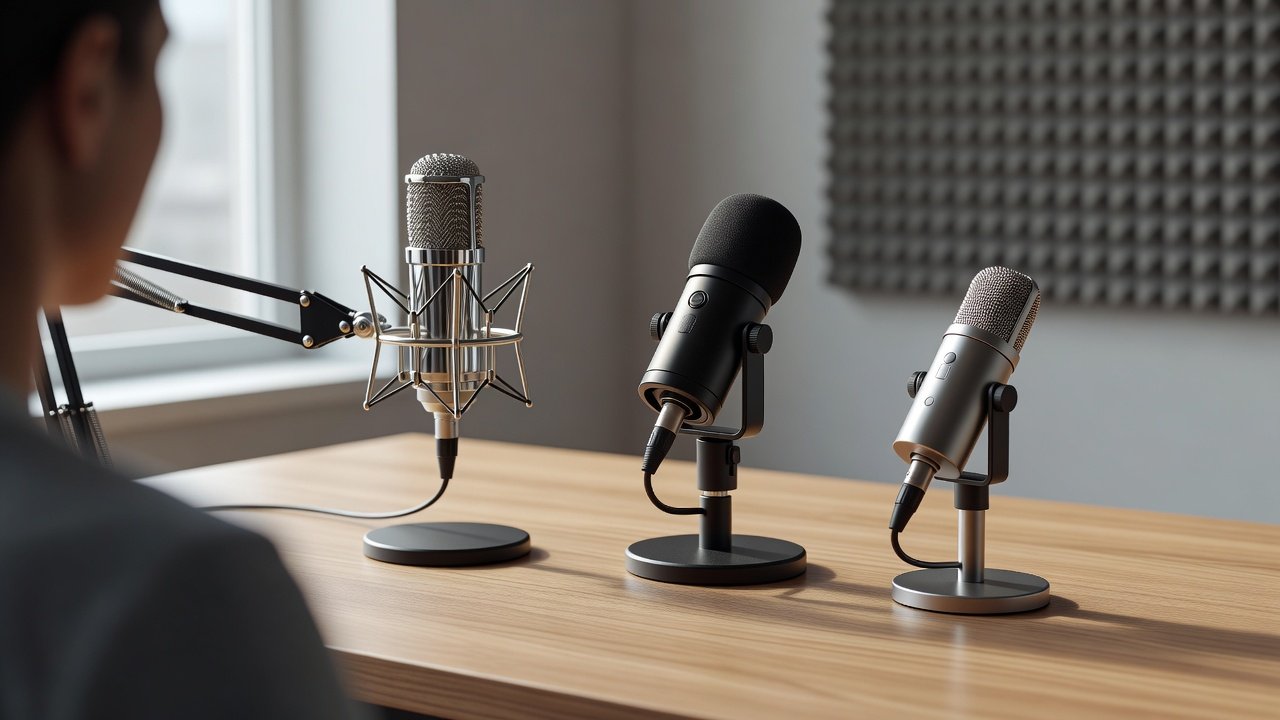
Choosing the right podcast microphone is essential for creators producing true crime podcasts, comedy shows, education podcasts, and detailed episode guides. A high-quality podcast microphone ensures clear audio that keeps listeners engaged whether you’re narrating chilling true crime cases, delivering punchy comedy timing, or breaking down complex educational topics in your reviews.

Understanding Podcast Microphone Basics for Different Genres
When selecting a podcast microphone, it’s important to match the tool to your content style. True crime podcasts often rely on intimate, conversational tones with dramatic pauses, requiring a microphone that captures subtle vocal nuances without picking up background noise from research notes or case files. Comedy podcasts thrive on energetic delivery and group banter, so dynamic microphones that handle louder volumes and multiple voices work best to avoid distortion during rapid-fire jokes or impressions.
The microphone you choose fundamentally shapes how your audience perceives your content. Audio quality acts as a silent narrator in itself—listeners unconsciously associate clear, professional sound with credible information in true crime productions, authentic warmth in comedy, and trustworthiness in educational content. This psychological connection between audio fidelity and content perception makes microphone selection one of the most impactful decisions early-stage podcasters can make.
Why Education Podcasts Need Specific Audio Quality
Education podcasts demand crisp, professional sound for explaining intricate concepts, interviews with experts, or episode guides that reference historical facts. A condenser microphone can excel here by delivering detailed frequency response that makes complex explanations easy to follow. Reviewers of comedy and true crime shows frequently note how poor microphone choice leads to listener drop-off, while strong audio elevates production value and encourages subscriptions.
For educational content creators, microphone selection directly impacts comprehension rates. When listeners can clearly hear every syllable of technical terminology, they’re more likely to grasp complex subject matter and recommend episodes to peers. Additionally, education podcasts often involve interviews with subject matter experts, many of whom form opinions about your production quality within seconds. A subpar microphone signals unprofessionalism before your guest has finished their first answer, potentially affecting their willingness to return for follow-up interviews or recommend your show to their networks.
Key Features to Evaluate in a Podcast Microphone
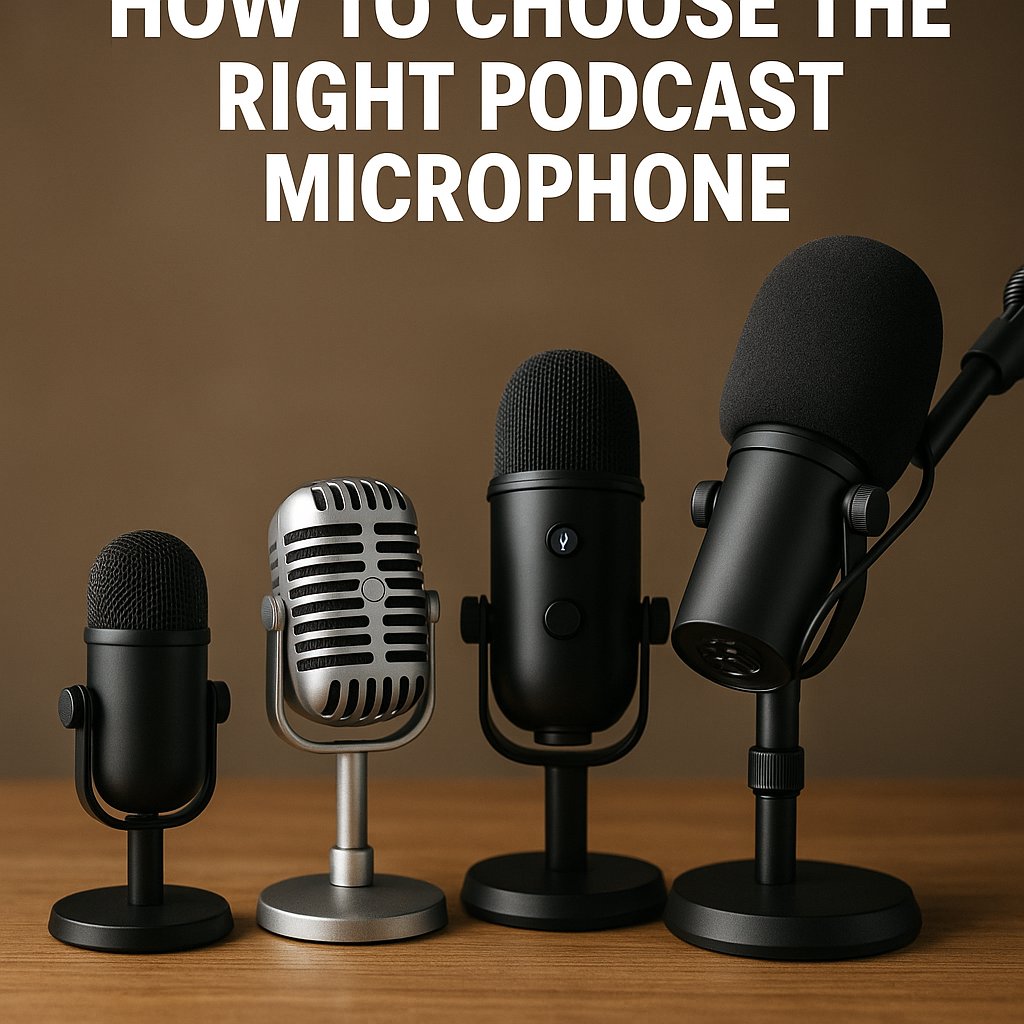
Start by considering connectivity options. USB microphones offer plug-and-play simplicity ideal for solo education podcasters recording episode guides from home offices, while XLR setups provide more flexibility for true crime teams using mixers during live recordings. Frequency response is another critical factor—look for models ranging from 20Hz to 20kHz to accurately reproduce both deep narration in true crime stories and high-pitched comedic sound effects.
Polar patterns matter greatly depending on your setup. Cardioid patterns reject off-axis sound, perfect for isolating a host’s voice amid comedy co-host crosstalk or education podcast soundboards. Sensitivity levels should align with your environment; lower sensitivity helps in untreated rooms common among independent true crime creators who record late at night to avoid household interruptions.
Beyond these fundamental specifications, understanding impedance and maximum sound pressure level (SPL) helps prevent technical headaches. Impedance affects how well your microphone pairs with your preamp or audio interface—mismatched impedance can result in weak signal transmission or excessive noise. Maximum SPL matters especially for comedy podcasts where shouting, laughter, and sound effects occasionally exceed normal speaking volumes. A microphone with SPL ratings below 120dB may distort during enthusiastic moments, while models rated at 130dB or higher maintain clarity even during peak energy.
Self-noise (often called equivalent noise level or EIN) represents the background hiss your microphone produces even when capturing silence. For audio professionals, anything below 14dB EIN is considered excellent, while 20dB or higher becomes noticeable during quiet passages common in true crime storytelling. This specification matters less for dynamic content but becomes critically important when recording solo narration or interview segments where every background element is amplified during post-production.
Top Recommendations for True Crime, Comedy, and Education Podcasts
For true crime enthusiasts, the Audio-Technica AT2020 paired with an XLR interface delivers studio-grade clarity that highlights every detail in victim interviews or forensic breakdowns. Comedy podcast hosts often prefer the Shure SM7B for its ability to tame plosives during enthusiastic rants and handle proximity effect for warm vocal tones that enhance humorous storytelling. Education podcasters creating episode guides benefit from the Rode NT-USB+ because its zero-latency monitoring allows precise self-editing of lecture-style segments.
The AT2020 has become industry standard for independent true crime creators because it balances affordability with professional output quality. Its relatively flat frequency response means listeners hear your voice as you actually sound, without artificial coloration. The Shure SM7B commands a higher price point but justifies the investment through superior plosive handling—the internal shock mount and presence peak in its frequency response make voices sound larger than life, a quality comedians find invaluable when recording energetic banter. The Rode NT-USB+ occupies the middle ground, offering convenient USB connectivity while maintaining audio quality comparable to much more expensive models through its internal preamp and digital mixing capabilities.
Budget-Friendly Options Versus Premium Choices
Entry-level creators can start with the Fifine K669B USB mic, which performs surprisingly well for beginner true crime narration and basic comedy sketches. Those scaling up to professional education series should invest in the Neumann U87 for unmatched fidelity during long-form interviews. Always test gain staging to prevent clipping, especially when layering sound design elements common in true crime productions or comedic skits.
The Fifine K669B deserves special mention because it’s engineered specifically for podcasting, not repurposed for that purpose. Its design includes a pop filter attachment, shock mount, and mute button—features that would cost an additional $50-100 separately on professional models. For comedy teams recording multiple voices simultaneously, the Fifine’s cardioid pattern effectively isolates each speaker when positioned strategically around a recording space, making it excellent for remote interview setups where you’re capturing guest audio alongside your own.
The Neumann U87 represents the gold standard for podcast audio—used in professional studios, broadcast facilities, and commercial production environments worldwide. Its dual-diaphragm design provides exceptional off-axis rejection while maintaining pristine audio quality at various distances from the microphone. For education podcasters building a sustainable long-term operation, a Neumann investment signals quality to sponsors and guest experts while delivering technical performance that sustains listener engagement across multi-season productions.
Consider accessories like shock mounts and pop filters, which reduce handling noise during animated comedy recordings and protect against breath sounds in sensitive education content. Software integration also plays a role—many top-reviewed microphones work seamlessly with DAWs used for polishing true crime episode guides.
Quality accessories multiply your microphone’s effectiveness at a fraction of the equipment cost. A professional shock mount ($30-60) eliminates vibration transmission from desk bumps, reducing post-production cleanup time. Pop filters ($15-40) prevent hard consonants from overloading your microphone’s diaphragm, protecting against the expensive re-recording sessions that budget-conscious creators desperately want to avoid. Boom arms ($25-100) enable precise microphone positioning without requiring additional stand space, particularly valuable when recording in compact home studios where podcasters often balance day jobs alongside their creative pursuits.
Key Facts and Statistics
- Over 75% of top-rated true crime podcasts in 2023 used dynamic microphones to minimize ambient interference during remote interviews.
- Comedy podcast downloads increase by an average