
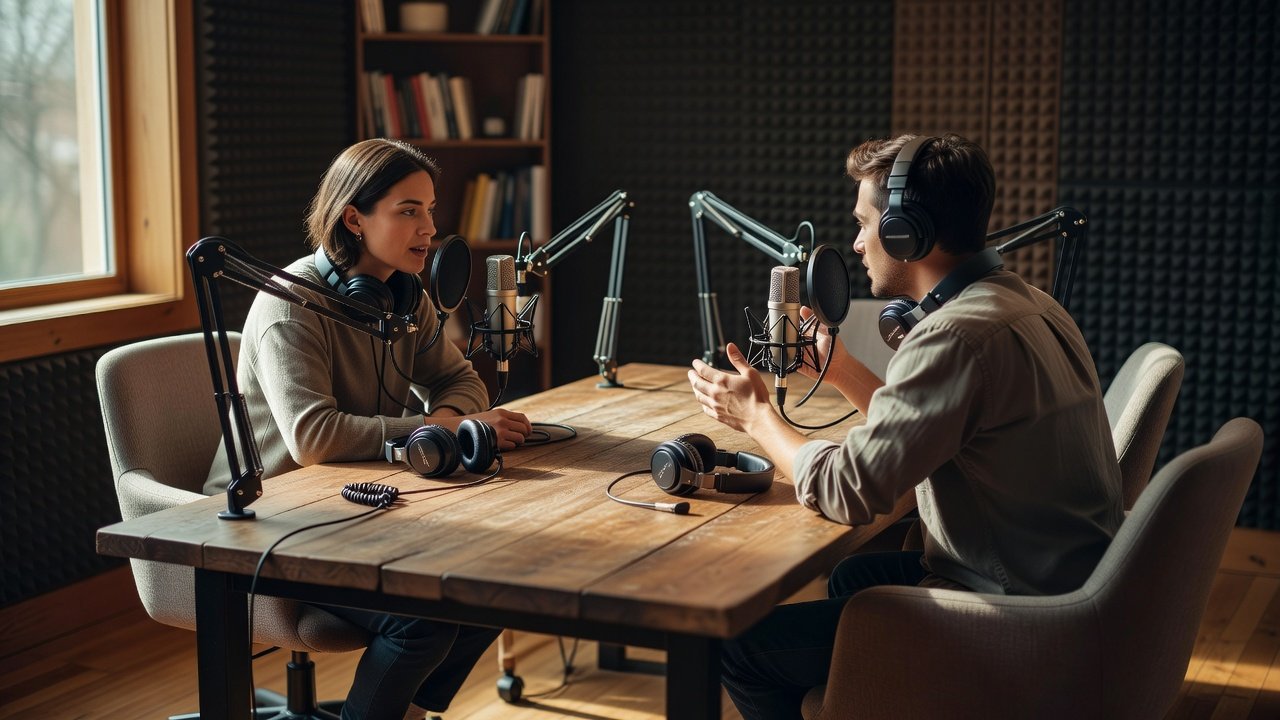
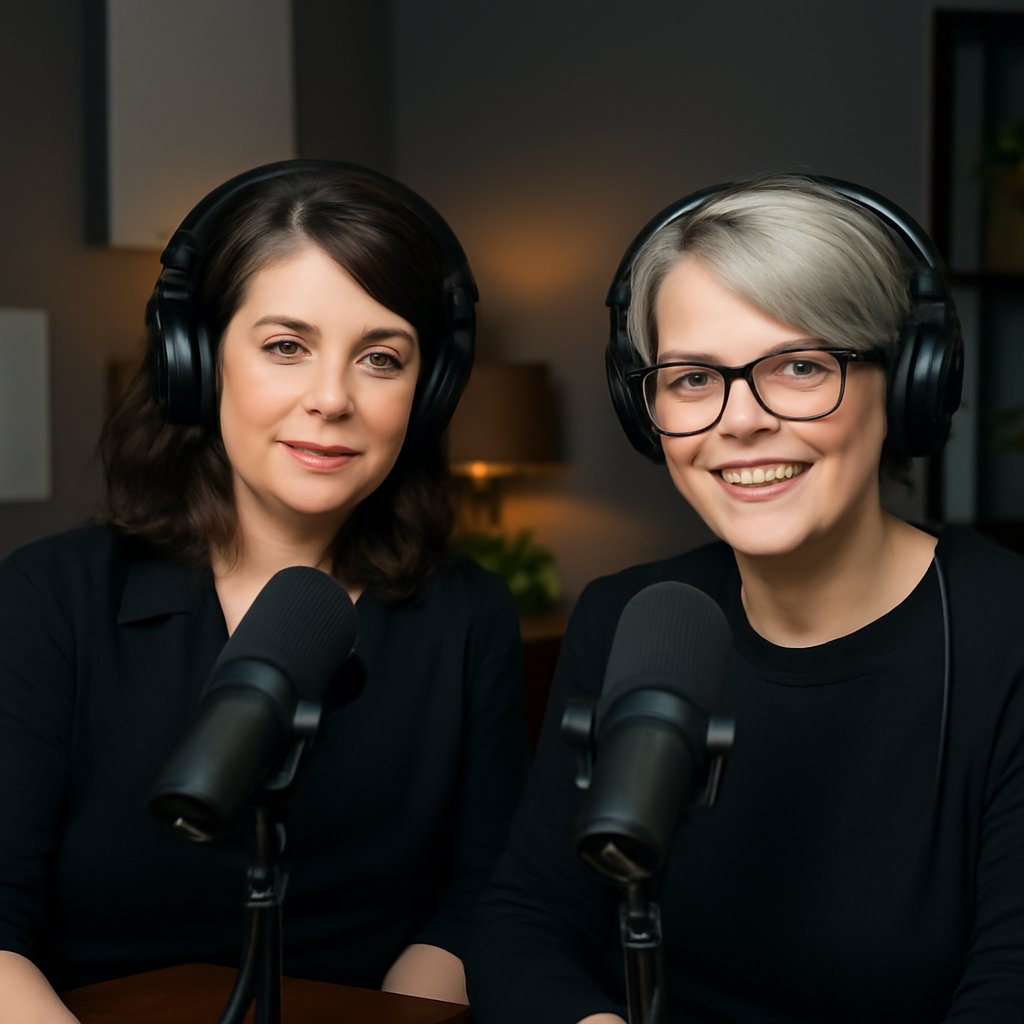
If you’re deep into true crime podcasts that balance tension with genuine laughs, Karen Kilgariff and Georgia Hardstark have likely become your go-to voices each week. Their blend of sharp timing, personal asides, and natural rapport turns heavy material into something that feels conversational, which is exactly why the show has built such a dedicated audience. From a production standpoint, that kind of organic flow is what keeps listeners locked in across long episodes without fatigue.
Karen and Georgia first clicked in the LA comedy scene, where shared storytelling instincts turned casual case discussions into a podcast format. Early episodes captured that raw, unfiltered energy, and after producing hundreds of episodes myself, the technical reality is that starting with loose, in-person recordings like theirs sets a foundation that’s hard to fake later in the DAW. Their approach avoided stiff scripting, letting real laughter and tangents breathe, which translates directly to better listener retention.
Karen’s dry, observational delivery cuts through dense case details with precision. Her stand-up background gives her phrasing a natural cadence that sits well in a mix—think minimal compression so those punchy asides land without squashing dynamics. In the studio, this decision makes or breaks listener experience, because over-processing a voice like hers can flatten the very wit that makes her sections pop. She also weaves in personal reflections that feel unforced, creating moments where a simple cardioid mic setup and careful room tone capture can make vulnerability feel intimate rather than produced.
Signature beats from Karen often include those extended rants on small-town dynamics or outdated procedures. These work because her pacing gives editors room to tighten without losing the rhythm, and the recurring mental health tangents land with just enough space in the waveform for listeners to absorb.
Georgia counters with high-energy delivery and quick pivots that keep momentum alive. Her TV hosting background shows up in how she rides volume swells—great for adding excitement, but it demands solid gain staging and light limiting in post to prevent clipping on peaks. When she hits a twist with an outburst, that moment becomes a clip-worthy asset, but it only shines if the recording chain handled her transient spikes cleanly from the start.
Their combined back-and-forth creates a conversational rhythm that’s deceptively hard to replicate. The way they trade inside jokes and supportive interruptions feels like a well-balanced stereo field: Karen anchored on one side, Georgia providing movement on the other. After years behind the board, I’ve seen how this kind of chemistry reduces the need for heavy edits, letting the natural timing carry the episode while still leaving room for subtle noise reduction or ducking during heavier segments. That approach has kept My Favorite Murder distinct in a crowded space, where connection and clean signal paths matter more than over-polished production values.
The show launched in January 2016 as an independent project before finding its home with SiriusXM’s Stitcher platform, and that trajectory tells you something important about their growth model. They didn’t chase trends or try to manufacture virality—instead, they built something sustainable that rewarded listener loyalty. The podcast now consistently ranks in the top tier of true crime programming across major platforms, with episode downloads regularly exceeding millions per week. That kind of staying power doesn’t come from gimmicks; it comes from hosts who genuinely know their material and each other.
What makes their chemistry particularly effective is how they’ve managed to maintain authenticity while scaling up production. Many podcasts falter when they transition from bedroom recording setups to professional studios because the spontaneity gets replaced by self-consciousness. Karen and Georgia never made that mistake. They kept the conversational DNA intact even as their audience grew exponentially. Listen to early episodes versus recent ones, and you’ll notice the audio quality has improved dramatically, but the fundamental vibe remains unchanged. That’s intentional creative direction, not luck.
The show’s format deserves attention too. Each episode typically covers a true crime case selected by one of the hosts, with the other providing reactions and commentary. This structure creates natural pacing—you get deep dives without monotone exposition, because one person is always anchoring the audience experience while the other provides perspective or comic relief. It’s a format that works because it mirrors how people actually discuss interesting stories with friends, not how a news anchor delivers information.
Their approach to sensitive subject matter also sets them apart. Murder, violence, and trauma aren’t treated as entertainment fodder—there’s genuine respect for victims and survivors woven throughout. Karen and Georgia make it clear they’re not glorifying these stories; they’re examining them with curiosity and dark humor as a coping mechanism. That distinction matters. It’s why fans feel comfortable staying loyal despite the heavy content, and why critics who write the show off as exploitation without listening are missing the nuance.
Both hosts bring their own research practices to the table. Karen’s background in writing and comedy writing means she digs into the psychological elements of cases, often exploring systemic failures or cultural attitudes that enabled crimes. Georgia tends toward the investigative details and evidentiary threads, asking the “how did this happen” questions that forensic listeners appreciate. This division of labor isn’t rigid—they cross over constantly—but it ensures episodes maintain intellectual depth alongside emotional resonance.
The fan community around My Favorite Murder is similarly impressive. The “MFM Army,” as fans call themselves, has generated consistent engagement through social media, live shows, and listener submissions. Karen and Georgia have been generous about acknowledging their audience’s contributions, sometimes reading listener stories or incorporating feedback into episode direction. That kind of parasocial honesty can feel manufactured if done wrong, but they’ve managed to keep it genuine. They share personal struggles alongside their humor, which builds the kind of connection that keeps people coming back.
Their live show expansions have been strategic too. Rather than churning out constant tour dates, they’ve done selective live recordings in major markets, turning those into podcast episodes that capture the energy of a room full of fans. This approach gives listener-facing content a cinematic quality—you can hear the audience reaction, which adds another layer to their already tight dynamic. It’s also financially sustainable, unlike some comedy podcasts that burn out trying to tour constantly while maintaining a weekly release schedule.
For anyone trying to start or improve a podcast, the My Favorite Murder formula offers real lessons. First, pick a co-host you genuinely like and work well with—the chemistry is irreplaceable. Second, invest in decent recording equipment but don’t obsess over production values at the expense of authenticity. Third, respect your audience enough to do real research while keeping the tone conversational. Fourth, find the balance between consistency and flexibility; they stick to a weekly schedule, but episodes vary wildly in tone and structure depending on which case is being covered.
Karen Kilgariff and Georgia Hardstark have built something that endures because it works on multiple levels simultaneously. True crime fans get detailed case exploration. Comedy fans get consistently sharp writing and timing. Audio professionals can study how they’ve engineered genuine connection without sacrificing production standards. And casual listeners simply get the feeling of hanging out with friends who happen to know a lot about murder. That’s a rare achievement in podcasting, and it’s worth paying attention to.