
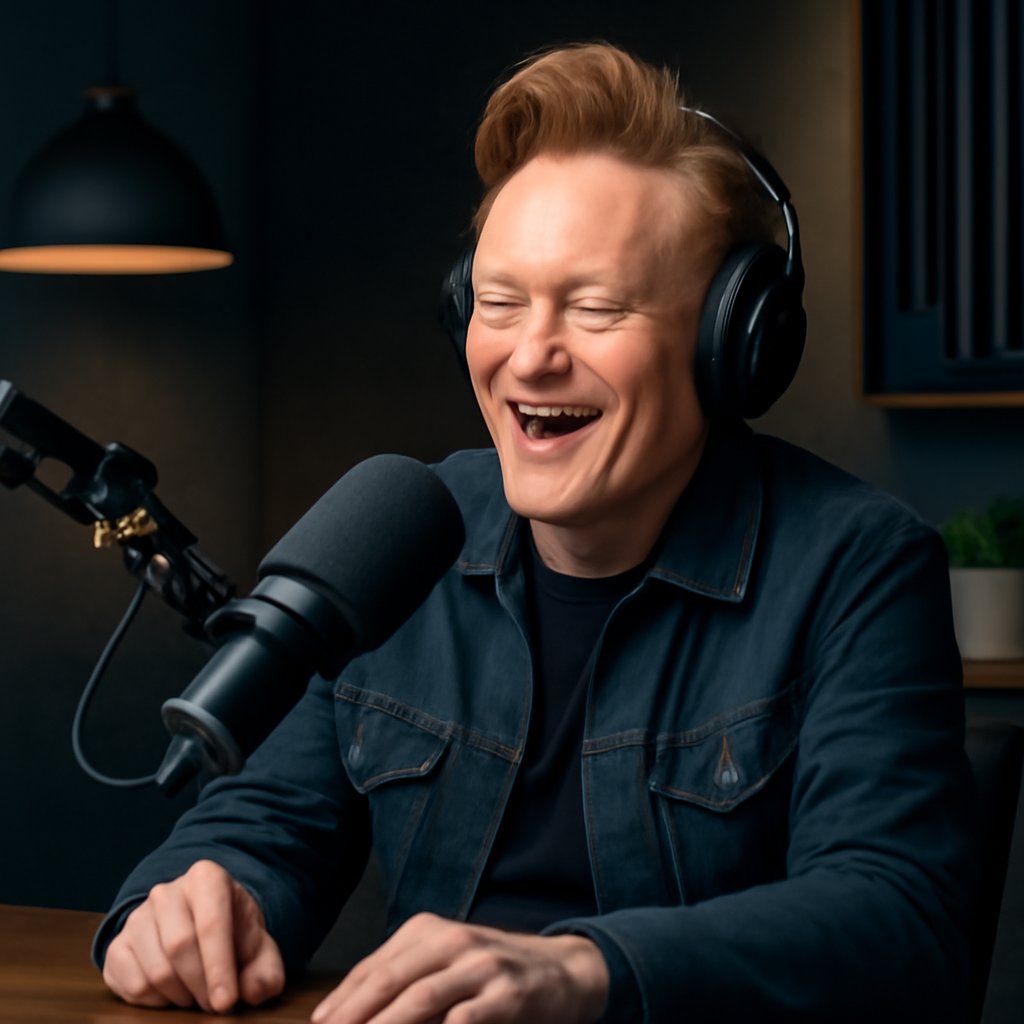
If you’re hunting for a podcast that nails both razor-sharp comedy and those raw, honest moments, Conan O’Brien Needs a Friend delivers in a way few interview shows manage. Conan O’Brien steers the ship with his signature late-night timing, pulling A-list guests into unscripted territory where the central hook—admitting he genuinely needs a friend—turns every session into a blend of quick banter, self-deprecating bits, and real vulnerability that keeps the energy alive week after week.
The show launched in 2018 on Team Coco’s podcast network before finding its home on iHeartRadio, where it quickly became one of the platform’s most-listened-to comedy programs. What makes this particular entry into the oversaturated interview podcast space stand out is Conan’s willingness to abandon the polished celebrity interview format entirely. Rather than cycling through rehearsed anecdotes about upcoming film projects or award show moments, Conan and his guests dig into the messier, more interesting parts of being a public figure—the failed auditions, the personal losses, the moments of genuine self-doubt that don’t make it into press junkets.
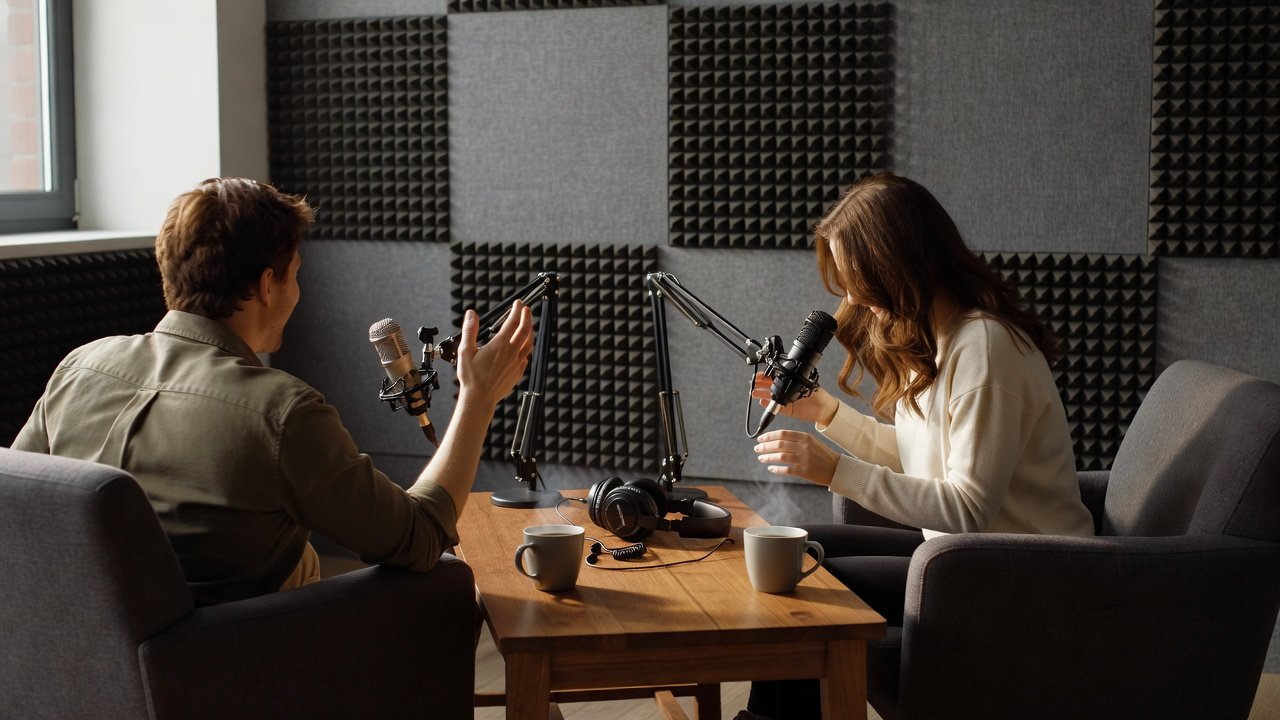
In the studio, this decision makes or breaks listener experience: ditching the usual career-highlight reel for deeper personal territory lets the conversations breathe without feeling staged. After producing hundreds of episodes, the technical reality is that unscripted flow like this demands tight mic placement and minimal room reverb so the laughs and pauses land naturally instead of getting lost in post. The production team’s attention to audio clarity means listeners can pick up on subtle reactions—a guest’s nervous laugh, a long pause before answering something vulnerable, the exact moment someone decides to open up—which amplifies the authenticity listeners crave in interview content.
The format avoids stiff back-and-forth by leaning into casual hangout energy—tangents, inside jokes, and plenty of roasting included. That approach translates directly to the mix, where a good DAW workflow can preserve the timing of those interruptions without over-editing the life out of them. Signature elements keep things moving: Conan’s opening monologue sets a playful tone right away, recurring bits with producer Matt Gourley and assistant Sona Movsesian layer in team chemistry that listeners pick up on instantly, and listener questions pulled from social media spark responses that feel spontaneous rather than prepped.
Guests range from Billie Eilish and Nicole Kidman to Sarah Silverman and Kevin Nealon, with episodes that move past surface promotion into real exchanges about family, career shifts, improv techniques, and the pressures of staying private. One standout thread involves an improv troupe deep-dive; another tackles spotlight privacy. The core trio’s back-and-forth serves as the perfect warm-up, Matt’s dry delivery cutting against Sona’s quick timing to create a trio that feels like actual friends navigating podcast production chaos together. That behind-the-scenes layer adds relatability you can’t fake with added sound design.
What separates this podcast from typical celebrity interview shows is how Conan leverages his decades of late-night hosting experience to navigate conversation in real-time. He knows when to lean into a joke, when to let silence do the heavy lifting, and crucially, when to pivot toward something that matters. His guests consistently comment on feeling heard in a way they don’t experience on traditional media circuits. Musicians talk about the creative process beyond hit singles. Actors discuss roles they regret turning down. Comedy writers share the rejection they faced before landing their big break. These conversations resonate because Conan asks follow-up questions that show genuine curiosity rather than checking boxes on a pre-approved list.
The podcast’s structure also benefits from Conan’s understanding of pacing. Each episode typically runs between 60 and 90 minutes, giving conversations room to develop naturally without feeling rushed. The opening segments with the core team establish tone and humor before the guest arrives, which means listeners are already warmed up and the guest drops into an environment that feels welcoming rather than formal. This structural choice, informed by Conan’s years in late-night television, creates a listening experience that feels less like an interview and more like eavesdropping on a genuinely funny conversation between friends.
After producing hundreds of episodes, the technical reality is that this kind of ongoing team dynamic shows up in the final audio as consistent levels and natural cross-talk that never feels forced. The production quality remains professional without ever sounding overly polished—a careful balance that enhances rather than distracts from the content. Background noise, occasional technical glitches, and the organic sounds of a live recording are preserved selectively, reinforcing the sense that listeners are hearing something real and immediate.
New listeners can jump in with episodes featuring guests they already follow, then work through the catalog as new installments drop regularly. The show maintains a consistent release schedule, typically dropping new episodes weekly, which builds anticipation and keeps the audience engaged. The iHeartRadio platform makes discovery easy, with recommended episodes tailored to listening history and search preferences. Subscribing keeps the feed clean, and the show’s balance of comedy, insight, and warmth holds up whether you’re commuting or settling in for focused listening.
The podcast has also become a launching pad for clips that perform exceptionally well on social media. Funny moments, surprising guest revelations, and Conan’s comedic timing translate perfectly to short-form video content, which drives new listeners back to the full episodes. This ecosystem—podcast episodes feeding clips that drive engagement and attract fresh audiences—represents how modern podcast success operates. The show’s distribution strategy ensures it reaches both dedicated podcast listeners and casual consumers who discover it through social platforms.
Beyond entertainment value, Conan O’Brien Needs a Friend succeeds because it captures something audiences increasingly crave: unfiltered conversations with interesting people. In an era of curated social media and carefully managed public personas, hearing guests be honest about failure, insecurity, and growth feels refreshing. Conan’s approach validates that vulnerability isn’t weakness—it’s actually more interesting, more human, and ultimately more connecting than any amount of polished self-promotion. That philosophy, executed consistently over hundreds of episodes with A-list guests willing to engage authentically, explains why the show has built such a devoted audience and why it continues to attract top-tier talent who want to participate in real conversations rather than promotional circuits.
Sources
- Podcast Index – Open podcast directory and API for discovering and analyzing podcast data
- Spotify Newsroom – Official Spotify news, research, and podcast industry insights
- Edison Research – Leading media and technology research firm specializing in podcast listening habits
- Conan O’Brien Official Website – Information about Conan’s shows and projects
- iHeartRadio – Why Conan O’Brien Needs a Friend Podcast Official Page