

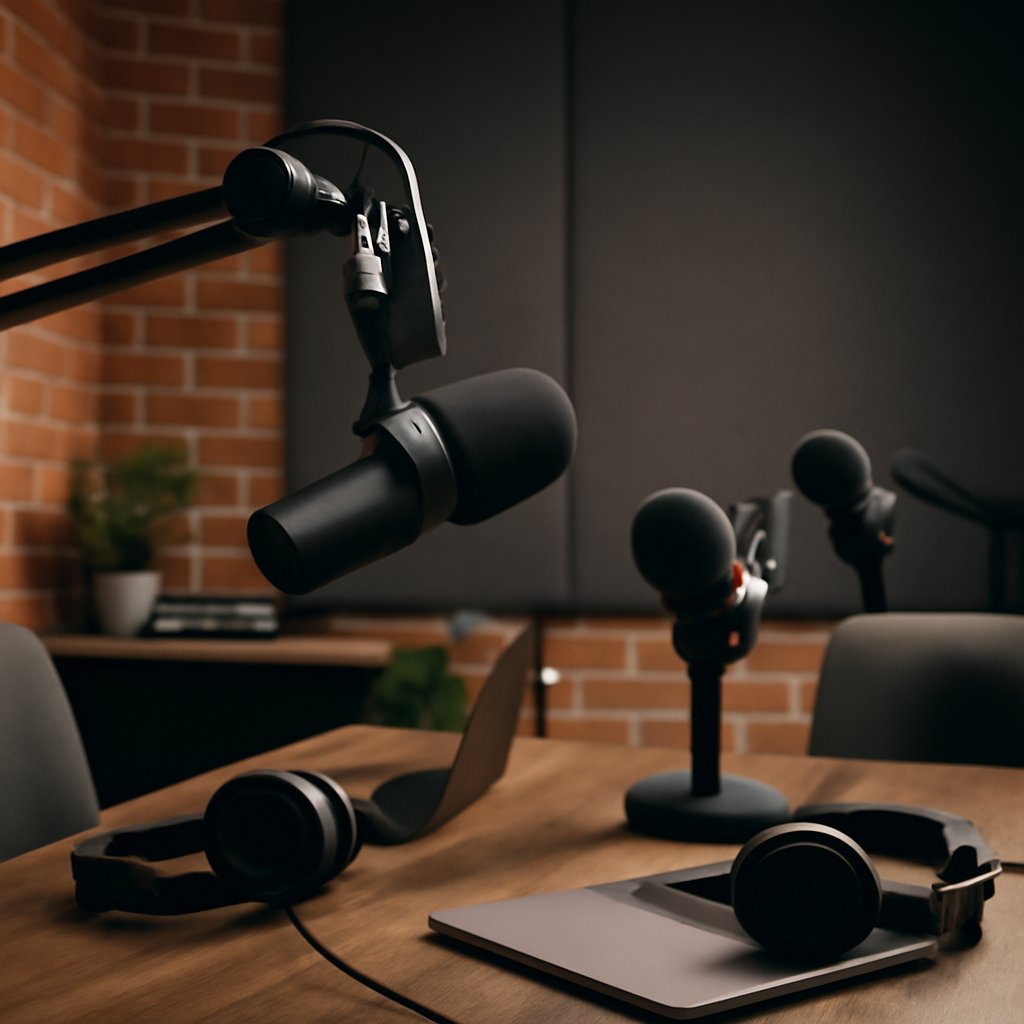
Diving into the production pipeline behind Stuff You Should Know shows how this long-running education podcast has locked in its signature blend of comedy, tight research, and conversational flow since launching in 2008. The show has stayed a top performer in both comedy and education charts by turning dense material into something that actually cuts through on the commute.
The origins trace back to HowStuffWorks.com, where Josh Clark and Chuck Bryant turned raw facts into dynamic exchanges. What started as shorter, more straightforward episodes grew into a format that folds in listener questions, current events, and live elements. From an engineering standpoint, that shift meant moving beyond basic two-mic voiceover setups to full multi-track sessions that capture overlapping laughs and reactions without phase issues or dropouts. After producing hundreds of episodes, the technical reality is that letting those natural overlaps breathe is what separates a polished show from one that feels flat in headphones.
Early on, the team worked with constrained resources and tested different approaches until the rhythm clicked. Viral episodes on everyday topics accelerated growth, which in turn justified upgrades in monitoring and editing chains. In the studio, this decision makes or breaks listener experience—switching to proper reference headphones like AKG K-701s during mixing reveals details in the laugh tracks and room tone that cheap earbuds hide.
Josh Clark’s journalism background feeds structured research that translates into clean, well-timed segments in the DAW, while Chuck Bryant’s off-the-cuff humor lands because the recording chain leaves enough headroom for genuine spontaneity. Their long friendship keeps the banter authentic; the mics just capture it without forcing a scripted feel. Producers handle the heavy lifting on fact-checking and comping takes, then move into sound design passes that layer subtle cues and music beds without stepping on dialogue clarity.
Recording sessions often stretch across multiple takes to preserve real reactions. Post-production then focuses on balancing information density with comedic timing—something that requires precise automation lanes and EQ decisions so the show doesn’t slide into the drier tone common in straight education podcasts. Researchers supply detailed outlines, but the hosts treat them as flexible guides inside Pro Tools or whatever workstation they’re on that week. That flexibility keeps factual integrity while letting wit cut through.
The research phase for each episode is where the foundation gets laid. The SYSK team typically spends 10 to 15 hours on background research for a single 45-minute episode, digging through academic papers, interviewing subject matter experts, and cross-referencing facts across multiple sources. This prep work rarely makes it into the final audio intact—instead, it gets distilled into talking points that feel conversational rather than encyclopedic. The hosts then improvise around those bullet points, which is why repeat listeners notice that no two discussions of the same topic ever sound identical. This approach requires producers who can follow complex material quickly during the edit, flagging moments where a detail needs fact-checking or a joke lands well enough to keep.
The technical setup for SYSK recording involves separate isolation booths for each host, allowing the engineering team to control levels independently during the session and maintain clean tracks for editing. This multi-track approach is essential when you have two personalities with different mic techniques and speaking volumes—Clark tends toward deliberate pacing while Bryant’s energy can spike without warning. The mixing process then involves careful gain riding and compression to maintain perceived intimacy even as the physical distance between hosts in the studio creates natural acoustic separation. This attention to making distant voices sound close is a trick many newer podcast producers overlook, but it’s crucial for maintaining the conversational warmth that keeps listeners coming back.
Guest appearances on SYSK episodes introduce additional complexity to the production workflow. When subject experts or personalities join the show, the team often records remotely via Zencastr or similar platforms to ensure audio quality stays consistent. Managing three or four audio feeds simultaneously—each with its own bandwidth and interface quirks—requires real-time monitoring and backup recording protocols. The edit team then has to sync all tracks, manage latency artifacts, and blend the guest’s voice so it doesn’t sound like they’re calling in from a tin can, even if the original file quality was marginal.
Music selection and sound design represent another layer where SYSK distinguishes itself from competitor shows. Rather than using generic podcast intro/outro beds, the show invests in original music production and licensed tracks that reinforce whatever topic is being covered that week. A 20-minute deep dive on the history of roller coasters might layer in subtle mechanical sounds or period-appropriate music beds that enhance the storytelling without becoming distracting. This level of sonic detail requires a sound designer on staff who understands both music theory and the show’s overall aesthetic, ensuring every added element serves the narrative.
The editing process itself is meticulous. A typical episode undergoes multiple passes: the first pass focuses on removing verbal stumbles, false starts, and long pauses that work fine in conversation but drag in audio. The second pass handles fact-checking against the research materials and flagging any claims that need softening or correction. A third pass is dedicated purely to comedy—listening for laugh beats that could land harder with a trim, removing competing jokes that dilute the punchline, or finding moments where a genuine reaction from one host got buried under the other’s response. Only after these content passes does the team move into the technical mixing phase, where proper gain staging, EQ, compression, and reverb are applied to glue the entire episode together.
Key production stats include more than 1,500 episodes since 2008 covering over 1,000 topics, millions of monthly downloads across Apple Podcasts and Spotify, and a consistent weekly cadence maintained for over a decade. Average runtime sits between 45 and 60 minutes, dialed for commuter listening. The show has expanded into live tours, books, and spin-offs, all supported by a lean iHeartMedia team. Listener retention stays high because the mix of depth and humor is engineered to reward both casual and repeat plays. It’s earned award nominations in education and comedy categories and reaches audiences worldwide, with translated highlights available in multiple countries.
The longevity of SYSK reveals something important about podcast sustainability: consistency in quality and schedule matters more than production complexity. While the show invests in proper equipment and skilled editors, it doesn’t rely on expensive celebrity guests or production gimmicks to maintain its audience. Instead, the show’s economics work because the core product—two knowledgeable, funny hosts having a genuine conversation about interesting topics—is scalable and durable. The team has refined workflows that allow them to maintain editorial standards while operating efficiently, a balance many aspirational podcasts struggle to achieve.
Live events add another dimension to the SYSK empire. Recording live shows for audio distribution introduces unpredictable acoustics, audience reactions that can’t be engineered in post, and timing challenges since a live audience won’t laugh on cue. The production team has developed protocols for capturing live recordings with redundant equipment and multiple microphone arrays to maximize flexibility in the edit. These live episodes often become fan favorites precisely because they capture the energy and spontaneity that studio recordings, by their nature, can only approximate.
The behind-the-scenes workflow explains why Stuff You Should Know keeps leading the pack among education and comedy shows. Rigorous prep, strong host rapport, and attention to audio detail continue to deliver value that pulls listeners back week after week. For podcast producers studying the model, the key takeaway isn’t that you need expensive gear or large teams—it’s that discipline in research, clarity about your show’s tone, and respect for your listener’s time create the foundation for sustainable growth. Everything else, from the mixing chain to the music beds, is just there to serve that core mission of making information entertaining and accessible.