

Starting a true crime podcast requires careful planning, ethical research, and engaging storytelling to captivate listeners who crave both suspense and insight. This guide to starting a true crime podcast walks aspiring creators through every essential step, from niche selection to audience growth, while drawing on the best practices seen in popular true crime shows that blend education, thoughtful analysis, and occasional comedic relief.

Identifying Your Niche in the True Crime Podcast Space
The true crime genre is crowded, so finding a unique angle is crucial when launching your show. Consider focusing on unsolved cold cases, wrongful convictions, or lesser-known international stories that pair well with educational deep dives. Many successful true crime podcasts also incorporate comedy by highlighting absurd details from old investigations, making heavy topics more approachable for listeners.
When selecting your niche, research existing shows to identify gaps in coverage. Some podcasters focus exclusively on cases from specific geographic regions, while others specialize in particular crime types such as financial fraud, historical murders, or crimes solved through emerging forensic technologies. By narrowing your focus, you make it easier for potential listeners to discover your show through targeted searches and recommendations.
Exploring Sub-Niches Like Comedy-Infused True Crime
Shows that mix dark humor with factual recounting often stand out. For example, reviewing infamous cases while noting ironic twists can attract fans of both true crime and comedy podcasts. This approach keeps episodes lively without diminishing respect for victims.
The comedy-true crime hybrid has proven particularly effective in building devoted audiences. Hosts who employ witty banter, sarcastic commentary on investigative bumbles, or humorous observations about outdated police procedures create an entertaining listening experience that doesn’t trivialize the serious subject matter. The key is ensuring humor serves the story rather than detracts from victim dignity. Successful shows in this space often acknowledge when they’re using humor as a coping mechanism and maintain clear boundaries around which aspects of cases warrant comedic treatment.
Blending Education with Episode Guides
Educational true crime podcasts succeed by providing context on legal systems, forensic science, and societal issues. Structure episodes with clear episode guides so listeners can follow along, turning your show into a valuable resource rather than pure entertainment.
Consider developing a format where you break down the legal processes involved in each case, explain forensic techniques that were used or could have been used, or explore how criminal justice has evolved since the crimes occurred. Many top-performing educational true crime shows include segments on topics like the history of DNA technology, wrongful conviction reform efforts, or how missing persons cases are prioritized by law enforcement. By positioning your podcast as an educational platform, you attract listeners who view the genre as a legitimate way to learn about justice systems and criminal investigation.
Researching Cases and Building Ethical Storytelling Practices
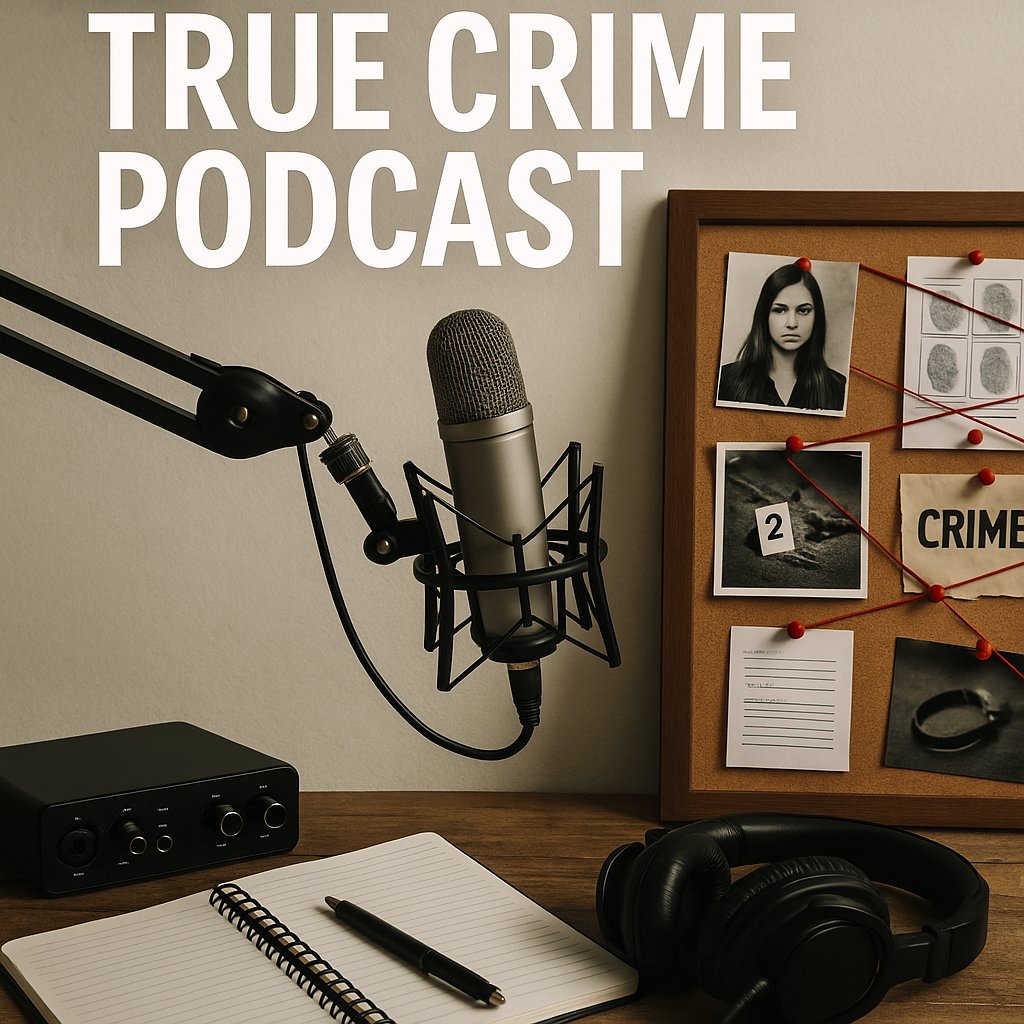
Accurate research forms the backbone of any reputable true crime podcast. Start with court documents, news archives, and interviews with experts or family members when possible. Always verify facts multiple times to avoid spreading misinformation that could harm ongoing investigations or survivors.
Develop a system for organizing notes, including timelines, suspect profiles, and key evidence. Many creators maintain private databases to cross-reference details across episodes. This preparation helps create compelling narratives that educate while respecting sensitive material.
Beyond basic fact-checking, consider creating a personal ethics checklist before launching. Will you name victims and give them dignity, or use pseudonyms? How will you handle cases involving living suspects? Will you interview family members, and if so, what consent processes will you follow? Establishing these guidelines early prevents ethical lapses that could damage your reputation and cause genuine harm to people affected by the crimes you’re covering.
Reach out to victim advocacy organizations, legal experts, and investigative journalists who can serve as resources and sounding boards for your research. Many are willing to provide guidance in exchange for shoutouts or proper attribution. This network also becomes invaluable if your coverage attracts attention from authorities or generates new leads in cold cases—you’ll have established relationships with credible contacts who can help navigate unexpected developments.
Recording, Editing, and Production Essentials
Quality audio is non-negotiable for retaining listeners. Invest in a reliable microphone, pop filter, and basic soundproofing to minimize background noise. Record in a quiet space and test levels before diving into full episodes.
Scripting Techniques for Engagement
Write scripts that balance information with dramatic pauses and natural conversation. If co-hosting, rehearse banter that adds light comedic moments without undermining serious content. Editing software like Audacity or Adobe Audition allows you to refine pacing, add subtle music beds, and create seamless transitions.
When scripting true crime content, vary your sentence length and structure to maintain listener engagement. Long, complex sentences work well when building tension or explaining intricate details, while short sentences create impact and break up dense information. Read your scripts aloud before recording to identify awkward phrasing and ensure your words flow naturally when spoken. Many successful hosts record multiple takes of important passages to choose the version with the best emotional delivery.
Sound design plays a crucial but often overlooked role in true crime podcasts. Subtle background music, carefully chosen sound effects, and strategic silence can amplify tension and guide listener emotions. However, avoid over-producing your content—many listeners prefer hosts who sound conversational and authentic rather than overly polished. The goal is professional quality without sacrificing the intimate, personal connection that makes podcasts such an effective medium.
Distribution Platforms and SEO Optimization
Upload episodes to major platforms including Spotify, Apple Podcasts, and Google Podcasts. Optimize titles, descriptions, and show notes with keywords such as “true crime podcast episode guide” and case names to improve discoverability. Consistent release schedules build audience loyalty.
When crafting episode titles and descriptions, include relevant keywords naturally without keyword stuffing. An episode about the Jon Benet Ramsey case should mention her name and key details, but also consider what potential listeners might search for, such as “unsolved child murders” or “famous cold cases.” Write compelling descriptions that hook listeners in the first two sentences, as many platforms truncate longer summaries.
Beyond the major platforms, consider submitting your podcast to niche directories focused on true crime content. These specialized platforms often have engaged audiences actively seeking shows in your genre. Additionally, create detailed show notes for each episode that include timestamps, key facts, sources, and links to resources. This practice improves SEO, provides value to listeners, and demonstrates your commitment to transparency and accuracy.
Building an email list through your podcast website allows you to maintain direct communication with your audience independent of platform algorithms. Use your email list to announce new episodes, share bonus content, ask for feedback, and foster community. Many successful podcasters find that their most engaged listeners are those who’ve opted into email communications.
Key Facts and Statistics
- True crime podcasts account for over 20% of all podcast downloads in the United States, with the genre growing 15% year-over-year.
- The average true crime listener spends 45 minutes per episode, highlighting the need for well-paced storytelling.
- Shows that include educational segments see 30% higher retention rates compared to purely narrative formats.
- Comedy elements in true crime content can increase social media shares by up to 40%, boosting organic growth.
- More than 60% of new true crime podcasters cite thorough legal research as their top challenge during launch.
- Female audiences comprise approximately 70% of true crime podcast listeners, though the male listener base is growing steadily.
- Podcasts with consistent weekly
Sources
- Podcast Index – Open podcast directory and API for discovering and distributing podcasts
- Spotify Newsroom – Official news and insights about Spotify’s podcast platform and industry trends
- Edison Research – Leading media and marketing research firm specializing in podcast listener data
- PodcastOne – Podcast network and production company offering resources for podcast creators
- Podtrac – Podcast measurement and analytics platform for tracking audience growth