

Starting a true crime podcast requires careful planning, ethical research, and engaging storytelling to captivate listeners who crave both suspense and insight. This guide to starting a true crime podcast walks aspiring creators through every essential step, from niche selection to audience growth, while drawing on the best practices seen in popular true crime shows that blend education, thoughtful analysis, and occasional comedic relief.

Identifying Your Niche in the True Crime Podcast Space
The true crime genre is crowded, so finding a unique angle is crucial when launching your show. Consider focusing on unsolved cold cases, wrongful convictions, or lesser-known international stories that pair well with educational deep dives. Many successful true crime podcasts also incorporate comedy by highlighting absurd details from old investigations, making heavy topics more approachable for listeners.
When selecting your niche, research existing podcasts to understand what gaps remain in the market. Some creators focus exclusively on cases from specific geographic regions, allowing them to build partnerships with local law enforcement and community members. Others specialize in particular crime types—cybercrime, financial fraud, or historical mysteries—creating a focused listening experience that attracts passionate audiences. The key is choosing something that genuinely interests you, as your authentic enthusiasm will shine through in your storytelling and keep you motivated during the initial phases when growth is slow.
Exploring Sub-Niches Like Comedy-Infused True Crime
Shows that mix dark humor with factual recounting often stand out. For example, reviewing infamous cases while noting ironic twists can attract fans of both true crime and comedy podcasts. This approach keeps episodes lively without diminishing respect for victims.
The comedy-true crime hybrid format has proven particularly effective at reaching younger audiences and increasing social media engagement. However, success in this space requires a delicate balance. Hosts must demonstrate genuine knowledge and respect for the victims and their families while creating an entertaining listening experience. Many top comedy-true crime shows employ a co-host format where hosts play off each other’s energy, creating natural banter that feels spontaneous even though it’s carefully scripted. This dynamic can increase listener loyalty because audiences feel like they’re joining friends for a conversation rather than passively consuming information.
Blending Education with Episode Guides
Educational true crime podcasts succeed by providing context on legal systems, forensic science, and societal issues. Structure episodes with clear episode guides so listeners can follow along, turning your show into a valuable resource rather than pure entertainment.
Consider creating supplementary materials such as downloadable case timelines, suspect relationship charts, or glossaries of forensic terminology. Many successful educational true crime podcasts publish detailed show notes on their websites, which also serves an important SEO function. These resources transform casual listeners into dedicated followers who return for both the audio content and the comprehensive reference materials. Additionally, educational content positioning your show as a learning resource can attract sponsorships from educational platforms, true crime book publishers, and legal services that specifically want to reach knowledge-seeking audiences.
Researching Cases and Building Ethical Storytelling Practices
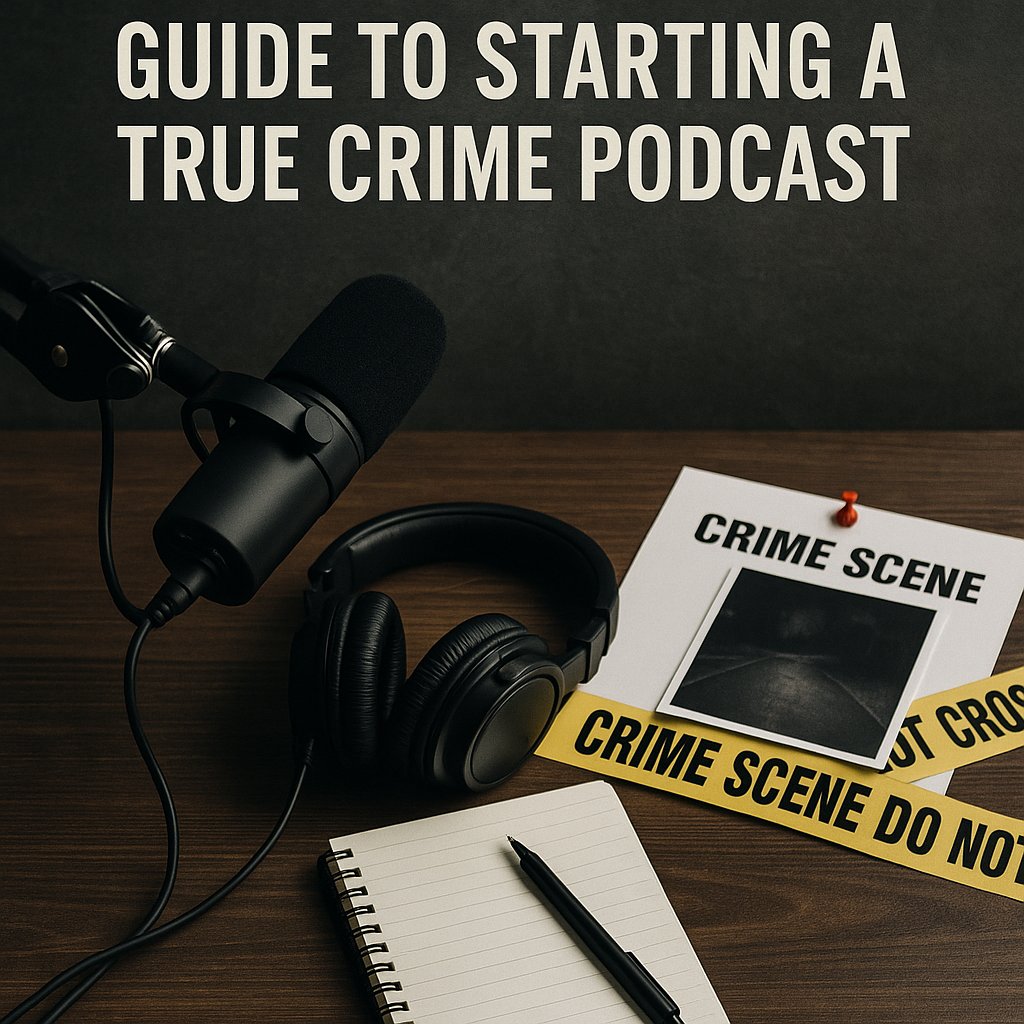
Accurate research forms the backbone of any reputable true crime podcast. Start with court documents, news archives, and interviews with experts or family members when possible. Always verify facts multiple times to avoid spreading misinformation that could harm ongoing investigations or survivors.
Develop a system for organizing notes, including timelines, suspect profiles, and key evidence. Many creators maintain private databases to cross-reference details across episodes. This preparation helps create compelling narratives that educate while respecting sensitive material.
Beyond accuracy, ethical storytelling requires thoughtful consideration of how you portray victims, perpetrators, and affected communities. Many established true crime podcasters consult sensitivity readers or subject matter experts before publishing episodes that touch on trauma, mental illness, or systemic injustice. This practice not only improves your content but also demonstrates respect for your audience and the people featured in your stories. Some podcasters have faced significant backlash for sensationalizing cases or displaying insensitivity toward victims’ families, making ethical considerations a critical business protection as well as a moral imperative.
Consider reaching out to organizations that support crime victims or families of the missing. These partnerships can provide valuable insights, help ensure your storytelling aligns with the wishes of affected parties, and create opportunities for meaningful audience engagement through charitable initiatives. Many successful true crime podcasts donate portions of sponsorship revenue to victim advocacy organizations, creating a positive community impact while building goodwill with listeners.
Recording, Editing, and Production Essentials
Quality audio is non-negotiable for retaining listeners. Invest in a reliable microphone, pop filter, and basic soundproofing to minimize background noise. Record in a quiet space and test levels before diving into full episodes.
Your initial equipment investment doesn’t need to be substantial. A quality USB microphone in the $100-300 range, such as the Audio-Technica AT2020USB or Blue Yeti, provides professional-grade sound for beginners. Pair this with acoustic foam panels or even DIY solutions like blankets hung on walls to reduce echo and ambient noise. Many successful podcasters record in closets, bathrooms, or spare bedrooms—any small, enclosed space that minimizes sound reflections. The critical factor is consistency; as long as your audio quality remains steady across episodes, listeners will adapt to your setup.
Scripting Techniques for Engagement
Write scripts that balance information with dramatic pauses and natural conversation. If co-hosting, rehearse banter that adds light comedic moments without undermining serious content. Editing software like Audacity or Adobe Audition allows you to refine pacing, add subtle music beds, and create seamless transitions.
Effective scripts for true crime podcasts typically follow a narrative arc that hooks listeners immediately, provides context and evidence throughout the middle section, and concludes with reflection or calls to action. Many successful hosts write conversational scripts rather than word-for-word manuscripts, allowing for natural inflection and genuine emotional responses during recording. This approach requires more takes and editing but produces audio that feels authentic rather than robotic. Additionally, consider how you’ll introduce evidence—reading actual court transcripts, police reports, or victim statements requires a different vocal tone than your narrative explanation, helping listeners mentally categorize different types of information.
Distribution Platforms and SEO Optimization
Upload episodes to major platforms including Spotify, Apple Podcasts, and Google Podcasts. Optimize titles, descriptions, and show notes with keywords such as “true crime podcast episode guide” and case names to improve discoverability. Consistent release schedules build audience loyalty.
Beyond the major platforms, consider submitting your podcast to specialty directories focused on true crime content. Platforms like Podchaser and Listen Notes allow listeners to discover shows by genre and interest, and these directories often rank high in Google search results. Your podcast’s metadata—including episode titles, descriptions, artwork, and keywords—directly impacts searchability. For example, an episode about the Zodiac Killer should include “Zodiac Killer,” “unsolved murders,” “California cold cases,” and similar terms in its title and description to maximize discoverability when people search for these topics.
Social media strategy matters significantly for true crime podcasts. Instagram, TikTok, and YouTube allow you to share case details, create engaging clips from your episodes, and build community. Short-form video content performs particularly well on platforms like TikTok, where true crime content consistently trends. Many podcasters create 30-60 second clips highlighting the most dramatic or surprising moments from longer episodes, driving traffic back to full podcast episodes. This multi-platform approach requires additional content creation work but generates exponential audience growth compared to relying solely on podcast platforms.
Key Facts and Statistics
- True crime podcasts account for over 20% of all podcast downloads in the United States, with the genre