
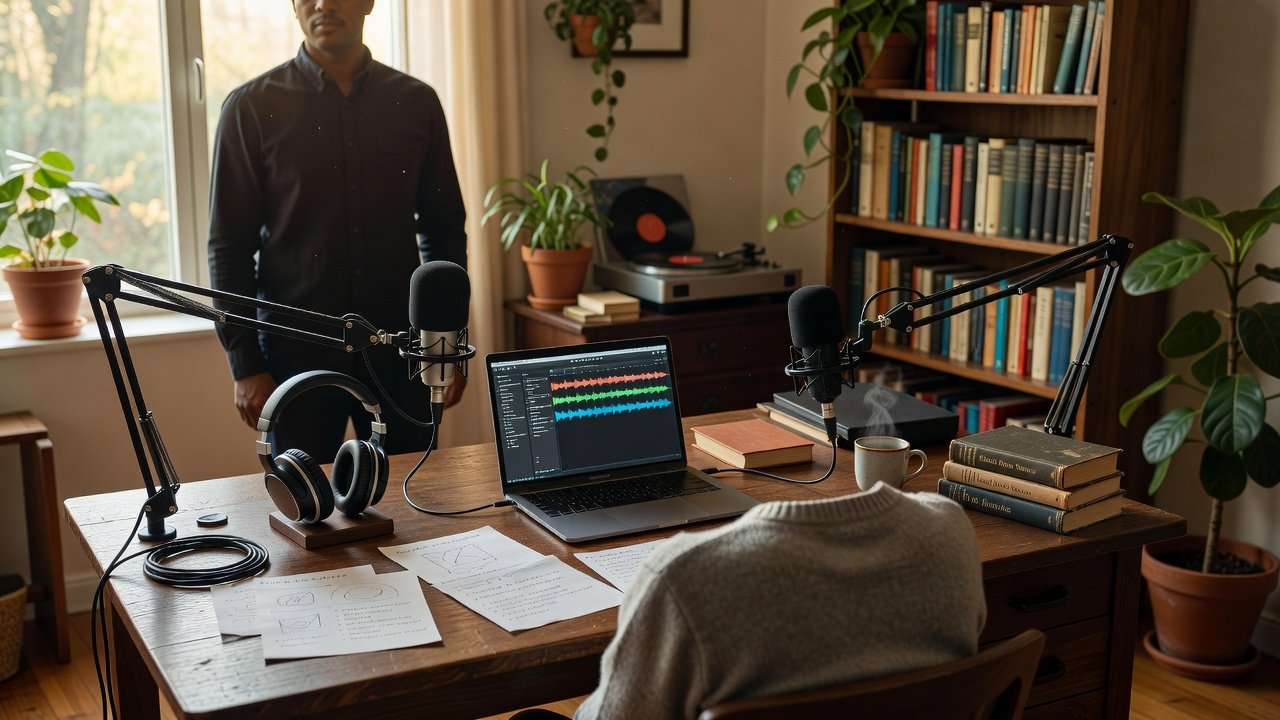
The rise of narrative podcasts has transformed the audio landscape, turning episodic storytelling into a dominant force across true crime, comedy, and education genres. These immersive audio experiences blend journalism, drama, and investigative reporting to captivate millions of listeners worldwide, moving far beyond simple interview formats into carefully crafted stories that unfold like novels or documentaries.

The Origins and Early Evolution of Narrative Podcasts
Narrative podcasts emerged from public radio traditions but gained independence through platforms like iTunes in the mid-2000s. Shows such as This American Life laid the groundwork by focusing on character-driven stories rather than straight news. This shift encouraged creators to experiment with sound design, cliffhangers, and serialized arcs that kept audiences returning week after week.
From Radio Roots to Digital Serialization
Early adopters realized that narrative structure allowed deeper exploration of complex topics. True crime cases, personal memoirs, and scientific mysteries became fertile ground. The format’s flexibility meant producers could layer ambient audio, interviews, and reenactments, creating an intimate listening experience that felt both cinematic and personal. This foundation proved essential when broadband speeds improved and mobile listening exploded.
The transition from traditional radio to podcasting fundamentally altered how stories could be told. Radio broadcasters were constrained by time slots and commercial breaks, but podcasters could craft episodes of any length necessary to serve the narrative. A complex investigation might require a 90-minute deep dive, while a comedic story arc could stretch across a full season. This freedom from traditional broadcast constraints enabled creators to prioritize storytelling quality over scheduling convenience, leading to more ambitious and experimental narrative structures.
The 2010s Boom Fueled by True Crime and Serialized Storytelling
The release of Serial in 2014 marked a watershed moment for narrative podcasts. Its investigative approach to a single murder case demonstrated how long-form audio could sustain suspense across multiple episodes. Listeners binge-consumed the show, sharing theories on social media and propelling the genre into mainstream consciousness. Soon, networks and independent creators raced to develop similar projects.
True crime narrative podcasts such as S-Town and Criminal built on this momentum by emphasizing emotional depth alongside factual reporting. Comedy creators also embraced the style, producing scripted series that mixed humor with overarching plots. Educational narrative podcasts like Radiolab and 99% Invisible wove science and design concepts into compelling stories that educated without feeling like lectures.
The success of Serial proved that audiences had an insatiable appetite for narrative podcasts that treated them like interactive mysteries. Listeners would pause episodes to research case details, contact investigators, and participate in crowdsourced investigations. This active engagement transformed passive listening into a communal experience, with Reddit threads, Facebook groups, and Twitter conversations becoming virtual town halls where theories were debated and evidence was analyzed. The model demonstrated that podcasts could generate cultural moments comparable to major television events.
Genre Cross-Pollination and Listener Engagement
Comedy narrative podcasts often borrow techniques from true crime, using cliffhangers and unreliable narrators for laughs. Education-focused shows integrate comedy segments to maintain attention during dense material. This cross-pollination has led to richer episode guides and review communities that dissect plot twists, sound design choices, and factual accuracy. Fans now expect high production values and thorough research regardless of the primary genre.
The blending of genres has created unique listening experiences that appeal to broader audiences. A comedy narrative podcast might explore the absurdity of historical events through humorous character interpretations, while an educational show could use comedic timing to make difficult scientific concepts accessible. This hybridization has proven commercially successful, as shows that skillfully balance entertainment with substance consistently earn spots on streaming platform recommendation lists and generate strong word-of-mouth growth.
Narrative Podcasts Expand into Comedy and Education Niches
Comedy narrative podcasts have carved out dedicated audiences by blending stand-up timing with scripted arcs. Series that parody true crime tropes or create fictional worlds demonstrate the format’s versatility. Meanwhile, education narrative podcasts deliver deep dives into history, psychology, and technology through character studies and real-world case examples. Reviewers frequently praise how these shows turn potentially dry subjects into addictive listening.
The educational narrative podcast category has experienced particularly rapid expansion as educators and content creators recognize the medium’s potential for knowledge transfer. University professors, museum curators, and subject matter experts have launched narrative podcast series that rival traditional documentary films in production quality and storytelling depth. These shows often attract listeners who might never engage with traditional educational content, broadening access to expertise and specialized knowledge across socioeconomic and geographic boundaries.
Production Innovations and Audience Metrics
Advanced editing software and affordable recording equipment lowered barriers for new voices. Creators now produce episode guides complete with transcripts, source links, and discussion questions. This extra content boosts SEO visibility and encourages longer listener sessions. The result is a thriving ecosystem where narrative podcasts dominate download charts and earn critical acclaim at festivals.
Modern narrative podcast creators leverage sophisticated production techniques once reserved for film and television. Spatial audio, immersive sound design, and multi-track recording enable producers to create three-dimensional listening experiences. Tools like Audacity, Adobe Audition, and Logic Pro have become democratized through affordable subscription models and free alternatives, allowing independent creators to achieve broadcast-quality production standards. Voice acting, original music composition, and sound effect libraries have transformed podcasting into a technical craft requiring specialized skills alongside creative storytelling ability.
Data analytics have become increasingly important for narrative podcast creators seeking to understand listener behavior. Platforms provide detailed metrics on completion rates, listener retention curves, and engagement patterns. Creators use this data to optimize episode length, pacing, and release schedules. Many successful narrative podcasts employ weekly release strategies that encourage habitual listening, while others opt for season-based drops that generate surge demand and allow binge-consumption patterns. These production decisions are informed by accumulated data across the industry about what maximizes both listener satisfaction and discoverability.
Key Facts and Statistics
- Serial’s first season reached over 300 million downloads, sparking a 300% increase in narrative podcast launches between 2014 and 2016.
- True crime narrative podcasts consistently occupy 40% of top-charted shows, with comedy and education categories each claiming roughly 15-20% of listener hours.
- Global podcast listeners surpassed 500 million in 2023, with narrative formats driving the majority of growth in ad revenue for the medium.
- Average completion rates for serialized narrative episodes exceed 70%, compared to 45% for traditional interview-style podcasts.
- Education narrative podcasts have seen a 150% rise in reviews mentioning improved retention of complex topics after listening.
- Comedy narrative series often generate twice the social media engagement of standalone comedy episodes due to ongoing storylines.
- The average listener of narrative podcasts spends approximately 7-8 hours per week engaged with the medium, significantly higher than the general podcast audience average of 4-5 hours.
- Approximately 65% of narrative podcast listeners subscribe to multiple series simultaneously, demonstrating strong audience loyalty and platform switching behavior.
The Future Landscape of Narrative Podcasting
As streaming platforms and networks continue investing in narrative podcast production, the quality bar continues to rise. Major entertainment companies have launched dedicated podcast divisions, signaling that audio storytelling represents a significant growth opportunity. Investment in narrative podcasts is expected to increase substantially, with funding flowing toward both established networks and emerging independent creators who demonstrate strong listener engagement metrics.
Interactive narrative podcasts represent an emerging frontier, with some creators experimenting with