
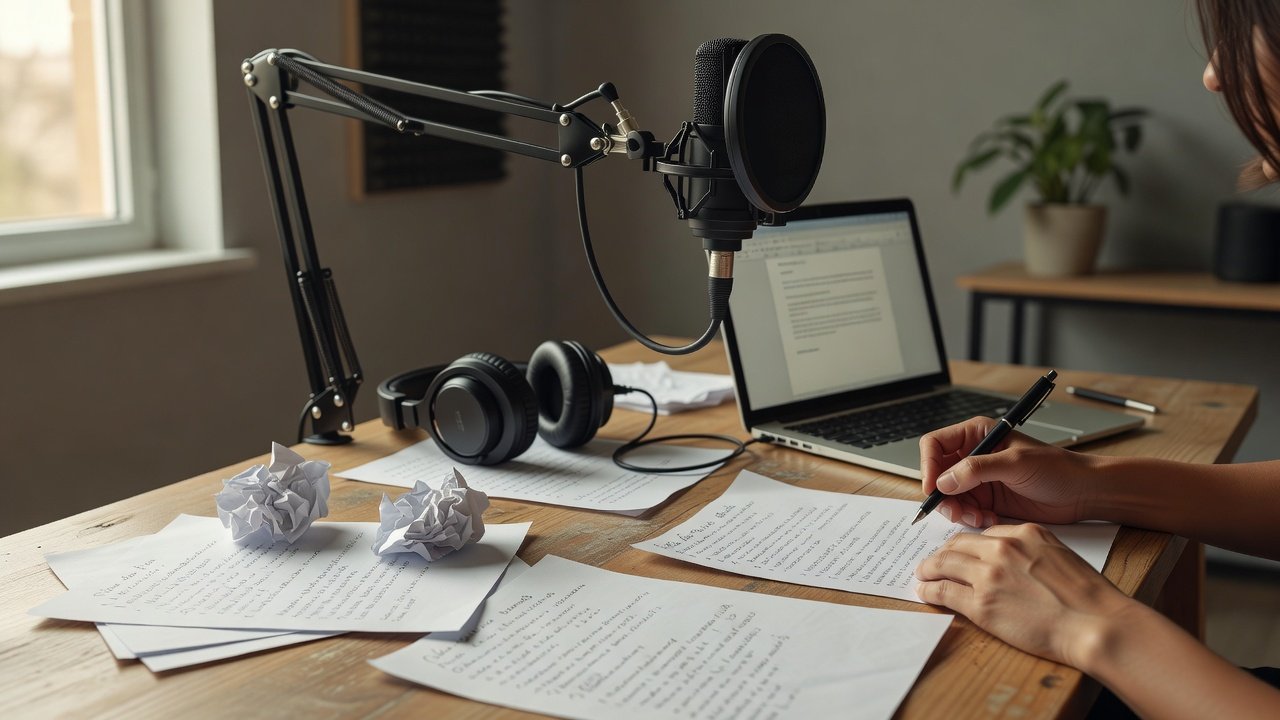
Mastering how to write scripts for comedy podcasts is essential for creators aiming to deliver consistent laughs, sharp timing, and memorable episodes that stand out in a crowded market. Whether you’re blending humor with true crime stories or creating standalone comedy shows, a well-crafted script provides the backbone for engaging content that resonates with audiences seeking both entertainment and education.

The Foundations of Comedy Podcast Scripting
Understanding the foundations of how to write scripts for comedy podcasts begins with recognizing the unique demands of audio storytelling. Unlike visual media, comedy podcasts rely entirely on voice, timing, and sound design to land jokes. Successful shows often start by identifying the core comedic voice—whether it’s observational humor, character-driven sketches, or satirical takes on current events. Creators should research popular comedy podcasts and episode guides to analyze what works, such as the rapid-fire banter in shows like “My Brother, My Brother and Me” or the narrative twists in comedy-infused true crime formats.
Next, outline your episode’s goals early. A strong script incorporates educational elements subtly, turning a comedy podcast into an informative listen without losing momentum. For instance, weave facts into punchlines when covering topics like historical mishaps or pop culture analysis. This approach appeals to listeners who enjoy both laughs and learning, much like hybrid comedy and education podcasts. Practice reading your script aloud to refine pacing, ensuring jokes build naturally and transitions feel seamless.
Developing Your Unique Comedic Style
Developing a signature style requires experimenting with different formats. Some hosts prefer loose outlines for improvisation, while others write full dialogue for precision. Incorporate recurring bits or characters to build listener loyalty, drawing from episode guides of hit series. Always test material on a small audience first to gauge reactions before recording.
Structuring Episodes for Maximum Laughs
Effective structuring elevates how to write scripts for comedy podcasts by creating a clear narrative arc that hooks listeners from the cold open. Begin with a strong teaser or hook that sets the tone, followed by segments that alternate between high-energy jokes and reflective moments. This rhythm prevents fatigue and mirrors successful comedy podcast formats where hosts introduce topics, build tension through storytelling, and resolve with punchy callbacks.
Break your script into acts: an introduction that welcomes the audience and teases upcoming bits, a main body featuring skits or discussions, and a conclusion with calls to action like subscribing or reviewing. When blending comedy with true crime elements, structure around key plot points but inject humor at strategic intervals to lighten heavy material. Use sound cues or music stings in the script to signal transitions, enhancing production value. Review other episode guides for inspiration on timing—aim for episodes between 30 and 60 minutes to maintain engagement.
Writing Dialogue and Jokes That Land
Dialogue should feel natural yet exaggerated for comedic effect. Write multiple joke variations and select the strongest. Incorporate callbacks to earlier segments for satisfying payoffs. For education-focused comedy, embed facts within humorous analogies to make learning enjoyable.
Advanced Techniques and Refinement
Advanced techniques in how to write scripts for comedy podcasts include layering subtext and callbacks across episodes for long-term storytelling. Collaborate with co-hosts during the writing phase to ensure voices align, and incorporate listener feedback from previous episodes to refine future scripts. Editing is crucial—trim unnecessary lines while preserving spontaneity. Tools like script software can help organize beats, while recording test runs reveals timing issues invisible on paper. Always prioritize authenticity; forced humor falls flat, so draw from personal experiences to create relatable content that bridges comedy, true crime intrigue, and educational insights.
Finally, iterate based on analytics. Track which scripted segments perform best in downloads and shares, then double down on those elements. This data-driven approach ensures your comedy podcast scripts evolve with audience preferences.
Key Facts and Statistics
- Over 70% of top-rated comedy podcasts use detailed scripts or outlines to maintain consistent quality across episodes.
- Comedy podcasts that incorporate educational segments see a 25% higher listener retention rate compared to pure improv shows.
- Scripts with strong narrative arcs in comedy and true crime hybrids average 15% more shares on social platforms.
- Listeners spend an average of 42 minutes on well-structured comedy podcast episodes versus 28 minutes on unstructured ones.
- More than 60% of successful podcast creators revise their scripts at least three times before recording.
Conclusion
Ultimately, learning how to write scripts for comedy podcasts empowers creators to produce polished, repeatable content that builds dedicated audiences. By focusing on structure, style, and refinement while drawing from diverse influences like true crime and education podcasts, your show can achieve both humor and depth. Start scripting today, experiment boldly, and watch your comedy podcast thrive through thoughtful preparation and creative execution.
Sources
- Podcast Index — Open database and API for podcast discovery and analytics
- Spotify Newsroom — Official updates on podcast strategy and creator resources
- Edison Research — Podcast industry research and listener insights
- Pew Research Center — Data-driven studies on podcast consumption trends
- Podchaser — Podcast hosting platform with creator resources and audience engagement tools