
n
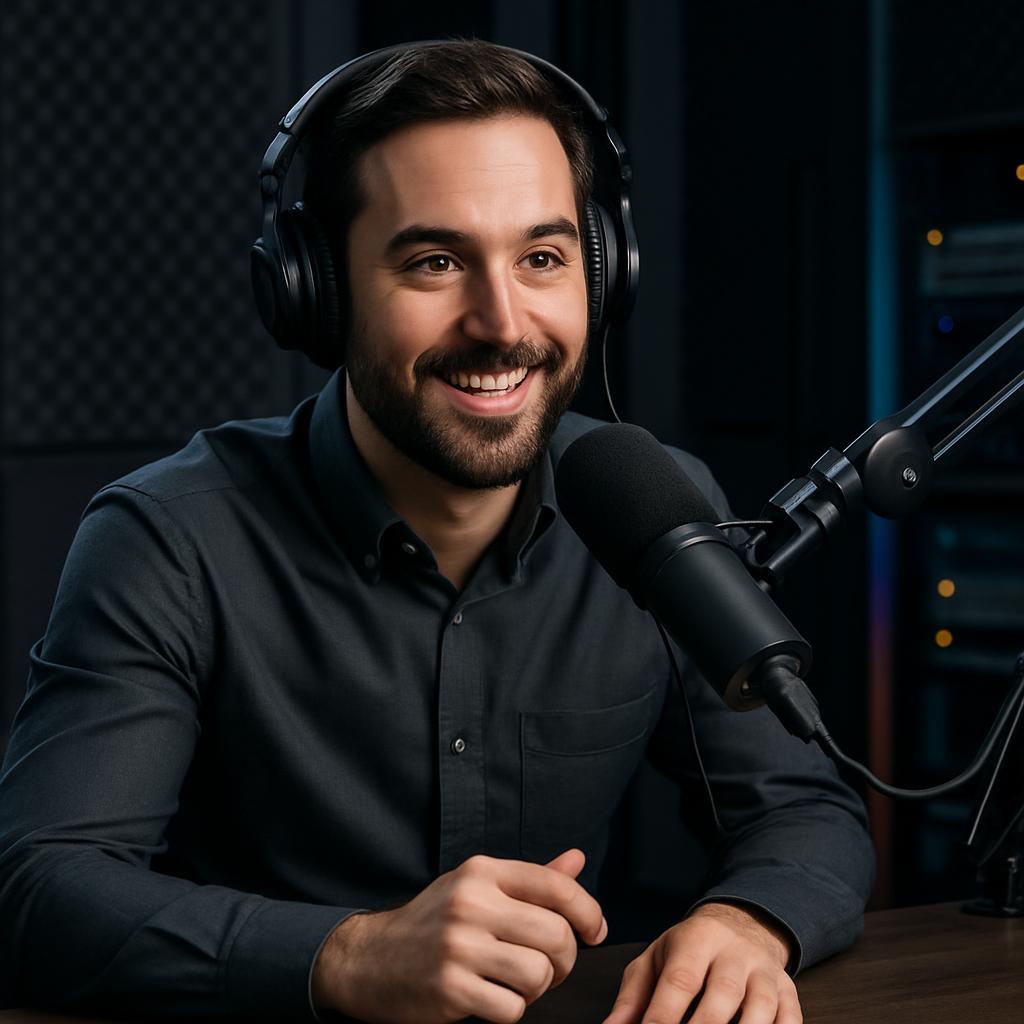
If you want quick entertainment that fits between commutes or chores, comedy podcasts stand out for their mix of sharp writing and spontaneous moments. Listeners keep coming back because the format rewards consistency and personality over big production budgets.
n
n
What Makes Comedy Podcasts Work
n
Comedy podcasts thrive on timing and chemistry. Hosts who know each other well can riff for twenty minutes on a single absurd premise and still land the joke. That same looseness lets guests drop stories they would never tell on a scripted show. Data from Edison Research shows comedy remains one of the top three genres people stream weekly, especially among listeners aged 25 to 44.
n
Formats that keep attention
n
- n
- Interview shows where comedians swap road stories and crowd-work disasters.
- Roundtable panels that record live reactions to current events.
- Solo hosts who treat the mic like a diary entry with punchlines.
n
n
n
n
Comedy Podcasts Worth Adding to Your Queue
n
Start with shows that already have strong word-of-mouth. Edison Research tracks which titles maintain steady download numbers across multiple quarters, and those numbers usually line up with listener reviews on Apple Podcasts and Spotify. Look for episodes that run 45 to 70 minutes so you can finish one during a single drive or workout.
n
Another reliable signal comes from Apple Podcasts charts, where comedy titles often trade places with true-crime and news programs. Check the “Top Charts” section in your app and sort by genre to see which new releases are climbing fastest.
n
Matching shows to your taste
n
- n
- Prefer dry British humor? Search for panel shows that import guests from UK television.
- Like character-driven storytelling? Try scripted comedy series that release one season at a time.
- Want background noise while working? Pick hosts who keep energy high without constant yelling.
n
n
n
n
How Aspiring Creators Can Use Comedy Podcasts as a Blueprint
n
Many successful comedy podcasts began with two hosts recording on a single laptop. The key step is releasing episodes on a fixed schedule so listeners know when to expect new material. Spotify for Podcasters offers free hosting tools that also track listener drop-off points, which helps you tighten weak segments in future episodes.
n
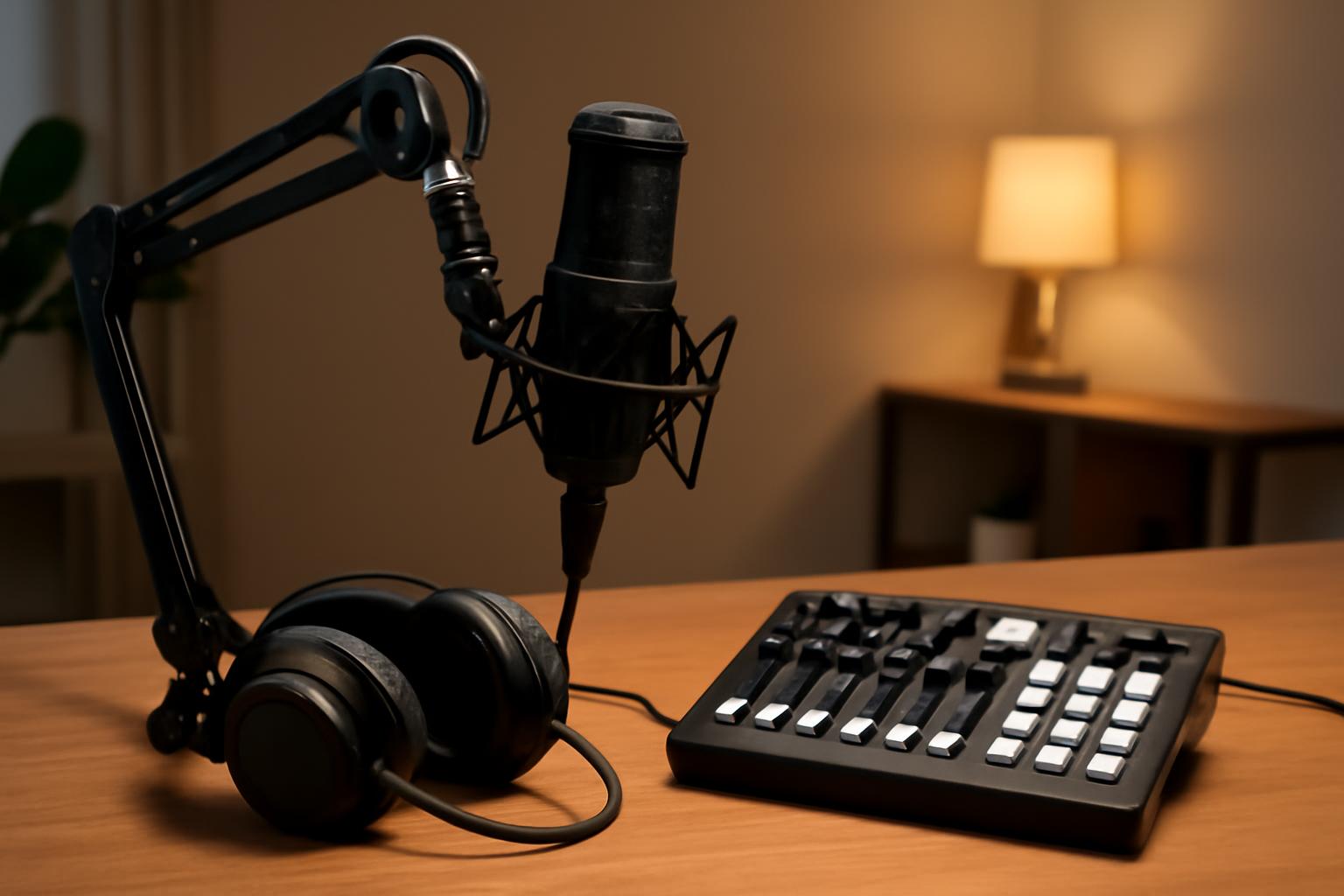
Focus on audio clarity first. A decent USB microphone and basic noise reduction in free software will beat expensive gear used poorly. Test your first five episodes privately with friends who will tell you when a bit runs long. Once you have a backlog, pitch yourself to smaller shows in the same lane for cross-promotion.
n
Common pitfalls to avoid
n
- n
- Recording hour-long episodes before you have an audience.
- Skipping show notes that list topics and guest names.
- Ignoring listener emails that suggest future episode ideas.
n
n
n
n
Comedy podcasts reward repetition and iteration. Hosts who treat every episode like a live set learn faster than those who over-edit. Track which jokes get clipped and shared on social clips, then double down on that style without forcing it.
n
Experiment with segment lengths. Some listeners prefer short 20-minute bursts while others want deep dives. Offer both by releasing a main episode and a shorter companion segment each week. This approach grows your catalog quickly and gives new listeners easy entry points.
n
Finally, study the cadence of conversation rather than the punchlines themselves. The best comedy podcasts let awkward pauses breathe and then pivot. That instinct comes from practice, not from reading transcripts. Record consistently, listen back critically, and adjust based on what actually makes you laugh on the second listen.
\n\n
\n
Sources
\n
- \n
- Podcast Index – Open podcast directory and search engine
- Spotify Newsroom – Official news and insights about podcasting
- Edison Research – Podcast and audio audience research
- Edison Research Podcasting Studies – Annual podcast consumption reports
\n
\n
\n
\n
\n
The Role of Guest Chemistry in Comedy Success
One overlooked element of comedy podcasts is how guest selection shapes the entire episode. Hosts who book repeat visitors develop shorthand that listeners can feel immediately. Inside jokes land harder when audiences recognize both participants. The best comedy shows treat their guest list like a roster of characters, rotating familiar faces alongside fresh talent. When you notice a podcast keeps inviting the same three comedians back, that usually signals strong chemistry worth tuning into.
Guest-driven shows also serve as discovery engines for comedy fans. Following a comedian across multiple podcast appearances reveals their range and preferred comedic lane. Some performers shine in chaotic roundtable settings while others dominate one-on-one interviews. Building a listening habit around specific guest appearances trains your ear for comedians who match your taste, which saves time scrolling through endless options on streaming platforms.
Monetization and Sustainability for Comedy Podcasters
Growing a comedy podcast to profitability requires understanding listener behavior beyond download counts. Shows that maintain consistent audiences often supplement ad revenue with Patreon supporters or live tour ticket sales. The advantage comedy has over other genres is that fans will travel to see hosts perform live, creating a revenue stream that pure audio cannot provide. Many successful comedy podcasters release a free weekly episode alongside a premium bonus feed for paid subscribers.
Sponsorship deals come easier when your show targets a narrow, engaged audience rather than chasing maximum downloads. Brands prefer podcasts where hosts genuinely use products they endorse. A comedy show with 5,000 loyal listeners who laugh at the host’s authentic sponsor read will outperform a show with 50,000 disengaged downloads. Start small with local sponsors or services you actually use, then scale partnerships as your audience grows. This approach builds trust with listeners while creating sustainable income that lets you invest in better equipment and more frequent episodes.