
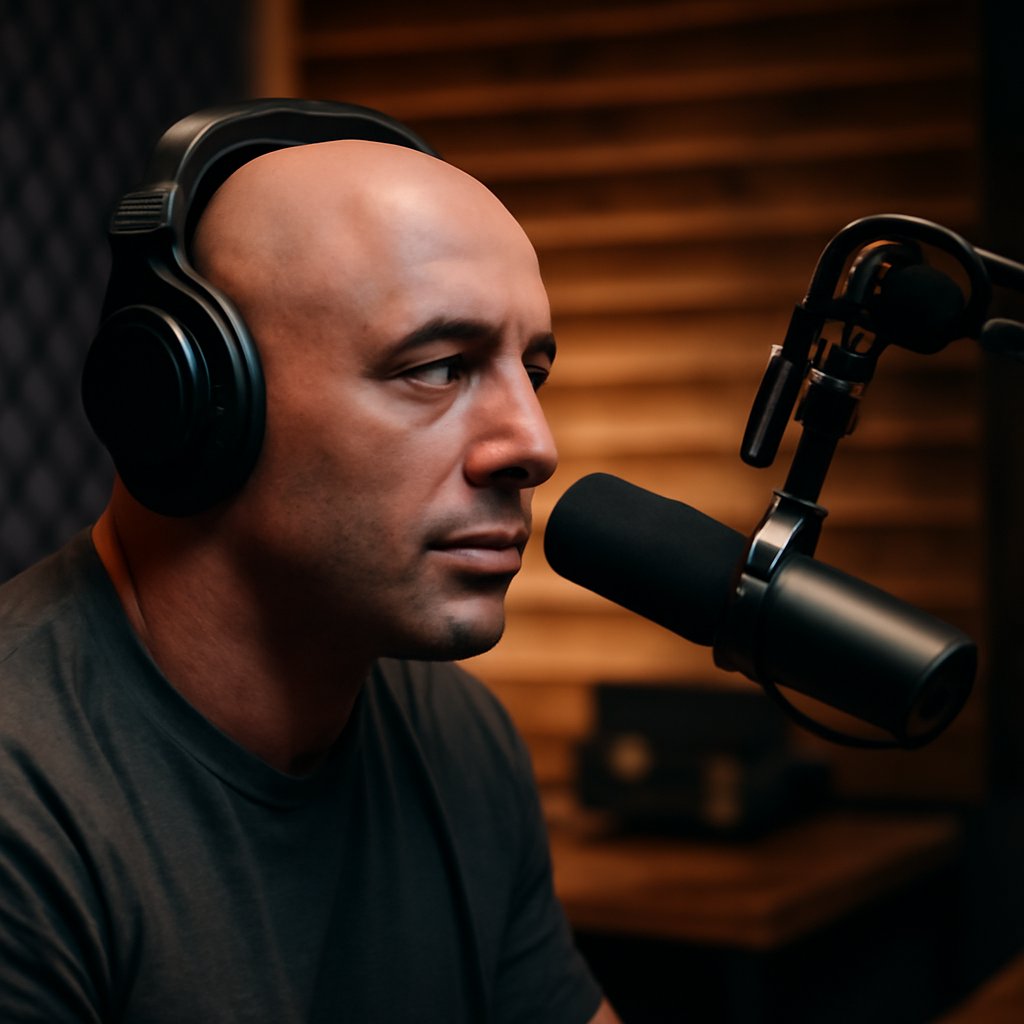
When I think about what it takes to turn casual chats into a media empire, Joe Rogan’s path with The Joe Rogan Experience hits home. As a podcaster who has navigated the media landscape as a woman of color, I’ve seen how authentic long-form conversations can cut through the noise and build loyal communities across cultures. Since its 2009 launch, the show has grown from late-night comedy and UFC-adjacent talks into a global force mixing stand-up, deep dives on science and history, true crime breakdowns, and unscripted interviews that pull in millions of listeners.
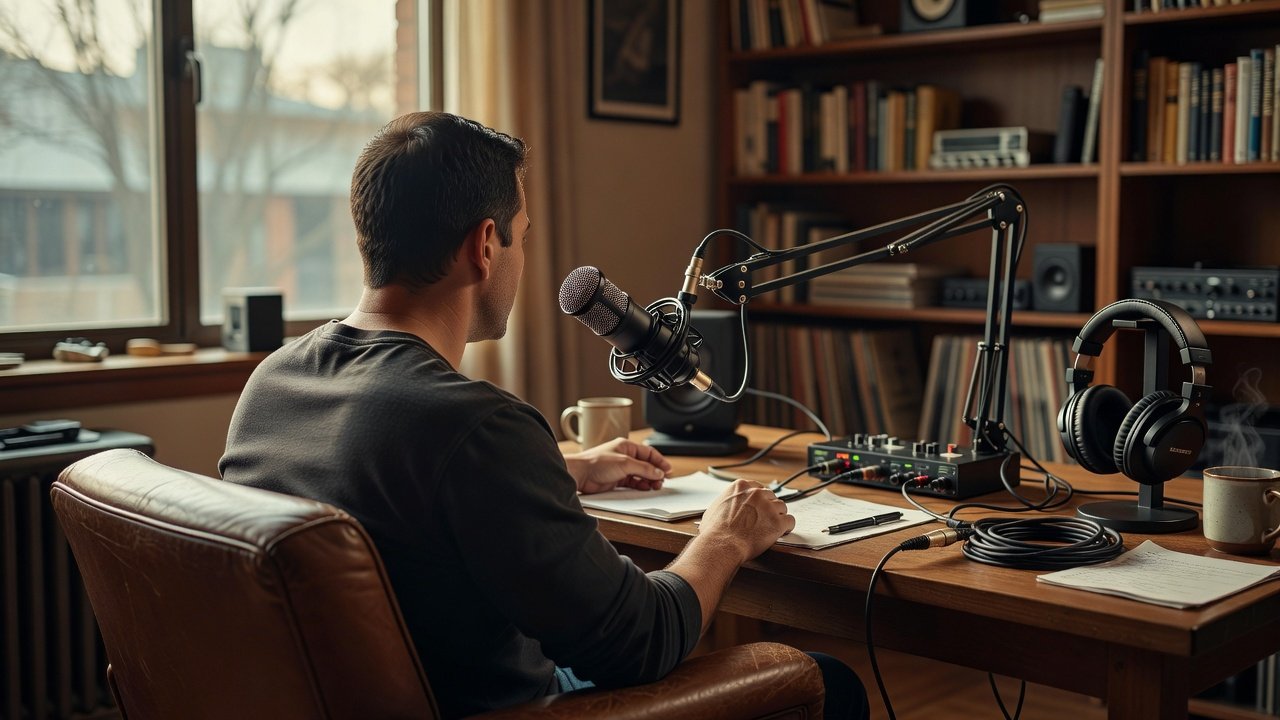
Building an audience from scratch taught me that consistency and openness matter more than polished production early on. Rogan started JRE as an informal space for friends in comedy and martial arts, letting episodes run without rigid clocks. That raw style—humor laced into serious topics like psychedelics, conspiracies, biology, and criminal cases—helped it stand out from scripted, bite-sized content and attract a broad, diverse crowd. The early episodes were recorded in Rogan’s home studio with minimal equipment, a setup that proved both humble and relatable to listeners tired of overly produced media that felt distant and corporate.
The foundation of JRE’s success rested on Rogan’s unique position straddling multiple entertainment worlds. His background as a stand-up comedian, UFC commentator, and television host gave him natural credibility across audiences and a genuine curiosity about people from vastly different fields. This insider access meant he could interview fellow comedians with insider jokes, chat with MMA fighters about technique and mindset, and engage scientists and scholars with intelligent follow-up questions. That multidimensional approach became the show’s signature and made it feel less like an interview program and more like sitting in on conversations between people who actually had interesting things to discuss.
The business side accelerated around 2015 with high-profile guests like Elon Musk and Neil deGrasse Tyson, which expanded reach and drove massive download spikes. The Elon Musk episodes, in particular, became cultural touchstones—clips circulated across YouTube, Twitter, and other social platforms, introducing the full-length podcast to millions who might never have clicked on a three-hour audio file otherwise. By 2019, the exclusive Spotify deal shifted distribution, upgraded production, and turned the show into a playlist-friendly powerhouse for comedy, education, and investigative themes. That reported deal valued at over $100 million represented a watershed moment for podcasting as a medium, signaling to the entertainment industry that long-form audio could command premium investment and advertising value.
In the independent media game, that kind of move shows how strategic partnerships can scale without losing the core voice, even while juggling free-speech debates and guests from every political and scientific corner. The Spotify partnership came with its own complexities—increased resources for production meant better audio quality, video integration, and expanded reach, but also higher expectations and more scrutiny. Rogan navigated criticism around controversial guests and discussions with the same openness that built his audience in the first place, neither completely capitulating to detractors nor dismissing valid concerns. This balance kept the show’s ethos intact while allowing it to grow professionally.
One strength that resonates with me is the seamless genre blending within single episodes. Comedians spill industry secrets, experts break down quantum mechanics or ancient history in plain language, and true crime pros dissect cases with forensic detail. A single episode might start with stand-up material, pivot to a deep conversation about neuroscience, and end with speculation about historical mysteries—all held together by genuine curiosity and natural conversation flow. Recurring threads on consciousness, fitness, and society have created natural archives that keep listeners coming back. Someone interested in comedy can binge episodes with comedians, while a listener fascinated by biology can find hours of detailed conversations with researchers and doctors. Marketing-wise, this versatility keeps the show relevant in a sea of niche podcasts and encourages word-of-mouth sharing across cultural lines.
The guest roster itself represents an interesting cross-section of American and global culture. Over the years, JRE has hosted everyone from presidential candidates and senators to independent researchers and fringe thinkers, creating a forum where conventional wisdom meets unconventional perspectives. This willingness to platform diverse viewpoints—sometimes controversial ones—has generated both devoted fans who appreciate the open-forum approach and critics who question editorial responsibility. Yet the show’s longevity suggests audiences value the transparency; listeners know what they’re getting: unfiltered conversations without a corporate news agenda.
Rogan’s interviewing style also deserves attention as a technical skill that sets the show apart. Rather than rapid-fire questions, he often lets guests expand on answers, asks genuine follow-ups, and isn’t afraid of silence or admitting when he doesn’t know something. This conversational pacing feels refreshingly different from typical media interviews designed for soundbites. Listeners consistently mention this as a reason they return—the show feels like a real exchange rather than a performance.
The numbers tell the story of sustained growth: over 2,100 episodes since 2009, average lengths topping two hours, billions of Spotify streams post-deal, individual hits like the Musk and Jordan Peterson episodes cracking 10 million downloads quickly, consistent top-chart placement in comedy, education, and society categories, and more than 1,500 unique guests spanning comedians, scientists, athletes, and justice experts. These metrics represent not just popularity but cultural penetration—the show has become a reference point in discussions about media, free speech, and how podcasts function as a primary information source for millions of people.
What’s particularly striking is the show’s demographic reach. While podcasting skews toward educated, urban, relatively affluent audiences, JRE’s audience spans age groups, political affiliations, educational backgrounds, and geographies in ways that challenge typical media segmentation. This broad appeal reflects Rogan’s own appeal—he’s neither exclusively left nor right, neither purely intellectual nor purely entertainment-focused, and his genuine interests span domains that don’t fit neatly into partisan or demographic boxes.
At the end of the day, the Joe Rogan journey proves that prioritizing curiosity and real talk over perfection can reshape how audiences consume audio. For creators focused on audience building and the economics of independent media, it remains a masterclass in letting diverse voices drive the conversation forward. The show demonstrates that there’s massive appetite for unedited, long-form discussion in an attention economy dominated by short clips and algorithmic feeds. As the podcast industry continues evolving, with more platforms investing in exclusive content and more creators attempting to replicate JRE’s model, Rogan’s foundational approach—just talk to interesting people and let the conversation go where it naturally leads—remains remarkably difficult to copy, precisely because it can’t be manufactured or rushed.