
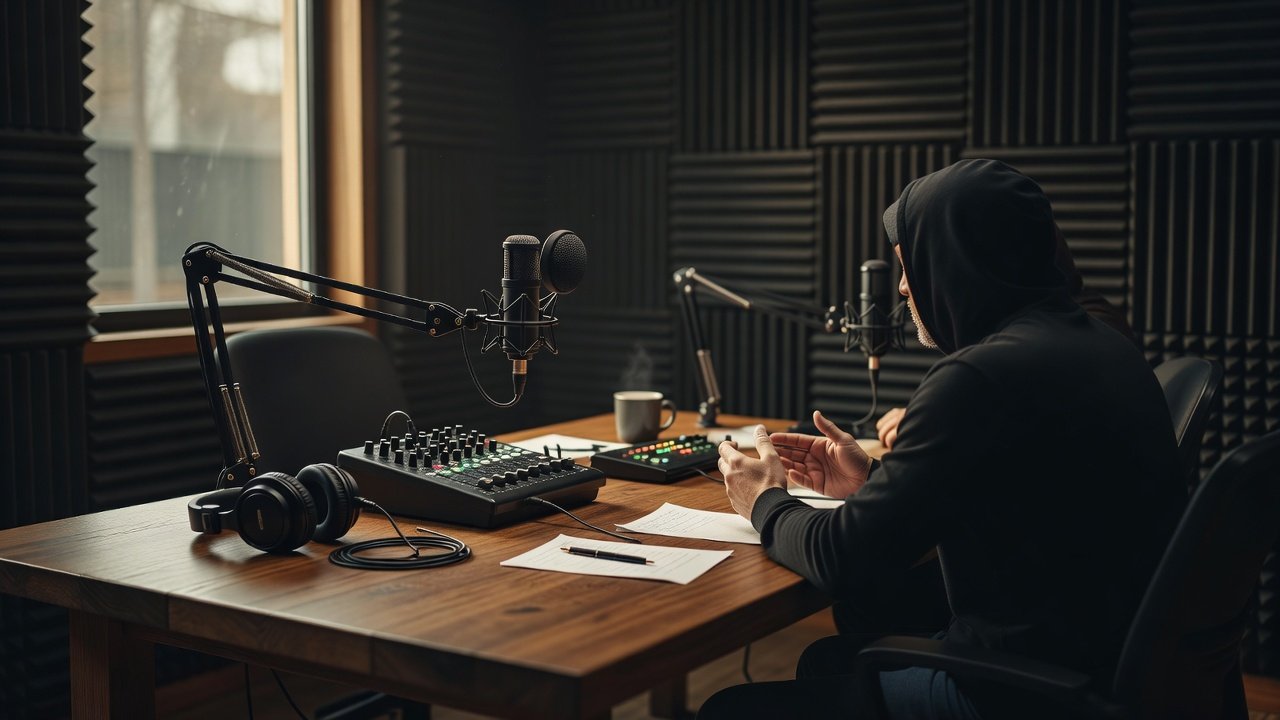
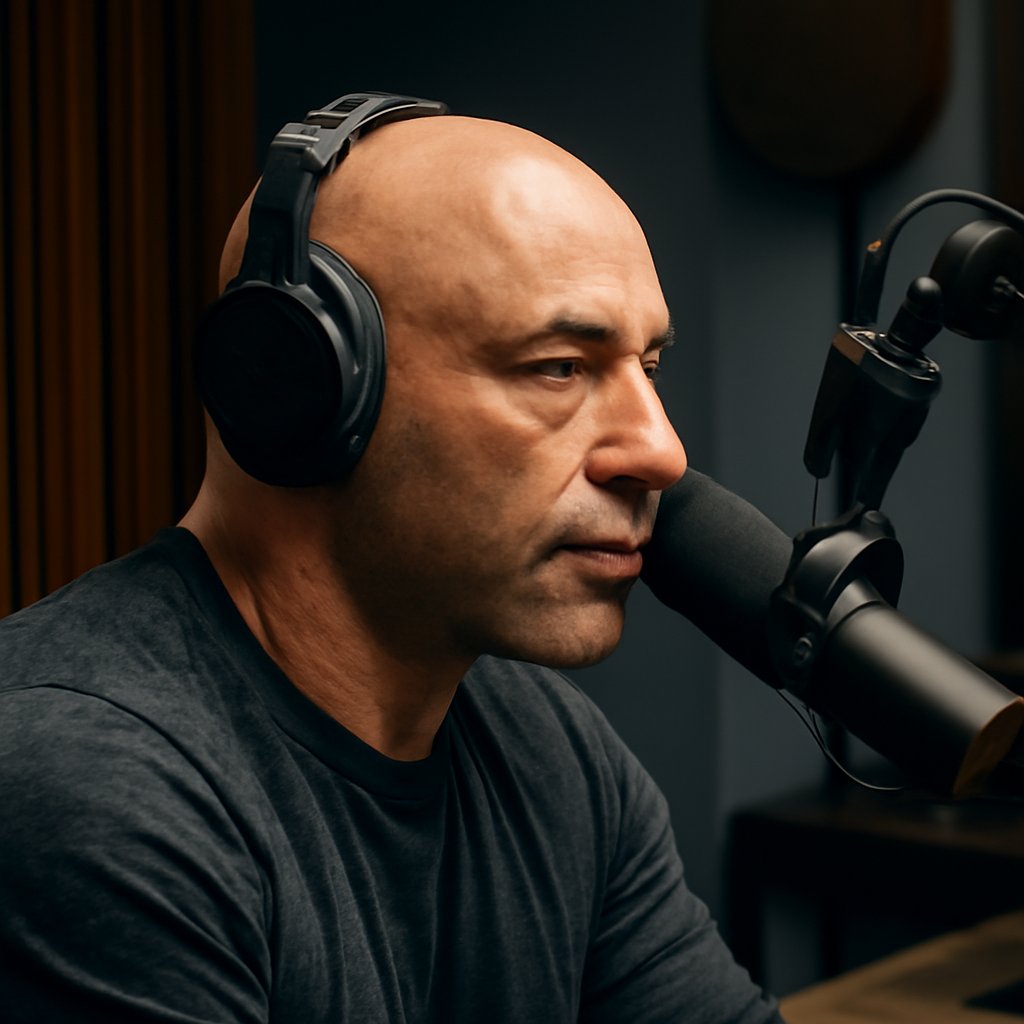
The Profile of Joe Rogan Podcast Journey shows how a former stand-up comedian and UFC commentator turned loose, extended conversations into one of the most listened-to audio programs in modern media. Launched in 2009, the show moved from late-night chats into a long-running platform that mixes comedy, science explainers, true crime breakdowns, and open interviews reaching millions of listeners.
From a production standpoint, those early episodes captured the raw sound of a basic two-mic setup—likely a couple of dynamic mics run straight into an interface with minimal processing. After producing hundreds of episodes myself, the technical reality is that this unfiltered approach defined the show’s character, but it also meant dealing with room tone, plosives, and level jumps that later required serious cleanup in the DAW.
Rogan started the podcast while already known from Fear Factor and UFC work. The Joe Rogan Experience began as an informal space for talking with comedy and martial-arts friends. Early recordings leaned on open-ended takes without hard time limits, which let discussions run wherever they went. In the studio, this decision makes or breaks listener experience—long files demand careful gain staging and noise-floor management so the conversation stays intelligible even at two-plus hours.
As downloads grew, Rogan’s comedy timing helped keep heavier topics from dragging. Listeners followed along through episodes covering psychedelics, conspiracies, biology, physics, and cold cases. The multi-topic format set it apart from tightly scripted, shorter shows. From an engineering angle, switching between comedy bits and dense explanatory segments means constant attention to EQ and compression so the energy never drops when the topic shifts.
The show’s early growth was organic, driven largely by word-of-mouth in comedy circles and martial arts communities. Before the explosive mainstream breakthrough, episodes were distributed through Apple Podcasts, YouTube, and Rogan’s own website. This grassroots approach built a loyal core audience that genuinely connected with the format’s authenticity. Unlike polished morning-show radio or heavily produced narrative podcasts, listeners valued hearing unfiltered conversations with minimal editing. The lack of corporate interference allowed guests to speak freely, which became increasingly rare in mainstream media. That transparency resonated deeply, especially as social media algorithms began fragmenting where people consumed content.
Around 2015 the numbers jumped with guests like Elon Musk and Neil deGrasse Tyson. Those appearances brought new ears and pushed download counts higher. The Elon episode, in particular, generated millions of views and shares, introducing the format to audiences who might not have discovered it otherwise. High-profile scientist and entrepreneur appearances lent credibility to the platform while maintaining the conversational tone. These weren’t lectures or interviews with hard cuts—they were genuine long-form discussions where complex ideas could be explored without rushing toward commercial breaks.
By 2019 the exclusive Spotify deal changed both distribution and production quality. That move gave the team access to better post-production resources—cleaner masters, consistent loudness targets, and polished episode guides that could be organized into thematic playlists without sacrificing the original live feel. The reported deal valued at over $100 million represented a watershed moment for podcast economics, signaling that long-form audio content could command major investment from streaming platforms competing for listener attention.
The Spotify transition also meant technical standardization. Episodes moved from variable bitrates and inconsistent loudness levels to certified loudness specifications meeting broadcast standards. The production team upgraded monitoring environments, improved guest microphone setups, and implemented professional metadata tagging. Remote recording technology improved significantly, allowing higher-quality audio from guests calling in from various locations. Investing in software like Riverside.fm and Zencastr meant that guests joining via video call could provide their own local audio files, eliminating compression artifacts from internet codecs.
Controversies came and went, yet the commitment to long, unscripted takes stayed consistent. Comedy fans return for recurring stand-up segments, true-crime listeners get detailed case breakdowns, and educational episodes deliver extended interviews with researchers. Handling all those tonal shifts in a single two-hour-plus file requires solid mic technique and post-session editing that preserves the natural flow while removing only the real distractions.
One of the show’s strengths is how it folds comedy, education, and true crime into the same conversation. Rogan’s tangents with comedians reveal industry mechanics, while experts break down quantum mechanics or historical events in plain language. True-crime episodes often include forensic guests walking through evidence. From a workflow perspective, those rapid pivots test your ability to maintain consistent vocal presence across the entire recording chain.
The guest roster reflects this diversity deliberately. Musicians, politicians, athletes, scientists, authors, activists, and conspiracy theorists have all appeared. This eclecticism creates natural friction and debate, which listeners find compelling. Rather than curating a monolithic viewpoint, the show presents multiple perspectives on contentious topics, letting audiences form their own conclusions. For producers managing that range of voices and opinions, it means preparing robust file organization systems and developing thick enough skin to handle the inevitable criticism from various camps.
Production workflow at scale requires serious discipline. Each episode needs pre-production research, guest coordination across time zones, technical soundchecks, real-time monitoring during recording, and comprehensive post-production. Guests arrive with varying audio setups—some in professional studios, others on laptops in home offices. The engineering challenge involves balancing these disparate sources into a coherent stereo mix without audible level jumps or quality drops when cutting between segments.
The numbers tell the scale: more than 2,100 episodes since 2009, average runtime past two hours, billions of Spotify streams after the 2019 deal, multiple episodes topping ten million downloads, and over 1,500 unique guests across comedy, science, sports, and criminal-justice fields. Managing file sizes, archive organization, and loudness compliance at that volume is its own full-time engineering job. Storage requirements alone demand redundant backup systems and cloud infrastructure for both working files and archived masters.
Beyond pure numbers, The Joe Rogan Experience influenced broader podcast culture. It demonstrated that audiences would sustain interest in long-form content without commercial interruption, leading other creators to extend their own episode lengths. It proved that sponsorship could work through host-read reads rather than pre-roll and mid-roll advertising, establishing a model many successful independent podcasts now follow. Networks observed that unscripted, authentic formats often outperformed heavily produced content, shifting investment toward conversational shows.
The Joe Rogan Podcast Journey ultimately proves that authentic, extended dialogue can hold an audience when the audio chain supports it. From the earliest raw recordings to today’s higher-spec masters, the show’s evolution highlights how production decisions—mic choice, session length, post-workflow—shape what listeners actually hear. For podcast producers evaluating their own technical stacks and content strategies, the lesson remains clear: invest in consistent audio quality, trust your format, and let genuine conversation speak for itself.