
Diving into comedy podcasting feels like stepping onto a stage where your voice can cut through the noise and connect with listeners hungry for laughs mixed with real talk. As a podcaster who has navigated the media landscape as a woman of color, I’ve seen how a sharp concept can open doors in independent media that traditional gatekeepers still overlook. Building an audience from scratch taught me that success starts with picking a niche that feels true to you while tapping into bigger trends like true crime recaps or education podcasts told through absurd analogies.
Before you hit record, map out your angle—whether that’s observational riffs, celebrity chats, improvised bits, or satirical pop-culture breakdowns. Research what’s already out there so you can spot the gaps; maybe the market is missing a witty comedy podcast that breaks down true crime episodes or explains dense topics with humor. List ten to fifteen episode ideas, bounce them off friends or online communities, and check listener feedback on Apple Podcasts and Spotify. The strongest shows feel authentic yet repeatable, which keeps people coming back.
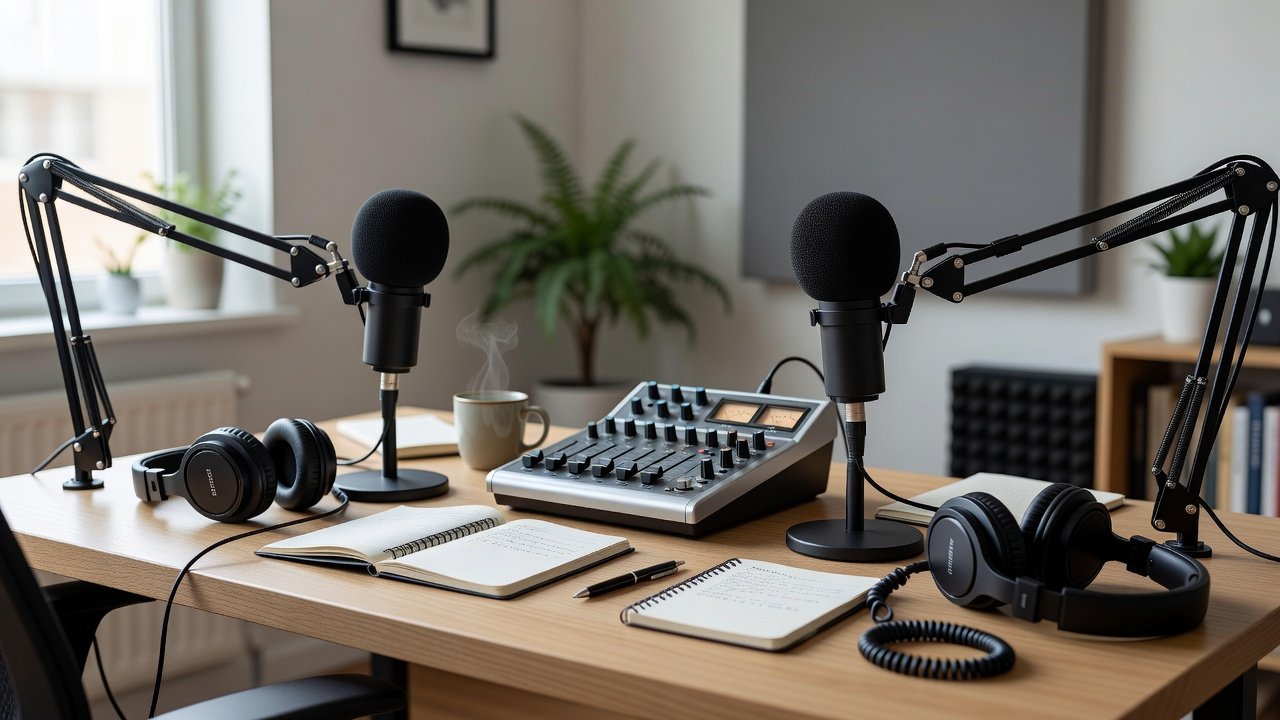
High-quality sound matters especially when timing and delivery sell the punchlines. Start simple with a solid USB mic like the Audio-Technica AT2020, decent headphones, and free tools such as Audacity or GarageBand. Dampen your space with blankets or panels so background noise doesn’t kill the vibe. Plenty of hosts begin with just a smartphone and lapel mic before upgrading. Test everything by recording quick samples and listening back—consistent audio builds trust and helps your show compete in a crowded field of true crime and education podcasts.
Once the concept is set, build a content calendar that covers outlines, guest bookings, and release dates. For comedy, script the anchors but leave room for improv. Edit with an ear for pacing: trim dead air, layer subtle sound effects under laughs, and choose intro music that matches your tone. Host your episodes on platforms like Buzzsprout or Libsyn, then submit to the big directories. Strong artwork and SEO-rich descriptions that weave in phrases like “comedy podcast reviews” or “funny true crime episode guides” make a difference. Push the show across social channels, Reddit threads, and crossovers with education podcasts to grow listeners organically.
Understanding your audience demographics helps shape content that resonates and attracts sponsors. Comedy podcast listeners skew slightly younger, with a significant portion aged 18-44, though humor spans all age groups. Men and women consume comedy podcasts at nearly equal rates, and many listeners appreciate comedy that tackles timely social issues, politics, and relationships. The more you know about who’s laughing on the other end, the better you can tailor episodes, guest selections, and advertising partnerships. Tools like Spotify for Podcasters and Apple Podcasts Connect provide listener analytics that reveal which episodes drive engagement and which formats your audience prefers.
The technical side extends beyond just recording quality. Investing in basic editing skills or hiring an editor transforms raw recordings into polished episodes that sound professional. Learn how to normalize audio levels so listeners don’t have to adjust volume between segments, apply gentle EQ to reduce harshness in voices, and use compression to even out dynamic range. These subtle touches separate shows that feel DIY from shows that feel like they belong on major networks. Many comedy podcast hosts discover that as their audience grows, delegating editing to a freelancer (often available for $50–150 per episode) frees up creative energy for writing and recording.
Monetization should be part of your long-term strategy from day one, even if revenue doesn’t arrive immediately. The most common path involves building to 5,000–10,000 regular listeners before approaching sponsors, but some comedy podcasts land sponsorships with smaller audiences if they can demonstrate engaged, loyal listeners. Patreon, Supercast, and similar membership platforms let fans support you directly, often generating revenue before traditional sponsorship deals materialize. Be transparent with your audience about how their support helps you create better content; listeners who feel invested in the show’s success become advocates who share episodes and recruit friends.
Guest dynamics can elevate a comedy podcast from solo effort to appointment listening. Booking interesting guests—whether fellow comedians, subject matter experts, or unexpected voices—gives regular listeners a reason to tune in and attracts new audiences who follow the guest. However, managing guest appearances takes planning: confirm details at least two weeks ahead, send guests a brief outline or topic list so they can prepare, and do a quick sound check before recording. The chemistry between hosts and guests often generates the funniest moments, so choose collaborators whose comedic style complements yours rather than clashes with it.
Here are the key facts and statistics that matter for anyone treating this like a real media business:
– Comedy ranks among the top three podcast genres, with millions of monthly listeners seeking humorous content that often crosses into true crime and education topics.
– Over 500,000 new podcasts launched in the past year, yet shows with consistent weekly episodes see 40% higher retention rates.
– Listeners spend an average of 7 hours per week on podcasts, making comedy formats ideal for quick, repeatable listens.
– Successful comedy podcasts frequently earn sponsorships within six months when they maintain strong production values and audience engagement.
– Cross-promotion between comedy, true crime, and education podcasts can increase downloads by up to 60% according to industry reports.
– The average comedy podcast listener is willing to recommend shows to friends, with word-of-mouth driving 35–45% of new subscriber acquisition for independent shows.
– Podcast advertising rates for comedy shows typically range from $18–50 per thousand downloads, with premium shows and loyal audiences commanding higher CPMs.
Distribution strategy determines how easily listeners discover your show. Beyond submitting to Apple Podcasts and Spotify, upload to Podcast Addict, Google Podcasts, Amazon Music, and YouTube to maximize reach. Each platform has slightly different audience demographics and discovery algorithms, so a diversified approach ensures your comedy reaches the widest net. Additionally, creating short clips from full episodes and sharing them on TikTok, Instagram Reels, and YouTube Shorts exposes comedy podcast content to platforms where potential listeners congregate. A 60-second clip that lands a laugh can drive hundreds of new listeners back to your full episodes on podcast apps.
Building community around your podcast accelerates growth and provides invaluable feedback. Create a Discord server or subreddit where listeners discuss episodes, suggest topics, and connect with each other. Host monthly live streams where you record episodes in front of an audience, or conduct Q&As about your creative process. Respond to listener reviews and direct messages, even when your show is small—this personal touch builds loyalty that translates to long-term retention. Comedy podcasters who engage authentically with their communities see higher listener lifetime value and generate organic growth through word-of-mouth.
Consistency is non-negotiable for podcast success. Whether you commit to weekly, bi-weekly, or monthly episodes, stick to the schedule. Your audience will plan around your release day, and algorithms on hosting platforms favor shows with reliable upload patterns. Missing multiple release dates damages momentum and trains listeners to stop checking for new episodes. Many successful comedy podcasters batch-record multiple episodes in single sessions, building a buffer that protects against unexpected scheduling conflicts while reducing weekly production stress.
Mastering the launch combines creative vision with disciplined execution. Choose a niche that stands out, invest in reliable gear, and commit to weekly episodes that respect your listeners’ time. Engage with reviews and feedback to strengthen that community, and treat every marketing move as an investment in your independent media brand. Track your growth metrics—downloads per episode, listener retention rates, and audience demographics—to understand what’s working and where to adjust. The mic is ready—start recording and watch the audience you build turn laughs into lasting momentum.