

Diving into comedy podcasting opens up fresh lanes for creative expression, real audience connection, and smart monetization inside today’s independent media economy. Whether your vision leans toward weekly stand-up riffs, sharp satire on the headlines, or laugh-out-loud recaps that mix comedy with true-crime storytelling and education angles, the path forward demands clear planning, solid tools, and steady output. I’ve seen firsthand how the right approach turns a side idea into a sustainable platform that actually pays creators.
As a podcaster who has navigated the media landscape as a woman of color, I know the importance of claiming space with an authentic voice that resonates across cultures. Building an audience from scratch taught me that your concept needs to feel genuinely yours while still fitting repeatable formats listeners crave. Research what’s already out there—look for gaps where a comedy lens on true-crime episodes or an education series explained through absurd analogies could stand out. Test ten to fifteen episode ideas with friends or online communities, then check listener feedback on Apple Podcasts and Spotify to confirm demand before you commit.
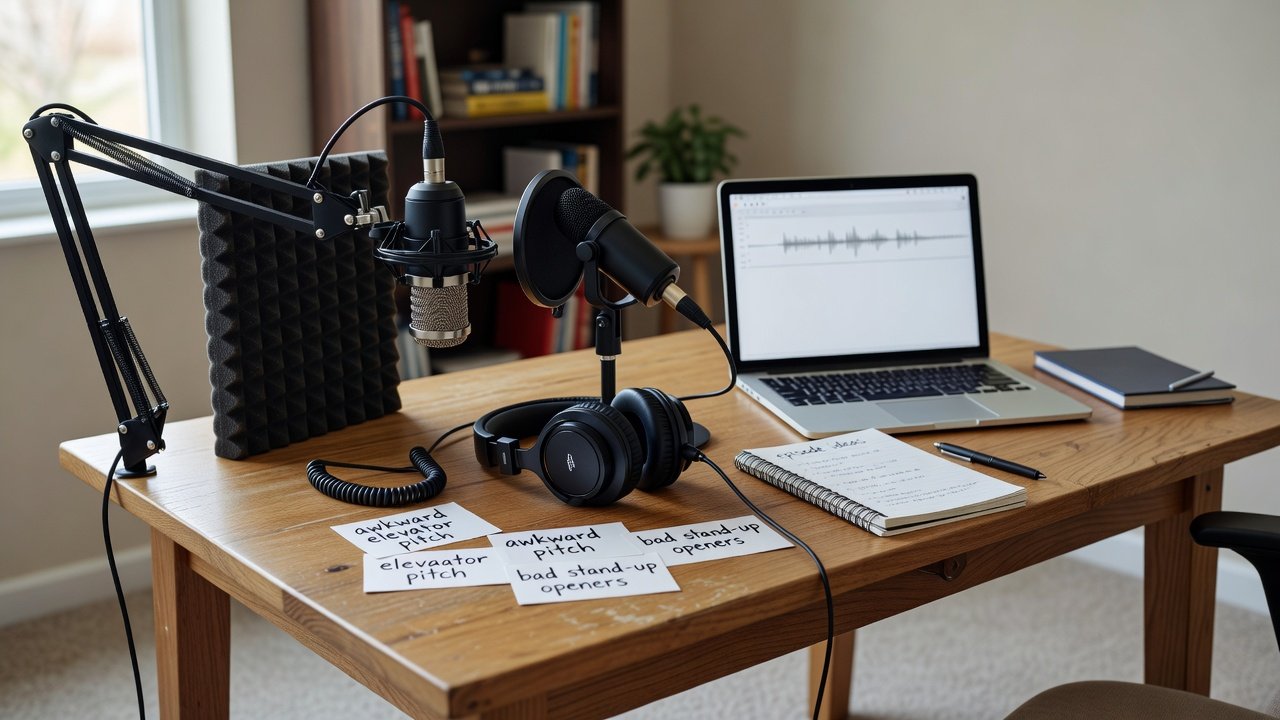
High-quality audio matters even more in comedy, where timing and delivery decide whether a joke lands. Start with accessible gear like a USB mic such as the Audio-Technica AT2020, decent headphones, and free editing software like Audacity or GarageBand. A quiet corner treated with blankets or basic panels keeps background noise from stealing focus. Plenty of hosts begin with just a smartphone and lapel mic before upgrading. Consistent sound quality builds trust and helps your show compete with polished productions in overlapping true-crime and education spaces.
Understanding your audience demographic before launch accelerates growth significantly. Comedy podcast listeners skew younger on average, with 60 percent of listeners aged 18-44 according to industry surveys, but niche comedy formats often attract specific age groups. True-crime comedy draws audiences interested in educational content wrapped in humor, while absurdist or political comedy might appeal to different listener bases entirely. Create audience personas based on your comedy style—are you targeting college students, working professionals seeking lunch-break entertainment, or parents looking for adult humor they can enjoy after kids are asleep? This clarity shapes everything from episode length to promotion strategy.
From there, map out a content calendar that includes outlines, guest bookings, and release dates. Comedy thrives when you script key segments yet leave room for improvisation. Edit for pace, trim dead air, layer subtle sound effects under laughs, and choose intro music that matches your tone. Host files through platforms like Buzzsprout or Libsyn, then submit to major directories. Eye-catching artwork and SEO-rich descriptions that include phrases like “comedy podcast reviews” or “funny true crime episode guides” improve discoverability. Cross-promote on social channels, Reddit communities, and with education podcasts to grow reach organically.
Building a consistent release schedule ranks among the most critical success factors for comedy shows. Listeners develop habits around weekly episodes, making predictability a trust signal. Most successful comedy podcasts release either weekly or bi-weekly, with weekly shows seeing significantly higher audience retention. Set realistic cadences you can actually maintain—launching with ambitious weekly plans then disappearing for months damages momentum far more than starting with monthly episodes and building from there. Many comedy podcasters batch-record content in dedicated sessions monthly or quarterly, reducing burnout while maintaining consistency.
Guest appearances and collaborations dramatically expand reach without requiring constant solo performance. Reach out to comedians, experts in your comedy’s subject matter, or personalities with existing audiences willing to cross-promote. Guest episodes can attract 25-40 percent more downloads than typical episodes when promoted effectively. Podcast swap agreements—where you appear on someone else’s show and they appear on yours—cost nothing but require genuine mutual benefit. Consider how guests might change your show’s chemistry; a co-host dynamic where regulars return monthly creates audience attachment and gives listeners reasons to keep listening weekly.
Technical setup extends beyond just recording equipment. Invest in a pop filter to reduce harsh sibilance, use a separate audio interface if recording with multiple microphones, and maintain consistent microphone-to-mouth distance for predictable levels. Many comedy podcasts fail technically because hosts laugh directly into mics, causing distortion, or position guest mics inconsistently. Spend time with your editing software learning proper compression, noise reduction, and equalization. These skills take weeks to master but transform amateur audio into professional-quality sound. Youtube tutorials from established podcast editors reveal industry-standard techniques without requiring expensive courses.
Monetization strategies should be planned before launch, not after audience building. Sponsorships remain the primary revenue stream for comedy podcasts, with rates typically ranging from $25-$100 per thousand downloads depending on audience demographics and engagement. Patreon support creates direct listener funding, allowing fans to financially back shows they love while receiving exclusive content or perks. Affiliate marketing through products mentioned in episodes generates passive income if done authentically. Merchandise sales around inside jokes or catchphrases appeal to dedicated listeners. Premium subscription models through platforms like Substack or Patreon work best after establishing 5,000-10,000 monthly listeners, ensuring enough audience to justify exclusive content.
Comedy ranks among the top three podcast genres, with millions of monthly listeners seeking humorous content that often crosses into true crime and education topics. Over 500,000 new podcasts launched in the past year, yet shows with consistent weekly episodes see 40 percent higher retention rates. Listeners spend an average of seven hours per week on podcasts, making comedy formats ideal for quick, repeatable listens. Successful comedy podcasts frequently earn sponsorships within six months when they maintain strong production values and audience engagement. Cross-promotion between comedy, true crime, and education podcasts can increase downloads by up to 60 percent according to industry reports.
Building community around your show transforms passive listeners into active participants. Respond to listener reviews and social media comments personally, showing you value feedback. Create community forums through Discord servers or subreddits where fans discuss episodes and share content. This organic engagement builds loyalty and generates user-created content that amplifies reach. Many successful comedy shows invite listener participation through calls for story submissions, listener voicemails, or social media call-outs during episodes. These elements make audiences feel invested in the show’s success.
Legal considerations protect both you and your podcast long-term. Secure proper licensing for music through platforms like Epidemic Sound or Artlist that offer podcast-specific licensing at reasonable rates, or use royalty-free music libraries. Understand defamation laws if your comedy involves real public figures or specific people. Create a simple terms-of-service for your show clarifying ownership and promotional rights. If monetizing, research tax implications in your jurisdiction, as podcast income requires proper reporting.
Mastering how to start your own comedy podcast blends creative vision with practical business moves. Choose a compelling niche, invest in reliable equipment, and deliver regular high-quality episodes, and you can build a loyal audience that values your unique mix of laughs and perspective. Stay consistent, respond to reviews, and treat your show like the independent media business it is—because the microphone is waiting.
Sources
- Podcast Index – Open podcast database and API for discovery and analytics
- Spotify Newsroom – Official updates on podcast strategy and growth
- Edison Research – Comprehensive podcast listener research and industry insights
- Buzzsprout Resources – Podcast hosting guides and production tips
- Podcast Addict – Open source podcast player and discovery platform