
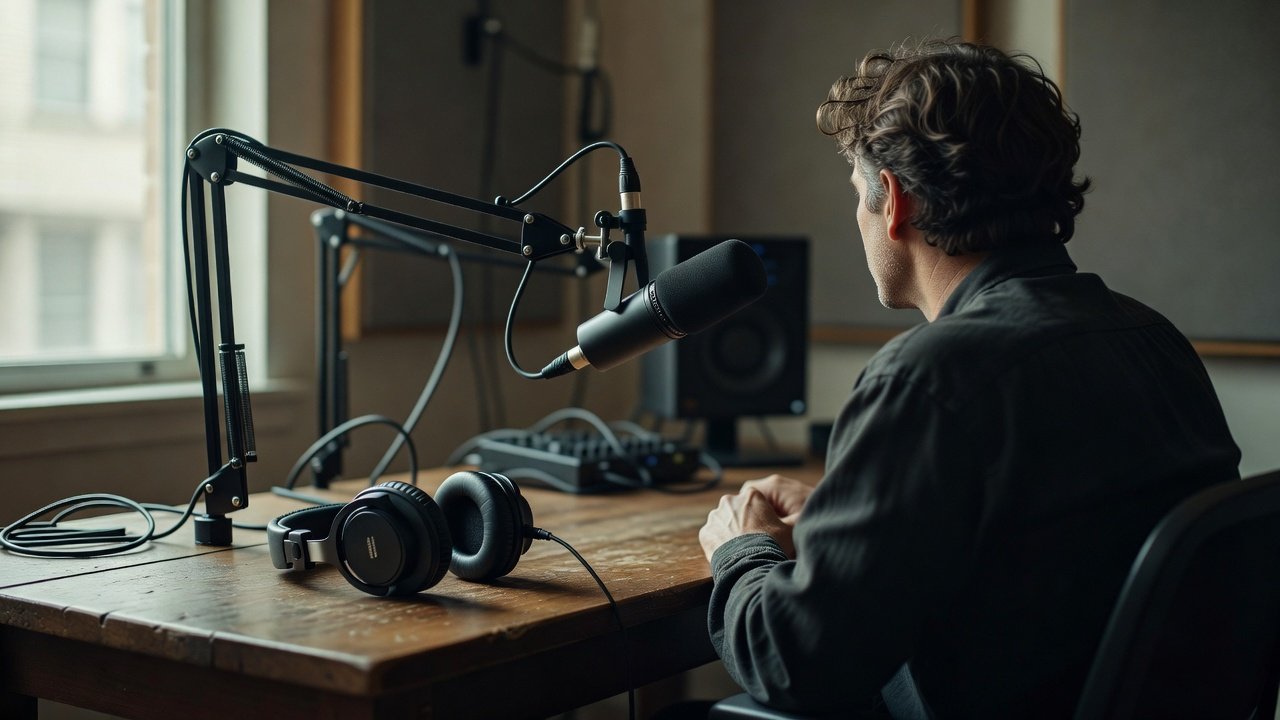
The profile of Marc Maron from WTF Podcast showcases a pioneering voice in comedy podcasts whose raw, introspective style has redefined long-form audio conversations since 2009. As one of the earliest and most enduring comedy podcast hosts, Marc Maron built WTF into a platform blending stand-up roots with deeply personal interviews, attracting millions of listeners seeking authentic discussions on mental health, addiction, and the entertainment industry.

Early Career and Stand-Up Foundations
Marc Maron’s journey began in the 1980s New York comedy clubs where he honed a confessional style that would later define the WTF Podcast. After studying at Boston University and performing alongside future stars like Louis C.K., Maron faced early struggles with substance abuse and career instability that he openly explores in his comedy podcast episodes. These experiences gave him an edge in comedy podcast reviews, as listeners connected with his vulnerability rather than polished routines.
During the 1990s and early 2000s, Maron’s comedy career experienced significant ups and downs. He performed at legendary venues like the Comedy Cellar in New York and The Comedy Store in Los Angeles, but struggled to achieve consistent mainstream success. His willingness to discuss his failures, his anxiety, and his ongoing battle with depression became central to his comedic voice. Unlike many comedians who hide their struggles behind comedic personas, Maron’s approach was refreshingly direct—his act itself became the documentation of his internal struggles and recovery journey. This authenticity resonated with audiences who were tired of impersonal, heavily produced entertainment.
Transition to Radio and Podcasting
By the mid-2000s, Maron hosted segments on Air America Radio, but it was the launch of WTF that allowed unfiltered exploration of topics. His move to Los Angeles and the famous garage interviews marked a turning point, establishing the show as essential listening for fans of comedy and education podcasts alike.
Maron’s Air America experience proved instrumental in developing his radio interviewing skills, though he often felt constrained by the format’s commercial demands and time limitations. When Air America folded in 2010, Maron was already establishing WTF as an independent venture. The timing proved fortuitous—podcasting was emerging as a viable medium for long-form content, and Maron possessed both the technical knowledge and creative vision to build something substantial. His decision to record primarily from his garage in Los Angeles became iconic, transforming a humble recording space into a destination for major celebrities and industry figures seeking genuine, unscripted conversations.
Launch and Evolution of the WTF Podcast
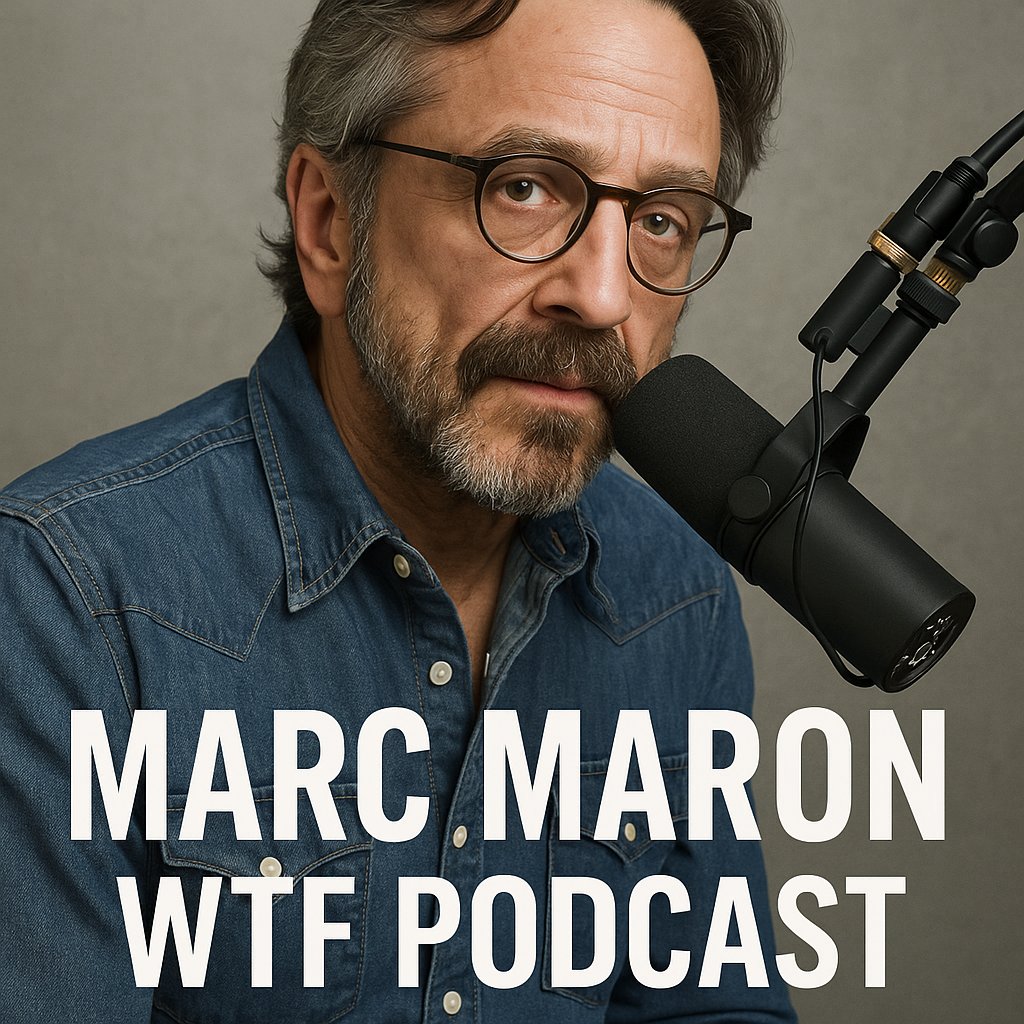
WTF with Marc Maron debuted in 2009 as a twice-weekly comedy podcast featuring extended conversations that often ran over two hours. Maron’s signature opening monologues about his cats, relationships, and recovery set a tone of radical honesty that influenced countless subsequent shows in the true crime, comedy, and education podcasts space. The series grew through word-of-mouth and later distribution deals, reaching over 1,500 episodes.
The early years of WTF were characterized by Maron’s willingness to experiment with the format. He initially interviewed mostly fellow comedians and comedy figures, but gradually expanded to include actors, musicians, directors, and writers. This diversification helped the show appeal to audiences beyond the comedy niche and established Maron as a skilled interviewer capable of drawing out compelling stories from guests across multiple industries. The podcast’s growth was organic and community-driven; listeners recommended episodes to friends, social media amplified the show’s reach, and high-profile guests began seeking appearances on the platform.
Signature Interview Style
Unlike quick-hit formats, Marc Maron’s WTF Podcast emphasizes emotional depth, frequently circling back to guests’ childhoods or creative blocks. This approach earned acclaim in podcast show reviews for creating space for revelations from comedians, actors, and musicians who rarely open up elsewhere.
Maron’s interview methodology is distinctive and intentional. He conducts extensive research before each conversation, allowing him to ask informed follow-up questions that probe deeper than surface-level topics. His technique often involves starting conversations with seemingly casual anecdotes before gradually steering toward more vulnerable territory. This conversational architecture allows guests to gradually relax and share more intimate details about their lives, creative processes, and personal challenges. The lack of a commercial break structure in the podcast format—a hallmark of independent audio production—enables these natural conversation rhythms to flow without artificial interruption. Maron has stated that his philosophy involves treating each guest as a potential collaborator in creating meaningful content rather than simply extracting a soundbite for promotional purposes.
Cultural Impact and Notable Guests
The WTF Podcast reached mainstream prominence with high-profile episodes, including a 2015 sit-down with President Barack Obama that highlighted the medium’s political reach. Maron has interviewed figures ranging from Robin Williams to Lena Dunham, using his platform to discuss everything from creative burnout to societal issues. His work has been praised in comedy podcast guides for normalizing conversations around anxiety and recovery.
The Obama interview specifically marked a watershed moment for podcasting as a legitimate medium. When a sitting U.S. President appeared on an independent comedy podcast rather than a major news network, it signaled podcasting’s emergence as a culturally significant platform. The episode garnered millions of downloads and generated widespread media coverage, establishing WTF as a show with real influence beyond the comedy audience. This moment opened doors for subsequent high-profile guests and elevated the podcast’s credibility among mainstream media outlets.
Beyond political figures, Maron’s guest roster reads like a who’s who of contemporary entertainment and culture. He’s hosted legendary musicians like David Bowie, Joni Mitchell, and Paul McCartney. He’s interviewed acclaimed filmmakers including David Lynch, Martin Scorsese, and the Coen Brothers. The show has featured cultural critics, scientists, athletes, and activists, reflecting Maron’s genuine curiosity about diverse perspectives and experiences. What unites these disparate guests is their willingness to engage deeply with Maron in substantive conversation rather than promotional appearances.
Media Expansions and Legacy
Beyond audio, Marc Maron expanded into television with the IFC series Maron and memoir publications that complement the podcast’s themes. The show remains a benchmark for independent comedy podcasts, demonstrating how personal storytelling sustains long-term audience engagement in an oversaturated market.
The IFC series, which ran from 2013 to 2018, served as a natural extension of WTF’s themes, dramatizing Maron’s personal life and relationships while maintaining the confessional tone established in the podcast. The show received critical acclaim for its honest portrayal of anxiety, relationships, and personal growth. Maron has also published memoirs including “Attempting Normal” and “Waiting for the Punchline,” which explore his life story with the same candor evident in his podcast work. These multimedia expansions have created a cohesive body of work that reinforces Maron’s brand as a chronicler of his own psychological and emotional journey.
The influence of WTF extends far beyond Maron’s own projects. The podcast established a blueprint for successful independent audio programming that prioritized authenticity and depth over production polish. It demonstrated that audiences hungered for long-form content featuring genuine human connection and vulnerability. This model influenced an entire generation of podcasters and helped legitimize podcasting as a serious medium worthy of major media investment and cultural attention.
Key Facts and Statistics
- WTF launched in September 2009 and has produced more than 1,500 episodes as of 2024.
- The podcast averages over 3 million downloads per