
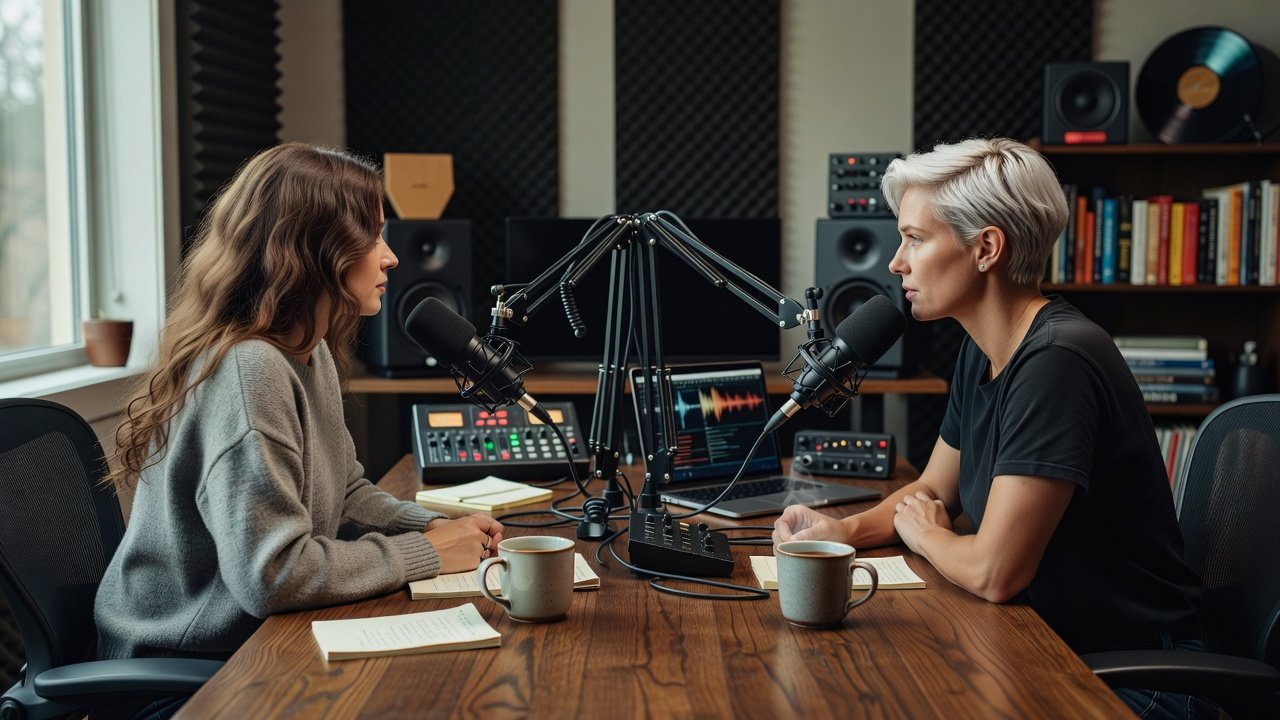
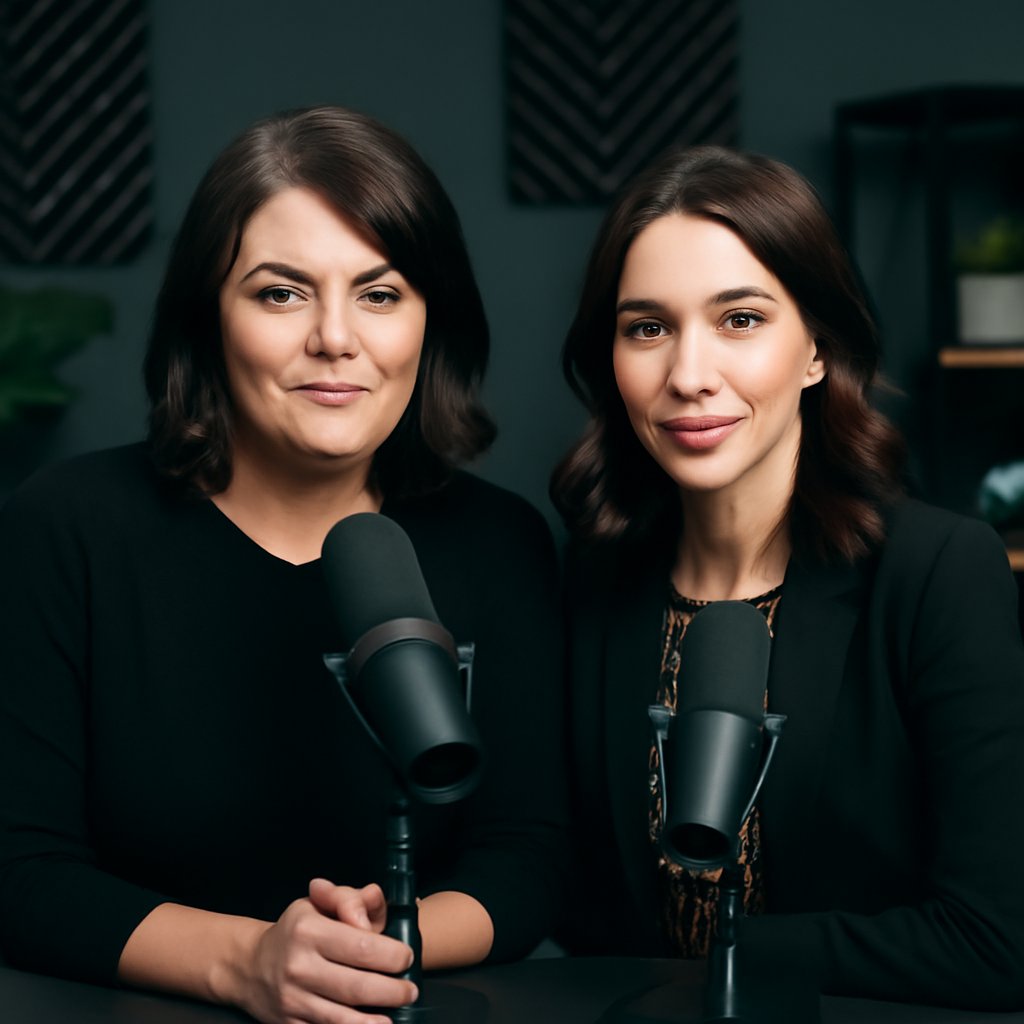
If you’re hunting for a true crime podcast that mixes chills with belly laughs, My Favorite Murder stands out as the one that feels like eavesdropping on your sharpest, most irreverent friends. Karen Kilgariff and Georgia Hardstark have turned dark subject matter into appointment listening for millions, proving that infectious chemistry can power an independent media brand far beyond its origins.
Building an audience from scratch taught me that natural rapport is the ultimate growth hack, and these two nailed it early. They met in the Los Angeles comedy scene through stand-up and writing gigs, where shared experiences sparked an instant connection. That bond became the foundation for on-air storytelling that feels genuine rather than polished for the algorithm.
What started as casual live chats about murders grew into a worldwide phenomenon without losing its scrappy roots. As a podcaster who has navigated the media landscape as a woman of color, I know how rare it is for independent shows to scale while staying authentic. Karen and Georgia kept the format flexible, layering in detailed case research alongside tangents about pets, pop culture, and everyday life that keep listeners coming back week after week.
Karen’s writer-performer background gives the episodes structure and bite. Her precise delivery and dry observations cut through heavy material, while quick comebacks and deep dives into lesser-known cases reward longtime fans. Those recurring cat stories have become their own mini content engine, the kind of repeatable moments smart marketers dream about.
Georgia brings the warmth and relatability that balances the duo perfectly. Her self-deprecating humor and willingness to share personal struggles create space for both laughs and empathy, turning episodes into something bigger than case recaps. Listeners hook onto her enthusiasm for odd details and life updates that land like texts from a friend, adding a distinct Southern flavor to the mix.
The real business magic sits in their back-and-forth banter. That ability to swing from researched facts to ridiculous tangents keeps episodes moving and inspires countless fans to explore the genre themselves. Beyond the mic, they’ve built a thriving community through live tours, fan art spotlights, and the now-iconic “Stay Sexy and Don’t Get Murdered” mantra. Honest conversations about mental health and friendship have helped the show function as both entertainment and support network, something the smartest independent media creators understand is priceless for retention.
When My Favorite Murder debuted in January 2014, the true crime podcast space was far less crowded than it is today. The show’s timing proved crucial—audiences were hungry for content that treated serious subjects with intelligence rather than exploitation, yet didn’t take itself too seriously. Karen and Georgia arrived with exactly the right tone, delivering thorough case research wrapped in irreverent comedy that made dark material feel less heavy. That balance between respect for victims and genuine entertainment set a standard that countless shows have since tried to replicate.
The podcast’s format has remained relatively consistent, yet adaptive enough to stay fresh across hundreds of episodes. Each episode typically focuses on two listener-submitted cases, allowing for variety while maintaining a predictable structure that fans anticipate and crave. This consistency became a cornerstone of their growth strategy—listeners knew what they were getting, but the chemistry between hosts ensured no two episodes felt identical. The flexibility to pivot between deep case analysis and completely off-topic conversations about Georgia’s love of animals or Karen’s observations about pop culture gave the show a dynamic quality that kept people subscribed for the long haul.
What sets My Favorite Murder apart in the crowded true crime landscape is the hosts’ genuine commitment to responsible storytelling. They frequently acknowledge the real impact on victims’ families, offer resources for mental health support, and use their platform to highlight cases involving marginalized communities that might otherwise go unnoticed. This thoughtful approach combined with their comedic sensibility creates a listening experience that feels both entertaining and purposeful. For podcasters looking to build loyal audiences, this model demonstrates that you don’t have to choose between being entertaining and being ethical—in fact, integrating both strengthens audience connection.
The live tour component deserves particular attention as a business strategy. My Favorite Murder Live events have sold out arenas across North America and internationally, creating additional revenue streams while deepening the parasocial relationship between hosts and listeners. These tours aren’t just cash grabs either—they feature the same genuine banter and community focus that characterizes the podcast, with dedicated segments for fan art appreciation and Q&A sessions that make attendees feel genuinely seen. For independent podcasters, the live event model demonstrates how audio content can extend into physical spaces and create experiences that justify premium pricing.
Karen and Georgia’s approach to social media and community engagement also warrants examination. Rather than simply pushing content, they actively cultivate fan participation through platforms like Instagram and Reddit, where the podcast community generates discussion, shares memes, and keeps the momentum alive between episode releases. This two-way engagement transforms listeners into advocates who feel invested in the show’s success. The user-generated content becomes free marketing that reaches far beyond what traditional advertising could accomplish, particularly among younger demographics who trust peer recommendations far more than sponsored messages.
The show’s evolution regarding mental health discussions marks another significant differentiator. Both Karen and Georgia have been open about their struggles with anxiety, depression, and other mental health challenges. Rather than presenting themselves as polished experts, they normalize the messiness of human experience, frequently discussing therapy, medication, and coping strategies. This vulnerability resonates powerfully with audiences, particularly millennials and Gen Z listeners who increasingly value authenticity over perfection. The podcast essentially functions as group therapy where everyone listens to friends process their lives while discussing murder—an unexpectedly healing combination that explains much of the show’s staying power.
The merchandise and sponsorship landscape surrounding My Favorite Murder also illustrates smart monetization strategy. Rather than bombarding listeners with random ads, the hosts carefully select sponsors that align with their audience’s values—mental health apps, subscription boxes, and services that feel genuinely useful rather than exploitative. This selectivity maintains the show’s authenticity while generating revenue that allows the team to maintain production quality and independence from major media conglomerates.
Whether you’re a longtime listener or just pressing play for the first time, Karen and Georgia deliver comedy that elevates true crime while proving the power of personality-driven podcasting. Tune in for the cases, stay for the connection that turns casual listeners into a loyal, vocal audience.