

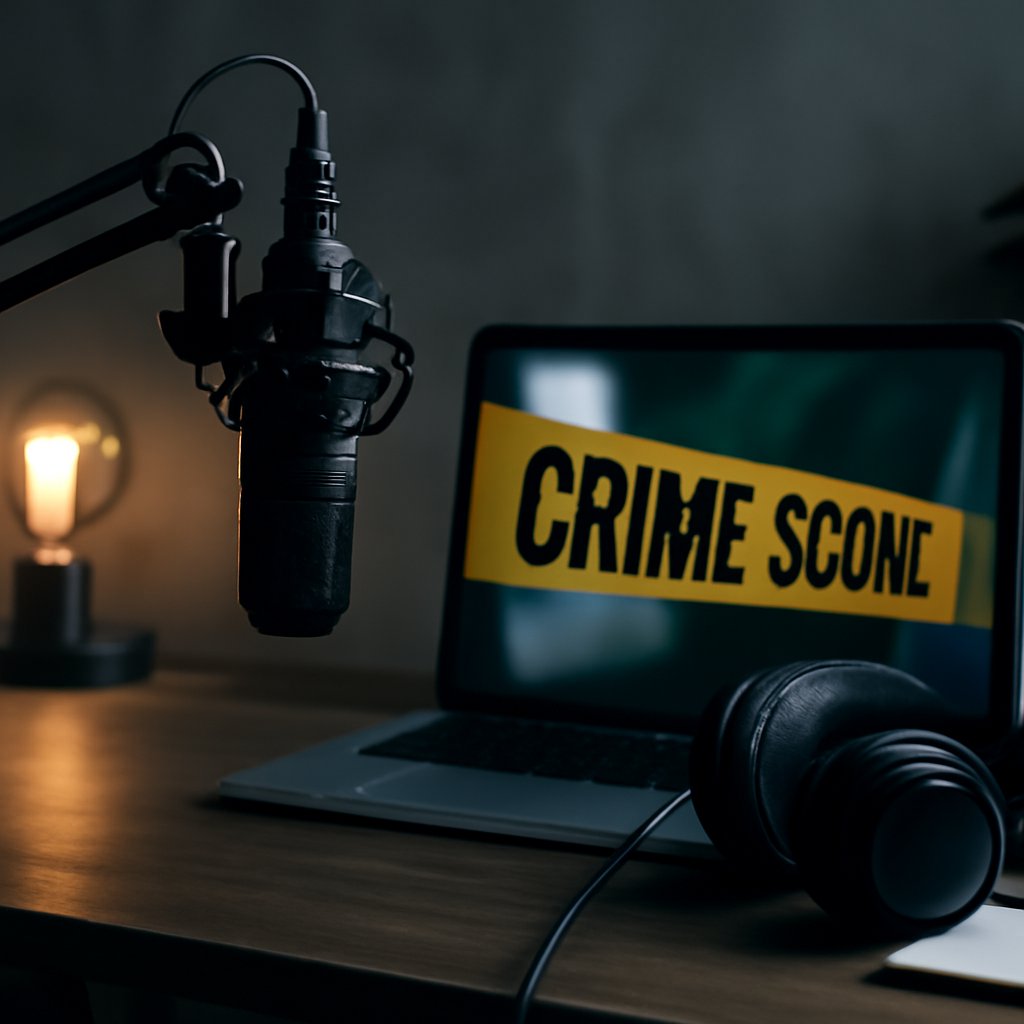
True crime podcasts have turned into a massive force for shifting how everyday listeners engage with criminal justice, cold cases, and victim stories. These shows pull millions into conversations that used to stay locked inside courtrooms, and as someone who has built shows from the ground up, I see the ripple effects in real time—especially when it comes to growing engaged communities around tough topics.
The genre’s explosion over the last decade took it from niche obsession to cultural staple. Hits like Serial and Crime Junkie mix deep research with addictive storytelling that fits into commutes, workouts, and late-night listens. That reach pulls in audiences from all kinds of backgrounds, creating shared curiosity about forensics, policing, and systemic issues. Building an audience from scratch taught me that consistent, accessible storytelling is one of the strongest marketing tools independent creators have—listeners don’t just tune in; they share, discuss, and come back for more.
Early shows zeroed in on wrongful convictions and unsolved files, then the space opened up to include lighter takes like My Favorite Murder. These formats keep victims front and center while teaching listeners about psychology and investigative methods. The result goes beyond entertainment: people start questioning official accounts and backing reform. As a podcaster who has navigated the media landscape as a woman of color, I’ve watched how these conversations can spotlight inequities that mainstream outlets often overlook, turning passive downloads into active community support.
One standout effect is the way episodes revive stalled investigations. Listener tips have reopened cases and even led to arrests, flipping audiences into participants. Shows also call out uneven media attention across demographics, which builds empathy and pressures agencies to allocate resources more fairly—something that resonates deeply in diverse communities.
Beyond recaps, many productions weave in lessons on DNA tech, profiling, and court processes. That knowledge arms listeners to spot red flags or push for better laws. Comedy-infused true crime lowers the entry point for heavy material, boosting retention especially among younger listeners without trivializing the stakes. From a business standpoint, this hybrid approach is smart podcast marketing: it widens the funnel while keeping core audiences invested, which matters for independent media sustainability.
Responsible creators balance the entertainment draw with care for facts and victim dignity. That approach fuels advocacy and even spikes interest in criminology studies or volunteering. High-profile episodes have already driven exonerations, sped up lab work, and sparked policy reviews, proving how independent voices can democratize information that once stayed behind closed doors.
Critics flag risks of sensationalism, yet many shows address this with expert input and clear disclaimers. The overall outcome tends to increase transparency in law enforcement.
Here are the numbers that underscore the scale:
– True crime podcasts account for over 20% of all podcast downloads in the United States, with monthly listeners exceeding 50 million.
– At least 15 cold cases have been reopened directly due to listener tips generated by popular episodes since 2015.
– Surveys indicate 68% of regular listeners report greater awareness of criminal justice inequities after engaging with the content.
– Comedy true crime shows see 40% higher retention rates among younger demographics compared to straight documentary formats.
– Education-focused episodes on forensics have driven a measurable uptick in applications to criminal justice degree programs.
– International true crime podcasts have raised awareness in over 80 countries, prompting cross-border cooperation on human trafficking cases.
The demographic reach of true crime podcasts extends far beyond what traditional media achieved for decades. Women make up roughly 70% of the true crime podcast audience, a striking shift that has given voice to perspectives historically underrepresented in criminal justice narratives. This female-dominant audience has fueled deeper investigations into cases involving female victims and perpetrators, genres that were often sidelined in older true crime formats. The intersection of gender, race, and access to justice has become a central talking point in listener communities, with shows actively engaging subscribers in discussions about systemic bias and resource allocation.
Listener engagement doesn’t stop at passive consumption. Many true crime podcasts now feature dedicated Discord servers, Facebook groups, and subreddits where fans collaborate on research, share theories, and coordinate tips to send directly to law enforcement or show hosts. This crowdsourced investigation model has proven effective enough that some independent hosts now employ research coordinators specifically to manage listener submissions and verify leads. The democratization of investigative work has lowered barriers for people outside law enforcement to contribute meaningfully to case resolution—a dynamic that traditional journalism seldom enabled.
The relationship between true crime podcasts and mainstream media deserves attention as well. Major networks have begun developing podcast-to-television adaptations, recognizing that audiences cultivated through audio storytelling are primed for expanded narratives. Networks like Netflix and HBO have greenlit documentaries based on popular podcast series, creating a feedback loop where podcast success drives broader cultural conversations. This cross-platform momentum amplifies public awareness even further, ensuring that the cold cases and justice issues highlighted in episodes reach audiences who might never seek out podcasts directly.
Academic institutions have also taken notice. Universities offering criminal justice, forensics, and investigative journalism programs report that applicants frequently cite true crime podcasts as inspiration for their career choices. Some educators have begun incorporating podcast episodes into curricula, using them as case studies for analyzing media narratives, investigative methodology, and ethical storytelling. This integration legitimizes podcasts as educational tools while pushing creators to maintain higher standards of accuracy and sourcing.
The psychological impact on listeners warrants exploration too. Regular engagement with true crime content can foster both increased civic awareness and anxiety about personal safety. Responsible producers acknowledge this tension, often dedicating episodes or bonus content to mental health resources, victim support organizations, and information about how listeners can channel their concern into constructive action. Shows that pair dark subject matter with actionable pathways—whether that’s supporting advocacy groups, contacting representatives, or volunteering with local organizations—create healthier listener relationships with the material.
Monetization models in true crime podcasting have evolved significantly. While early shows relied heavily on Patreon and sponsorships, the genre now supports full-time independent creators through a mix of premium tiers, live events, merchandise, and advertising. This financial viability attracts serious producers who invest in fact-checking, legal review, and victim consultation—all elements that strengthen credibility and reduce sensationalism. The business sustainability of the space matters because it allows creators to dedicate resources to responsible journalism practices that might otherwise be cut for budget reasons.
International expansion of true crime podcasts introduces another dimension to public awareness. Shows produced in English reach global audiences, but local language productions are equally vital. Podcasts tackling cold cases and missing persons in countries where mainstream media faces restrictions have become unofficial record-keepers and accountability mechanisms. In regions where investigative journalism faces political pressure, true crime podcasts sometimes function as parallel media infrastructure, preserving stories and evidence that might otherwise disappear.
Looking forward, the intersection of true crime podcasting and technology will likely reshape how audiences interact with cases. Augmented reality features, interactive timelines, and integrated databases could transform episodes from passive listening experiences into dynamic investigation tools. Some networks are already experimenting with these formats, creating immersive ways for audiences to engage with evidence and build their own theories about unsolved cases.
In the end, true crime podcasts show the real power of blending narrative craft, education, and listener engagement. They revive cold files, fuel policy debates, and expand collective understanding—while giving independent creators a viable path to build sustainable media businesses that serve diverse audiences worldwide.
Sources
- Podcast Index – Open and independent podcast database and search engine
- Spotify Newsroom – Official Spotify news and research hub
- Edison Research – Audio and media consumption research organization
- Edison Research Podcast Consumer Report – Annual research on podcast listening habits
- Spotify Newsroom True Crime Coverage – Industry insights and podcast trends