

Learning how to analyze evidence in true crime shows transforms passive viewing into an engaging, educational experience. Whether you are tuning into true crime podcasts like Serial or My Favorite Murder, or watching docuseries that dramatize cold cases, mastering evidence analysis helps listeners separate compelling storytelling from verifiable facts. This skill set draws from forensic principles, logical reasoning, and an awareness of how producers frame information across episode guides and comedy-infused true crime formats.
Understanding Types of Evidence in True Crime Shows
True crime shows and podcasts present a mix of direct, circumstantial, and forensic evidence that requires careful scrutiny. Direct evidence, such as eyewitness testimony or a confession, points straight to guilt or innocence, yet producers often highlight its dramatic value over reliability. Circumstantial evidence, including timelines, alibis, and digital footprints, forms the backbone of many episode guides in educational true crime podcasts, inviting listeners to connect dots themselves.
Direct Versus Circumstantial Evidence
Direct evidence like DNA matches or recorded statements carries high weight, but true crime shows frequently revisit cases where such evidence was later discredited. Circumstantial clues, such as phone records or financial motives, demand cross-referencing with multiple sources. Listeners who study episode guides from comedy true crime podcasts learn to question how editors splice audio to emphasize one interpretation.
When evaluating direct evidence presented in true crime narratives, consider the chain of custody—the documented path that evidence followed from collection to presentation in court. Weaknesses in this chain can render even seemingly solid evidence questionable. Many true crime podcasts fail to adequately explain chain of custody procedures, which forensic experts consider fundamental to evidence integrity. By understanding this concept, listeners can identify when a show glosses over critical procedural details that might undermine its central thesis.
Forensic Evidence Breakdown
Podcasts specializing in education often dedicate segments to ballistics, toxicology reports, and fingerprint analysis. When analyzing evidence in true crime shows, note whether experts appear on camera or if conclusions rely on narration alone. This distinction matters because forensic techniques evolve; older episodes may reference methods now considered outdated.
Digital evidence has become increasingly prominent in modern true crime cases covered by contemporary podcasts. Cell phone records, GPS data, social media activity, and cloud storage information can paint detailed pictures of suspects’ movements and communications. However, these digital trails are only as reliable as the forensic analysts interpreting them. True crime shows sometimes present digital evidence without explaining potential limitations, such as how cell tower data provides location estimates rather than precise coordinates, or how timestamps can be manipulated. Understanding these nuances helps audiences recognize when shows oversimplify complex technological evidence for dramatic effect.
Step-by-Step Techniques for Evidence Analysis
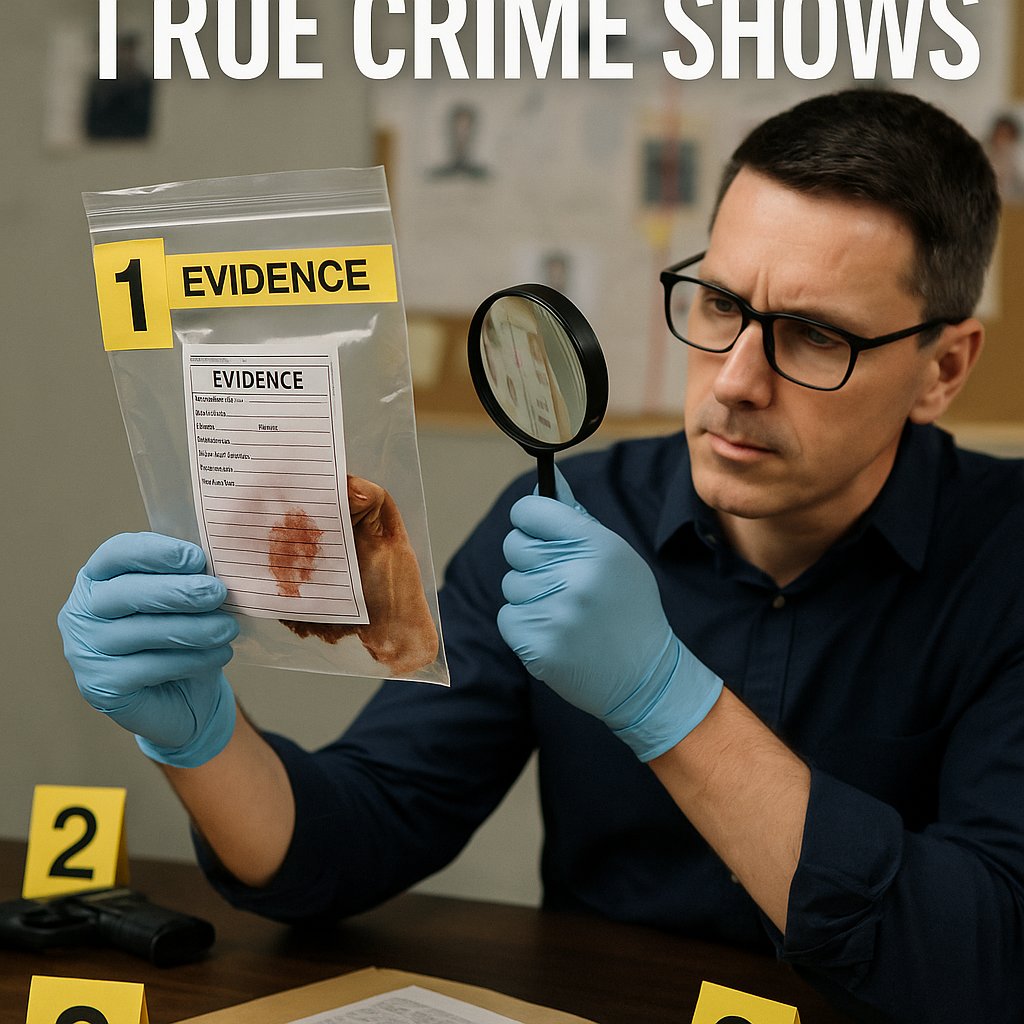
Developing a systematic approach lets audiences evaluate claims made across true crime podcasts and shows. Start by creating a timeline of events mentioned in each episode, then verify dates against public records or additional reporting. Next, categorize every piece of evidence presented and rate its source credibility on a simple scale from primary documents to anecdotal storytelling.
Identifying Bias in Presentation
Comedy true crime formats inject humor that can soften the impact of graphic details, potentially downplaying inconsistencies. Educational podcasts counter this by including disclaimers and expert interviews. When learning how to analyze evidence in true crime shows, pause after each major reveal and ask whether alternative explanations fit the same facts.
Confirmation bias stands as one of the most pervasive issues affecting true crime narratives. Producers naturally gravitate toward evidence supporting their chosen narrative while minimizing or ignoring contradictory details. This isn’t necessarily intentional deception; it’s how storytelling works. However, critical listeners must actively seek out what’s missing from the narrative. Ask yourself: What evidence hasn’t the host discussed? What questions remain unanswered? Are there viable alternative suspects or scenarios that the podcast dismisses too quickly? Developing this skeptical mindset transforms you from a passive audience member into an engaged analyst.
Cross-Referencing Multiple Sources
Strong analysis involves comparing the narrative in one true crime podcast against court transcripts or news archives. Episode guides often list cited materials, making it easier to follow up. Viewers should track recurring themes such as confirmation bias, where shows emphasize evidence supporting the host’s theory while omitting contradictory details.
When cross-referencing sources, pay particular attention to dates of publication and updates. A news report from immediately after an arrest may contain inaccuracies later corrected in court documents. Trial transcripts, despite their official nature, can include testimony that’s subsequently discredited or impeached. Police reports, while detailed, may reflect investigative bias present at the time. By consulting sources from different time periods and perspectives, you develop a more complete and accurate understanding of complex cases. Many podcasts cite sources in their show notes, but listeners should verify these references independently rather than assuming accuracy.
Additionally, investigate whether the case remains open, ongoing, or fully resolved. True crime shows covering active investigations face different ethical constraints than those examining cold cases or completed trials. Hosts of shows covering active cases should exercise caution about potentially influencing investigations or prejudicing future proceedings. This awareness helps listeners understand context and limitations inherent in the coverage.
Applying Analysis Skills to Popular True Crime Podcasts
Popular series like Serial and The Drop Out demonstrate how evidence analysis enhances enjoyment and critical thinking. In Serial, the host revisits witness statements across seasons, modeling how to weigh changing recollections. Comedy podcasts such as My Favorite Murder encourage audience participation through listener stories, which can be examined for patterns in evidence handling.
Case Study: Serial and Timeline Scrutiny
The first season of Serial centered on cell tower data and alibis. Listeners who mapped the evidence themselves discovered how small discrepancies in timing altered the perceived sequence of events. This exercise highlights why true crime shows benefit from transparent sourcing.
Serial’s approach to evidence analysis pioneered a collaborative listening model where audiences actively participated in examining claims. By revisiting the same case across multiple episodes and updating conclusions as new information emerged, Serial demonstrated intellectual honesty—a quality listeners should demand from all true crime content. The podcast’s willingness to acknowledge ambiguity and complexity, rather than presenting a neat resolution, aligns with how actual criminal investigations and prosecutions function. When analyzing any true crime show, ask whether hosts demonstrate similar intellectual humility or whether they oversimplify complicated matters for narrative satisfaction.
Lessons from Educational Formats
Education-focused true crime podcasts often feature forensic scientists who explain chain-of-custody protocols. Applying these lessons while watching dramatized shows reveals when producers take creative liberties with evidence presentation for narrative flow.
Educational podcasts provide valuable context about how forensic science actually works versus how it’s portrayed in dramatized retellings. Forensic specialists can explain why certain evidence types are considered reliable, what error rates affect specific testing methods, and how validation studies inform admissibility standards. When you listen to these educational segments, you gain vocabulary and conceptual frameworks that enhance your ability to critically evaluate evidence presented in other true crime shows. Terms like “exculpatory evidence,” “impeachment,” and “Daubert standard” take on concrete meaning when explained by practitioners rather than dramatization writers.
Furthermore, educational formats often address historical cases where evidence was handled improperly or misinterpreted. Understanding past forensic failures provides perspective on systemic issues affecting criminal justice. DNA exoneration cases particularly demonstrate how evidence interpretation can go wrong, offering lessons applicable to contemporary cases discussed in other podcasts.
Key Facts and Statistics
- Over 60% of wrongful convictions later overturned by DNA evidence involved misinterpretation of circumstantial clues presented in initial trials.
- True crime podcasts have surpassed 500 million downloads annually in the United States alone, driving demand for accurate episode guides.