
If you’re a podcast enthusiast hunting for reliable news delivered through compelling audio storytelling, The Daily from The New York Times stands out as essential listening. This flagship show turns dense headlines into gripping, well-paced narratives that keep you informed without overload. Whether it’s commuting, gym time, or downtime at home, the delivery hits that sweet spot of depth and accessibility.
What separates The Daily is its narrative-driven approach that feels conversational rather than reportorial. Hosted by Michael Barbaro alongside rotating Times reporters, each episode locks onto one major story, unpacking context, voices, and implications. In the studio, this decision makes or breaks listener experience—building scenes through layered interviews and ambient sound instead of flat narration keeps engagement high across the full runtime.
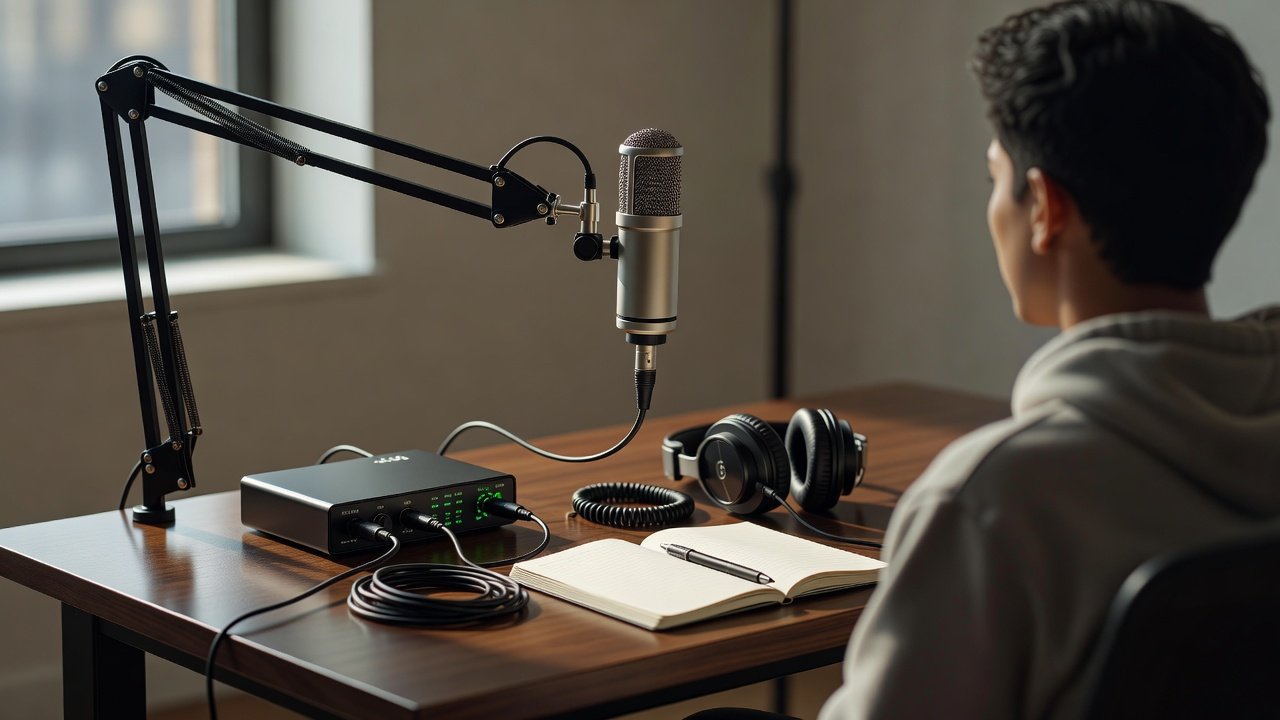
Rather than bullet-point recaps, the team crafts immersive audio. Reporters drop behind-the-scenes details, capture key interviews, and shape tension like a tight documentary edit. After producing hundreds of episodes, the technical reality is that this level of flow demands precise DAW workflows: tight edits, consistent gain staging, and subtle room-tone matching so the story never hits a seam.
Episodes land every weekday morning, feeding fresh angles on politics, culture, science, and global affairs while linking breaking events to bigger patterns. The 20- to 30-minute length strikes the right balance—long enough for real reporting, short enough to slot into any schedule. You’ll catch firsthand accounts, sharp analysis, and questions that cut through the noise. Production sits at a high standard: crisp vocal presence, seamless transitions, and momentum that holds from cold open to sign-off. That clarity usually comes from controlled recording environments, thoughtful mic placement to minimize plosives, and post-production moves like light de-essing plus dynamic range control so nothing clips or drops out on mobile playback.
Listeners get clear breakdowns of tangled topics, diverse guest perspectives, recurring segments that track developing stories, and occasional multi-episode series on themes like the economy or justice reform. After producing hundreds of episodes, the technical reality is that consistent format plus high-fidelity delivery turns casual listeners into regulars who actually finish every installment.
Since launching in February 2017, The Daily has become one of the most-listened-to news podcasts globally, regularly ranking in the top five across major platforms. The show’s success stems from a deliberate editorial philosophy: rather than covering everything happening that day, the team selects one story worthy of deep exploration. This counterintuitive approach in a world obsessed with news volume actually builds trust. Listeners know they’re getting something substantive, reported thoroughly, rather than surface-level takes designed to feed algorithmic engagement. The consistency of this model has attracted millions of regular subscribers who treat it as their primary morning news source.
The show’s production team includes veteran journalists from The New York Times newsroom, along with audio producers trained in documentary-style storytelling. This hybrid approach means each episode benefits from institutional reporting resources—Times correspondents filing from overseas, access to primary documents and government officials, plus fact-checking protocols—while maintaining the intimacy and pacing that makes audio compelling. The result feels neither like a newspaper read aloud nor like casual chat; it occupies a unique middle ground that elevates the format itself.
Michael Barbaro’s role as primary host has been crucial to The Daily’s identity. His interviewing style balances curiosity with skepticism, asking follow-up questions that listeners themselves would pose while maintaining enough authority to guide the narrative. He avoids the bombastic energy some news shows employ, instead letting the story’s inherent drama carry the episode. This restraint actually increases impact—when Barbaro’s tone shifts slightly or he pauses meaningfully, audiences feel it. It’s a masterclass in vocal performance that many aspiring podcasters study.
Fitting The Daily into a routine is straightforward. Many use it as a morning commute companion—its length lines up with typical drives or train rides, leaving you ready to reference the material later. Others prefer an evening wind-down listen while prepping dinner or settling in, where the measured pacing helps process events without added tension. Some listeners report playing it during their morning coffee ritual, using it as a structured way to start the day informed about at least one major issue. The flexibility of the format works across contexts because the production quality translates well to any listening environment—car speakers, AirPods, or home stereos all render the audio cleanly.
Standout episodes often revisit major Supreme Court rulings, tech-figure profiles, or on-the-ground conflict reporting, with special series stretching across multiple days for deeper arcs. Notable series have tackled subjects like the 2020 election, the pandemic’s early days, and investigations into corporate malfeasance. These multi-part episodes demonstrate how the podcast format can sustain complex narratives better than traditional news cycles allow. Listeners can follow a single thread across days, building understanding cumulatively rather than getting whiplashed by new angles each cycle.
The show’s influence extends beyond listenership. Media analysts credit The Daily with proving that serialized news storytelling could sustain a massive audience, which sparked industry-wide investment in narrative news podcasts. Major outlets launched competing products, though few have matched The Daily’s consistency or audience loyalty. The show essentially established a template: strong host, deep reporting, consistent format, and audio craft that respects listener intelligence.
For producers interested in how The Daily operates technically, the episodes reveal several production principles worth noting. Episodes typically open with a cold intro—Barbaro speaking directly without music or sound design bumpers—creating immediate intimacy. Interviews are woven throughout rather than batched at the top or end, maintaining pacing and revelation. Ambient sound enters purposefully but never overwhelms; you might hear a courthouse hallway or street noise, but it’s mixed to support rather than distract. Transitions between segments use silence as a tool, letting stories breathe rather than filling every gap with bridge music.
Access is simple through Apple Podcasts, Spotify, the Times app, or any major platform. Subscribing locks in the feed, and the social conversation around each drop adds extra context from fellow listeners. The Times also publishes transcripts of most episodes, a feature that increases accessibility and search-ability while supporting people who prefer reading or have hearing considerations.
The Daily’s free availability represents The New York Times’ strategic choice to use the podcast as a gateway product—attracting new audiences who might not subscribe to the paper but who gain familiarity with Times journalism and branding through audio. Many regular listeners eventually become Times subscribers, making the podcast a conversion funnel as much as a standalone service.
Whether you’re new to podcasts or a seasoned listener, The Daily keeps delivering through sharp reporting and polished audio execution. Give it a run and see how it changes the way you take in the news.
Sources
- Podcast Index – Open podcast database and directory
- Spotify Newsroom – Spotify podcast industry insights and announcements
- Edison Research – Podcast consumption and listener research data
- The New York Times – The Daily official podcast page
- Edison Research – Media and marketing research firm specializing in podcasting