
If you’re a podcast fan hungry for real-world tales of grit, innovation, and triumph, How I Built This delivers like no other show. Hosted by Guy Raz, this NPR gem pulls back the curtain on how everyday visionaries turned ideas into empires, offering raw conversations that motivate listeners to chase their own ambitions. Whether you’re an aspiring founder or simply love hearing about bold pivots and late-night breakthroughs, these entrepreneurship stories resonate deeply and spark actionable inspiration.
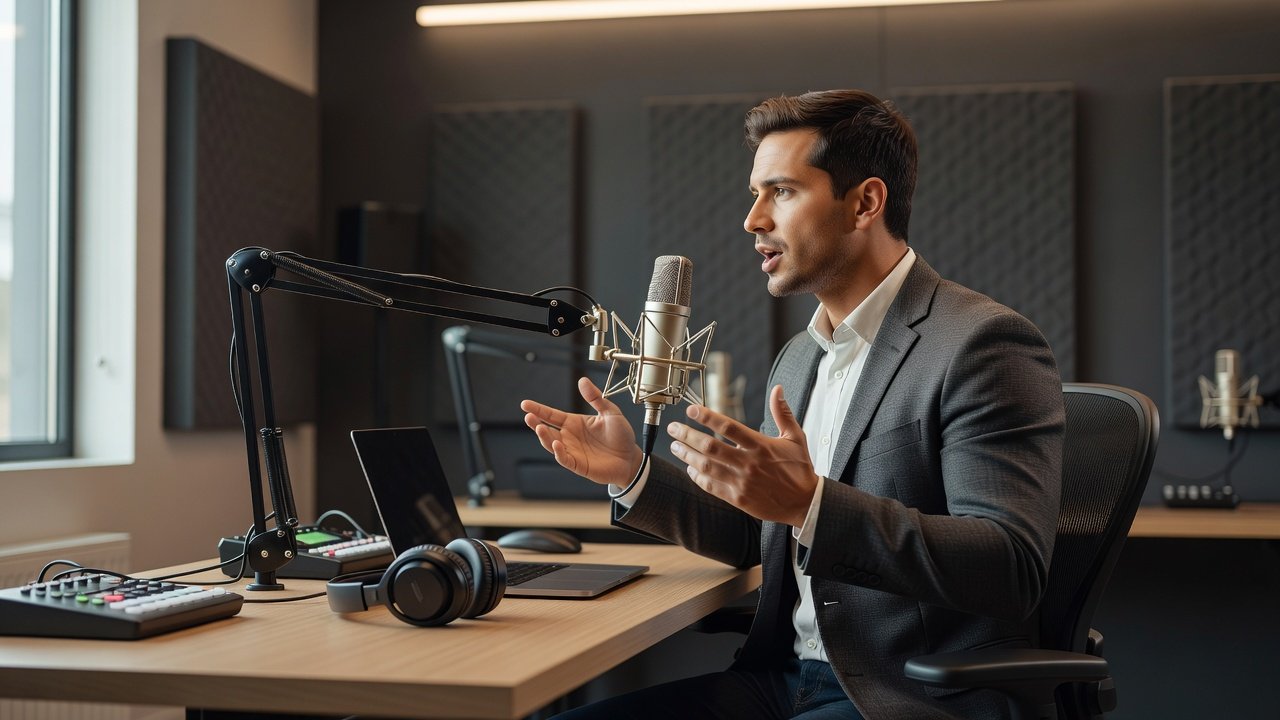
What sets How I Built This apart is its intimate, no-holds-barred approach to storytelling. Each episode feels like sitting across from a mentor who shares the messy middle of building a business, from funding fumbles to team conflicts. Listeners rave about the genuine vulnerability that emerges, making complex journeys feel approachable and human. This format keeps fans coming back week after week, eager to absorb lessons that go far beyond surface-level success tips. After producing hundreds of episodes myself, the technical reality is that capturing that vulnerability often comes down to mic choice and room treatment—close-miking with a good large-diaphragm condenser can reveal every hesitation or spark of excitement without letting ambient noise creep in and break immersion.
The show’s emphasis on audio storytelling heightens the emotional impact, letting you hear the passion in a guest’s voice during breakthrough moments. In the studio, this decision makes or breaks listener experience; a well-EQ’d voice track in your DAW, with careful compression to keep levels consistent across the narrative, turns commute time into a masterclass in resilience. For podcast enthusiasts, it’s the perfect blend of narrative drive and practical wisdom.
Several episodes have become fan favorites for their powerful arcs. The story behind Spanx reveals how one woman’s determination transformed a simple idea into a billion-dollar brand, complete with details on early rejections and clever marketing hacks. Similarly, the Airbnb founders recount couch-surfing struggles that nearly derailed their vision, offering a masterclass in persistence during economic downturns. Other highlights include the journey of Instagram’s creators, who navigated rapid growth and tough acquisition decisions, and the tale of TOMS Shoes, which wove social impact into its core model from day one. These episodes showcase diverse industries, from tech to consumer goods, proving that entrepreneurship knows no boundaries. Fans often revisit these for the motivational boost they provide during their own ventures.
Hidden gems worth bingeing include the episode on Chobani yogurt, which details immigrant success and scaling challenges in the food industry; Warby Parker’s origin story, emphasizing disrupting traditional markets with customer-first innovation; and the Patreon deep-dive for its modern take on creator economies and community building.
Beyond entertainment, How I Built This arms you with strategies that translate directly to real life. Guests frequently discuss the power of iteration, urging listeners to embrace failure as data rather than defeat. You’ll hear repeated themes around networking authentically, protecting your vision during tough negotiations, and building teams that share your values. Many fans report launching side hustles or refining pitches after tuning in, citing specific tactics like lean prototyping or customer validation loops. The show also highlights mental health aspects of entrepreneurship, encouraging balance and self-care amid hustle culture. This listener-focused wisdom turns passive listening into active growth.
The community surrounding How I Built This amplifies its impact. Dedicated listeners form online groups to discuss episodes, swap resources, and even collaborate on projects inspired by the show. This sense of belonging motivates podcast fans to stay engaged and accountable on their journeys. Guy Raz’s thoughtful questions foster empathy across industries, helping you see parallels between your challenges and those of celebrated founders. Whether you’re just starting out or scaling up, these stories remind you that you’re not alone in the grind, fostering a supportive vibe that keeps the entrepreneurial spirit alive.
Since its debut in 2016, How I Built This has grown into one of the most listened-to podcasts globally, consistently ranking in the top 10 across major platforms like Spotify and Apple Podcasts. The show’s longevity speaks to its enduring appeal—audiences continue discovering the backlog of over 600 episodes, each offering fresh perspectives on business challenges and triumphs. Guy Raz’s interviewing style, characterized by genuine curiosity and follow-up questions that dig into the emotional and strategic nuances of entrepreneurship, has become a benchmark for podcast journalism. His ability to balance skepticism with support creates an environment where founders feel safe sharing both victories and failures, making the listening experience authentic and relatable.
The production quality of How I Built This sets industry standards for narrative podcasting. The team uses strategic sound design, thoughtful editing, and archival audio clips to enhance storytelling without overwhelming the core conversation. This attention to production detail means listeners stay engaged through hour-long episodes that might otherwise feel overwhelming. For aspiring podcast creators, studying this show’s structure reveals lessons in pacing, segment transitions, and how to build narrative momentum across a single episode or multi-part series. The clarity of audio mixed with well-placed silences creates breathing room for contemplation—a technique that transforms information delivery into an immersive experience.
What makes How I Built This particularly valuable for entrepreneurs at different stages is its breadth of business models and growth trajectories. You’ll hear from bootstrapped founders who built with minimal capital, venture-backed startups that scaled rapidly, and established entrepreneurs launching entirely new ventures. The diversity of approaches means listeners can find examples matching their specific circumstances and challenges. For instance, if you’re exploring whether to take venture capital, the episode on Airbnb provides crucial context; if you’re building a lifestyle brand, the TOMS Shoes story illuminates the intersection of profit and purpose. This range prevents the show from feeling prescriptive or one-size-fits-all.
Many listeners report that How I Built This serves as a form of ongoing professional development that costs nothing beyond their podcast app subscription. Rather than investing thousands in business courses or MBA programs, fans extract similar insights—sometimes more practical ones—from real founders discussing actual decisions they made. The stories include not just wins but also pivots, failures that became learning opportunities, and scaling challenges that required painful decisions. This realistic portrayal of entrepreneurship counters the sanitized success narratives often found in business media, offering instead a more honest picture of what building actually looks like.
The show’s impact extends beyond individual listener growth to influence broader entrepreneurial discourse. Founders frequently cite How I Built This episodes in their own companies’ storytelling and culture-building efforts. Teams gather to listen together, using episodes as jumping-off points for discussions about company values, risk tolerance, and long-term vision. This downstream effect means the show shapes how entrepreneurs think about their roles and responsibilities, creating a ripple effect across the startup ecosystem.
To get the most from How I Built This, start with episodes aligned to your interests, such as tech disruptors or social enterprises. Take notes on recurring themes like adaptability and customer obsession, then experiment with one idea per week. Pair listening with reflective journaling to solidify takeaways and track personal progress. Subscribe for weekly drops and explore bonus content for deeper dives. Engaging with the show’s social channels connects you to fellow fans, turning solo listening into a vibrant, shared adventure that fuels ongoing motivation and discovery. Consider creating a personal database of key insights from episodes you find most relevant, cross-referencing them with challenges you’re currently facing. This active engagement transforms casual listening into a strategic learning practice that compounds over time, creating a personalized business mentorship experience available on demand.