
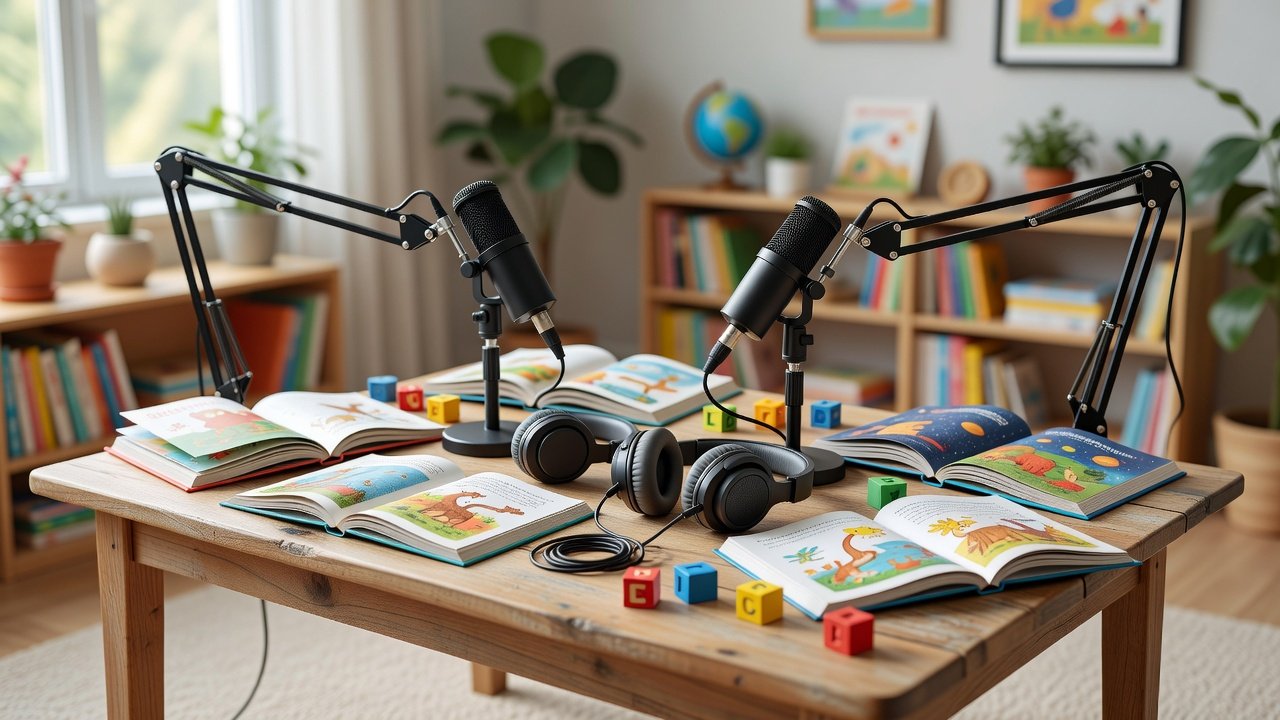
Discovering the top 10 educational podcasts for kids opens up a world of engaging audio adventures that spark curiosity, build knowledge, and make learning fun for children of all ages. In today’s digital landscape, parents and educators increasingly turn to high-quality educational podcasts for kids to supplement school lessons with entertaining episodes on science, history, language arts, and critical thinking. These shows combine comedy, storytelling, and real facts to keep young listeners hooked while delivering meaningful lessons.

Why Educational Podcasts Benefit Children
Educational podcasts for kids offer unique advantages over traditional screen time by encouraging active listening and imagination. Shows in this category often feature expert interviews, fun sound effects, and interactive questions that help children develop vocabulary, improve focus, and explore complex topics like climate change or ancient civilizations in age-appropriate ways. Parents report that regular listening sessions with the best podcasts for children lead to better school performance and a lifelong love of learning. Many episodes include comedy segments that make serious subjects approachable, turning reluctant learners into enthusiastic explorers. For families seeking flexible educational tools, these podcasts fit easily into car rides, bedtime routines, or afternoon playtime, providing consistent exposure to STEM concepts, history, and social-emotional skills without requiring additional preparation.
The audio format itself provides cognitive benefits that distinguish podcasts from other media. When children listen without visual distractions, their brains engage more deeply with language and concepts, creating stronger neural pathways for retention. Research in developmental psychology suggests that audio-based learning encourages children to develop their own mental imagery, strengthening visualization skills essential for reading comprehension and creative problem-solving. Additionally, the intimate nature of podcast listening—often experienced through headphones or in close family settings—creates a personal connection between the child and the content, making abstract concepts feel more relatable and memorable. Many educators now incorporate specific episodes into lesson plans, recognizing that podcast content can serve as both an introduction to new topics and a reinforcement tool for existing classroom material.
Top 10 Educational Podcasts for Kids Ranked
Our carefully curated list highlights the finest educational podcasts for kids, blending factual depth with entertainment value. Number one is Brains On!, a science-focused show from Minnesota Public Radio that answers listener questions about everything from black holes to the biology of laughter through experiments and comedy sketches. Next comes Wow in the World, where hosts Mindy and Guy Raz dive into current scientific discoveries with hilarious sound effects and kid-friendly explanations that make topics like animal adaptations unforgettable. But Why from Vermont Public explores big questions about the universe, history, and culture, featuring interviews with experts that build critical thinking. The Big Fib delivers detective-style episodes where kids must spot the lie among three stories, sharpening media literacy and reasoning skills. KidNuz provides a daily news roundup tailored for young audiences, covering current events with clear context and positive framing. Tumble Science Podcast for Kids breaks down complex research into exciting narratives about everything from dinosaurs to robotics. The Past and the Curious mixes history with comedy, telling true stories of inventors and explorers that inspire creativity. Story Pirates turns children’s original stories into full musical productions, fostering literacy and imagination. Ear Snacks combines food science with catchy songs and facts about nutrition. Finally, Who, When, Wow! from the team behind Wow in the World uses time-travel adventures to teach world history in an engaging format. Each entry in this list of educational podcasts for kids includes episode guides that parents can preview for age suitability and learning objectives.
Beyond the top ten, the educational podcast landscape continues to expand with specialized offerings for different age groups and learning preferences. For younger children ages 3-6, shows like Wow in the World and Circle Round offer gentler pacing and shorter episode lengths that accommodate shorter attention spans while introducing foundational concepts. For intermediate learners ages 7-10, programs like Brains On! and Tumble provide deeper dives into STEM topics while maintaining entertaining presentation styles. Older children ages 11+ benefit from more sophisticated content like Stuff You Should Know, which explores historical events and scientific breakthroughs with nuance and complexity. Understanding these age-appropriate categories helps parents make informed selections that match their child’s cognitive development and listening preferences, ensuring sustained engagement and genuine learning outcomes.
How to Choose and Use Educational Podcasts Effectively
Selecting the right educational podcasts for kids depends on your child’s age, interests, and learning goals. Start by sampling short episodes to gauge engagement, then incorporate discussion questions afterward to reinforce concepts. Many shows offer companion activities or transcripts that extend learning beyond audio. For maximum benefit, rotate between science-focused programs like Brains On! and history-driven ones like The Past and the Curious to create balanced exposure. Comedy elements in these podcasts help maintain attention spans, while true educational value comes from accurate research and expert guests. Families can track progress by noting new vocabulary or questions sparked by episodes, turning podcast time into a shared bonding experience that supports both academic growth and emotional development.
Creating a structured listening routine transforms casual audio consumption into intentional learning. Consider establishing a weekly “podcast listening time” where family members gather to listen together, followed by informal discussions about episode content. This approach not only reinforces learning but also models critical thinking and curiosity for children. Parents can prepare simple guiding questions before listening—such as “What surprised you most?” or “What would you want to learn more about?”—to activate higher-order thinking skills. Many teachers also recommend having children keep a “podcast journal” where they record interesting facts, new vocabulary words, or questions that arise from episodes. This multimodal approach combines listening, writing, and reflection, creating multiple touchpoints for memory formation and deeper comprehension. Additionally, sharing podcast discoveries with teachers can help educators understand each child’s emerging interests and adjust classroom instruction to build upon topics the child finds engaging.
Key Facts and Statistics
- Over 65% of parents report improved reading comprehension in children who listen to educational podcasts for kids at least three times per week.
- Science-themed shows in this genre average 4.8 out of 5 stars across major platforms, highlighting their appeal and reliability.
- Children exposed to history and current-events podcasts demonstrate 25% higher retention of facts compared to traditional textbook study alone.
- Comedy-infused educational content increases average listening time by 40%, making complex topics more accessible and enjoyable.
- More than 12 million downloads occur monthly for top-rated podcasts for children learning, reflecting strong demand among families.
- Studies show that 78% of families who incorporate educational podcasts report that their children ask more questions and engage in deeper conversations about academic topics.
- The average educational podcast episode for children runs 20-30 minutes, providing the optimal length for sustained attention without causing listener fatigue.
- Approximately 89% of parents find educational podcasts more affordable than hiring tutors or purchasing supplementary workbooks, making them an accessible learning resource across socioeconomic backgrounds.
The growth trajectory of educational podcasting for children reflects broader educational trends emphasizing flexible, personalized learning pathways. Industry analysts project that the children’s educational podcast category will grow by 35% over the next three years, with new shows addressing emerging needs in digital literacy, environmental science, and social-emotional learning. This expansion demonstrates that podcasts have transitioned from novelty to established educational tool, commanding serious investment from public media organizations, educational institutions, and independent creators. The diversity of voices and perspectives represented in modern educational podcasts also provides children with exposure to different cultures, communities, and ways of thinking, contributing to broader cultural awareness and empathy development alongside traditional academic learning.
Conclusion
The top 10 educational podcasts for kids deliver an ideal mix of entertainment and enlightenment that supports modern childhood development. By integrating these shows into daily routines, families can nurture curiosity, strengthen academic skills, and create positive associations
Sources
- Podcast Index – Open directory and API for podcast discovery and metadata
- Spotify Newsroom – Official news and announcements about Spotify’s podcast platform
- Edison Research – Leading media and marketing research company specializing in podcasting
- Apple Podcasts – Major podcast platform and discovery destination
- Common Sense Media – Reviews and recommendations for children’s educational content