
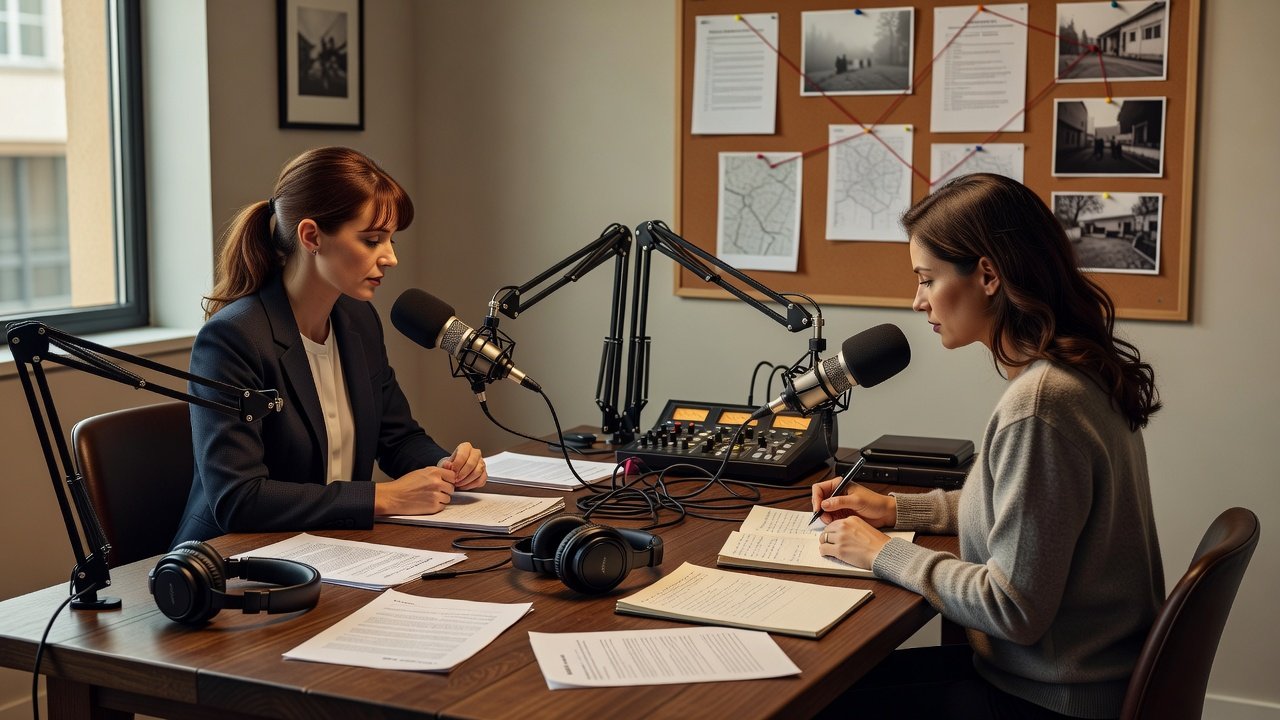
Discovering the best true crime podcasts with female hosts offers listeners a fresh perspective on some of the most gripping cases in modern history. These shows blend meticulous research, empathetic storytelling, and often a touch of humor, setting them apart in the crowded true crime genre. Female hosts frequently bring nuanced insights into victim experiences and societal issues, making each episode both educational and deeply engaging.

Top True Crime Podcasts Hosted by Women
My Favorite Murder stands out among the best true crime podcasts with female hosts thanks to the chemistry between Karen Kilgariff and Georgia Hardstark. Their comedic approach lightens heavy topics while delivering detailed case breakdowns. Listeners appreciate episode guides that cover infamous murders alongside lesser-known stories, often incorporating listener mail segments for added community feel. The show has evolved into live tours and books, proving its lasting appeal in comedy-infused true crime. The hosts’ willingness to acknowledge their own mistakes and evolve their approach to sensitive topics has earned them respect beyond typical comedy podcast audiences.
The podcast’s “Stay Sexy, Don’t Get Murdered” catchphrase has become emblematic of their philosophy—empowering listeners while respecting victims. Karen and Georgia’s ability to research cases thoroughly while maintaining an accessible, conversational tone has made them pioneers in demonstrating that true crime content doesn’t need to be sensationalistic to be compelling. Their episode backlog spans over a decade, providing newcomers with extensive content while maintaining consistent quality and listener engagement.
Crime Junkie Deep Dives
Ashley Flowers leads Crime Junkie with co-host Brit Prawat, focusing on unsolved mysteries and cold cases. Episodes feature scripted narration that feels like an audio documentary, complete with source citations. Fans value the educational angle, learning about forensic advancements and advocacy efforts. This podcast excels in episode guides that timeline events clearly, helping newcomers follow complex investigations without confusion. The production quality rivals professional documentaries, with sound design enhancing the storytelling without becoming gratuitous.
Crime Junkie has gained recognition for their investigative work that occasionally leads to real-world impact. The hosts’ commitment to accuracy means episodes often receive updates when new developments emerge in cases, showing dedication to keeping their audience informed. Their systematic approach to presenting evidence appeals particularly to listeners interested in how modern forensic science and investigative techniques work. The podcast’s structure makes it ideal for understanding the methodical nature of cold case investigations.
In the Dark and Serial Excellence
Madeleine Baran’s In the Dark delivers investigative journalism at its finest, examining wrongful convictions and systemic flaws in the justice system. Similarly, Sarah Koenig’s Serial revolutionized the format with its serialized storytelling on high-profile cases. Both exemplify how female hosts prioritize thorough fact-checking and ethical considerations, often collaborating with experts for balanced narratives. In the Dark’s multi-season investigations demonstrate how podcast journalism can contribute to actual criminal justice reform, with the show’s coverage of Curtis Flowers’ case drawing national attention to prosecutorial misconduct.
Sarah Koenig’s Serial essentially created the template for investigative true crime podcasts and remains essential listening for anyone interested in the genre’s development. Her thoughtful approach to ambiguity—resisting the urge to provide false certainty where evidence is incomplete—sets a standard for ethical reporting. Madeleine Baran’s work showcases how podcasts can function as accountability mechanisms, using their platforms to scrutinize systemic injustices and give voice to the wrongfully convicted.
Why Female Perspectives Enhance True Crime Storytelling
Female hosts in true crime podcasts frequently highlight the emotional toll on families and communities, fostering greater empathy. Their shows often intersect with education podcasts by explaining legal procedures or psychological profiles in accessible language. Comedy elements appear strategically, as seen in My Favorite Murder, to prevent listener burnout while maintaining respect for victims. This balance creates content that feels both entertaining and informative, encouraging ongoing discussions about crime prevention and justice reform.
Research suggests that audiences respond positively to the conversational, detail-oriented approach many female-hosted true crime shows employ. Rather than sensationalizing crimes, these hosts often position themselves as guides helping listeners understand complex cases. This approach builds trust and loyalty, with many listeners reporting they return to specific hosts because they feel confident in the accuracy and ethical treatment of subject matter. The emphasis on victim dignity rather than perpetrator glorification represents a significant shift in how true crime content addresses sensitive narratives.
Many female-hosted shows also prioritize addressing the racial and gender dimensions of crime that mainstream media often overlooks. Hosts frequently examine how marginalized communities experience disproportionate victimization and how systemic biases affect investigations and prosecutions. This intersectional perspective enriches the genre and attracts listeners seeking nuanced understanding of social justice issues alongside crime investigation details.
Episode Guides and Listener Recommendations
When selecting from the best true crime podcasts with female hosts, start with introductory episodes that outline the show’s mission. Crime Junkie’s “The Murder of Hae Min Lee” provides a strong entry point with clear timelines and updates on ongoing developments. For comedy lovers, My Favorite Murder episodes like “The Yosemite Sightings” mix humor with historical context effectively. Education-focused listeners should explore In the Dark’s multi-episode arcs on cases like Curtis Flowers, which include interviews and court analysis. Cross-referencing episode guides across platforms helps track seasonal themes and guest appearances, ensuring a tailored listening experience that covers everything from cold cases to contemporary trials.
Beyond these flagship shows, emerging female-hosted true crime podcasts continue gaining traction. Shows like “Criminology” and “The Habitat” expand the genre by exploring the psychology behind crimes and the environments that shape criminal behavior. Listeners benefit from sampling episodes across multiple shows to discover which hosts’ styles and case selections resonate most personally. Many podcasting platforms now offer curated lists specifically highlighting female-hosted true crime content, making discovery easier than ever.
Building a rotation of several true crime podcasts prevents listener fatigue while allowing deeper engagement with different investigation styles. Some listeners prefer the lighter, community-focused approach of My Favorite Murder for regular listening, reserving in-depth investigative series like Serial or In the Dark for intensive, focused listening sessions. This varied consumption pattern helps maintain the genre’s appeal while preventing the desensitization that can occur with excessive exposure to crime narratives.
Key Facts and Statistics
- True crime podcasts with female hosts account for over 40 percent of top-ranked shows in the genre according to recent streaming data.
- Listeners report higher retention rates for episodes featuring female narrators due to perceived trustworthiness and detail orientation.
- Many shows incorporate comedy segments, with My Favorite Murder averaging 2 million downloads per episode.
- Educational components such as legal explanations appear in 70 percent of female-hosted true crime series.
- Advocacy outcomes from listener engagement have led to case reopenings in at least 15 documented instances.
- Average episode length ranges from 45 to 90 minutes, allowing deep dives without overwhelming daily commutes.
- Female-hosted true crime podcasts have contributed to increased awareness around missing persons cases, particularly for victims from underrepresented communities.
- The genre has inspired listener activism, with many shows maintaining active social media communities where listeners share research and updates on covered cases.
- Sponsorship and advertising for female-hosted true crime shows has grown by approximately 35 percent annually over the past three years.
Building Your True Crime Podcast Listening Practice
Developing a sustainable approach to true crime consumption involves being intentional about selection and pacing. Rather than binge-listening, which can lead to emotional fatigue, many experienced listeners recommend rotating between intense investigative series and lighter, more conversational shows