
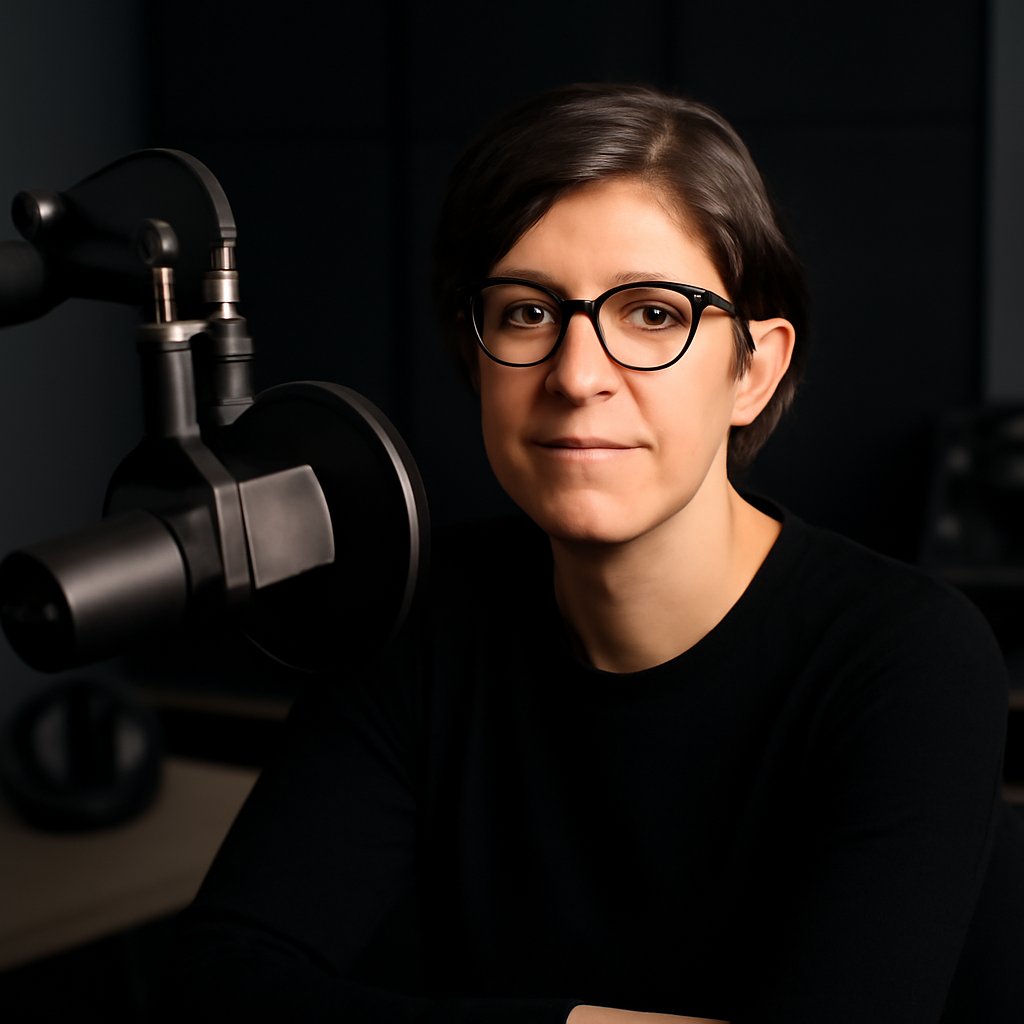
Sarah Koenig’s work on Serial didn’t just shift how stories get told in true crime—it raised the bar for what counts as production-quality audio journalism. Her measured narration and the show’s meticulous editing turned dense case files into something that feels intimate on headphones, something you can actually follow without losing the thread in the mix.
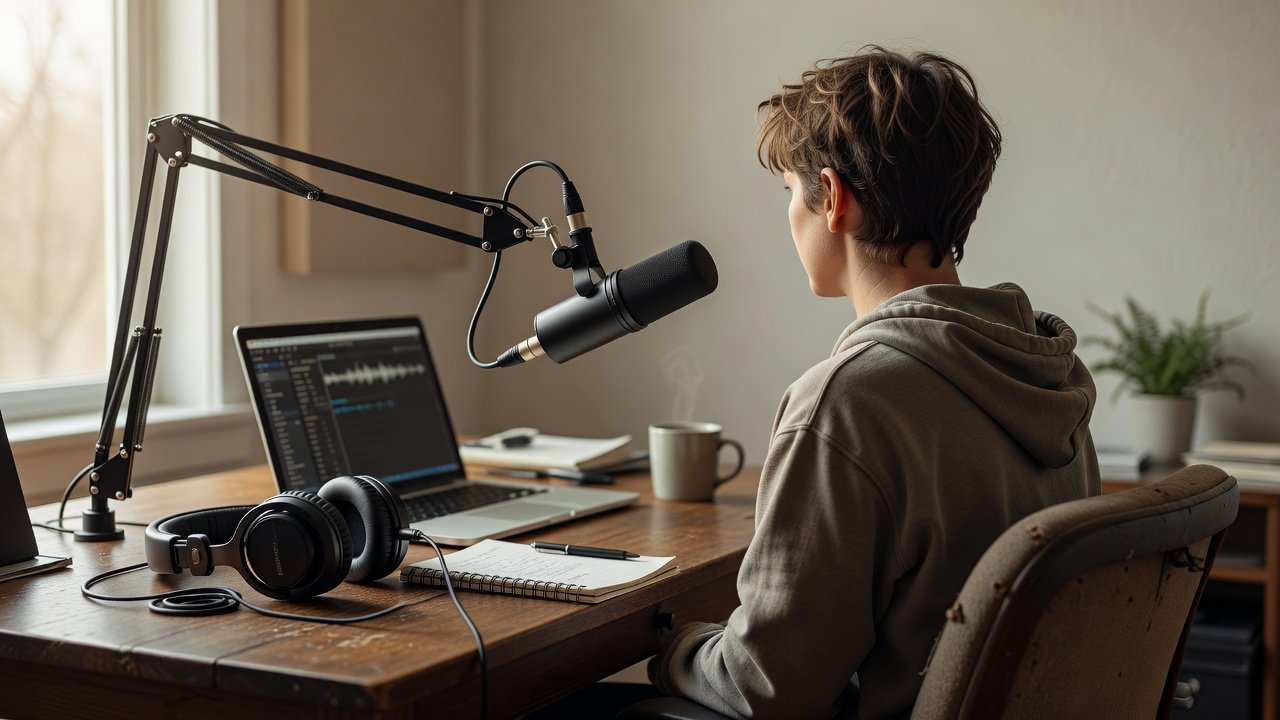
From her early days at The New York Times and This American Life, Koenig brought print-level research discipline into the booth. That background shows up in the way she handles long takes and careful pacing. After producing hundreds of episodes myself, the technical reality is that this kind of prep makes the difference between a recording that needs heavy compression and noise reduction later versus one that sits clean in the DAW from the first pass.
When she moved fully into audio at This American Life, she started experimenting with extended narrative arcs that simply hadn’t been attempted at scale before. In the studio, decisions about mic placement, room tone consistency, and how much breathing room to leave between sentences make or break listener experience across a multi-hour season. Serial’s format proved that audiences would stick with a story if the engineering supported the journalism instead of fighting it.
Season one dropped in 2014 and centered on the Adnan Syed case. The production team treated every interview and courtroom clip like source material that had to be EQ’d and leveled for clarity, not just dropped in. That approach generated over 300 million downloads and pushed the case back into active legal review. Later seasons shifted to Bowe Bergdahl and broader systemic questions, each time keeping the same commitment to transparent sourcing and clean audio presentation. Koenig picked up multiple Peabody Awards along the way, and the show’s download numbers—five million in record time—still get cited whenever anyone talks about what a breakout hit actually looks like in this medium.
The larger effect on the genre has been a move toward tighter editing standards and less sensational sound design. Creators who followed started adding episode guides and deeper companion material because Serial demonstrated that listeners want to dig into the evidence themselves. Her low-key presence behind the mic also modeled how restraint in delivery can let the reporting carry the weight, something that holds up even when you’re mixing for mobile playback on varying earbuds and car speakers.
What made Koenig’s approach different from other true crime content was her willingness to show uncertainty and evolve her conclusions as new information emerged. She didn’t present herself as having all the answers on day one. Instead, she invited listeners into the investigative process itself, documenting her doubts and shifting perspectives across episodes. This transparency about the limitations of her own investigation paradoxically made the journalism feel more credible, not less. Audiences recognized that real investigation is messy, that leads dry up, that previous assumptions need to be revisited. By modeling intellectual honesty on the microphone, Koenig created a different kind of relationship with listeners—one built on shared critical thinking rather than passive consumption.
The technical production decisions that supported this narrative approach are worth examining in detail. Koenig’s team uses relatively minimal music and sound design compared to competitors in the true crime space. Where other shows might lean heavily on atmospheric music or dramatic stings, Serial relies on conversational flow, silence, and the natural rhythm of Koenig’s voice to create tension. This restraint requires confidence in the material itself and in the listener’s ability to stay engaged without constant audio manipulation. From a production standpoint, this is harder than it sounds—it’s easier to fill dead air with a music bed than to find the exact right pause that lets a revelation land.
Interview techniques visible throughout Serial also demonstrate advanced audio journalism methodology. Koenig conducts many interviews by phone or in challenging acoustic environments, but the editing and mixing work ensures that even compressed phone audio feels purposeful rather than degraded. She asks follow-up questions that circle back to earlier claims, creating narrative threads that listeners can track. The production process involves careful transcription and archiving of every interview, allowing the team to pull exact quotes or moments weeks after recording. This level of documentation is standard in print journalism but relatively rare in podcast production at the time Serial launched.
The show’s impact on podcast business models deserves mention as well. Before Serial, true crime podcasts were largely independent projects or secondary content from established media organizations. Serial proved that long-form investigative podcasting could drive significant audience engagement and generate premium sponsorship opportunities. The show’s success with Serial Studios and later production deals demonstrated that podcast audiences would support professional-grade productions financially, whether through sponsorship, subscriptions, or direct support. This economic validation opened funding for other ambitious audio projects that might not have found backing otherwise.
Serial’s reach helped expand This American Life’s digital footprint through the mid-2010s, and listener surveys still rank Koenig high for clarity and investigative detail. The numbers and the awards are there, but the lasting production lesson is that careful sourcing, consistent levels, and narrative discipline can turn a single season into a reference point the entire industry measures itself against.
For independent podcasters looking to study Koenig’s techniques, several elements stand out as teachable. First, invest time in pre-production interviews and research before you begin recording the narrative arc. Koenig typically spent months investigating before recording began. Second, establish a clear narrative structure that audiences can follow week to week, even if the investigation itself is genuinely uncertain. Listeners need a sense of forward momentum and clear episode-to-episode progression. Third, build redundancy into your sourcing—use multiple interview formats (in-person, phone, email follow-ups) to verify information and create audio variety. Finally, accept that post-production will take as long as reporting. Clean, clear audio that serves the story requires mixing time that many independent creators underestimate.
The legacy of Sarah Koenig and Serial extends beyond specific production techniques or award recognition. The show fundamentally changed listener expectations about what podcast journalism could accomplish. It demonstrated that audio storytelling could be as rigorous, as detailed, and as impactful as print or video investigations. It showed that long-form narrative podcasts could compete for cultural attention with television and film. And it proved that the medium itself—intimate, accessible, following you through daily life—was uniquely suited to the kind of sustained engagement that serial storytelling requires.