

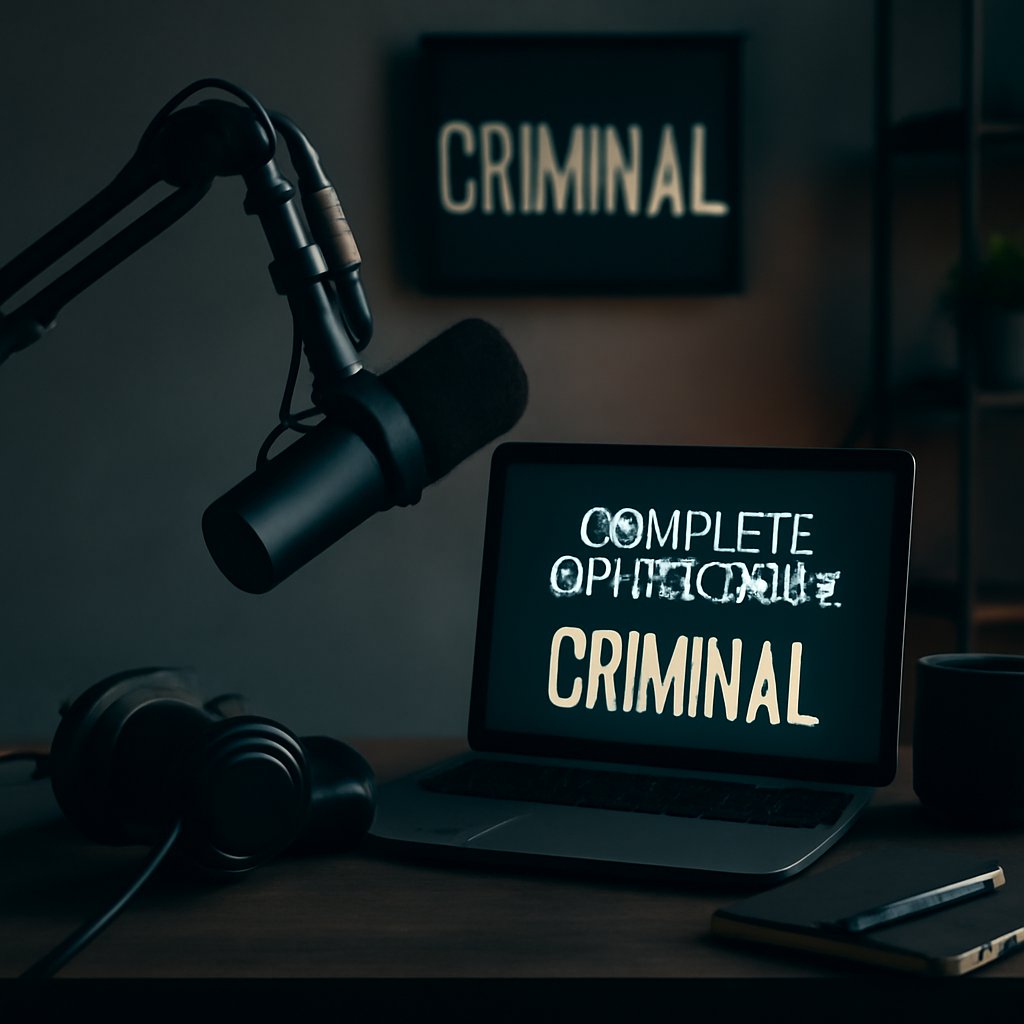
If you’re prepping a true crime series and want to study what actually works in the mix, Criminal is worth pulling up in your DAW. Phoebe Judge’s delivery sits right in that sweet spot—close-miked, minimal room tone, just enough compression to keep everything even on earbuds without sounding squashed. After eight years cutting episodes myself, I can tell you that choice alone keeps listeners from bailing when the narrative gets dense.
The show launched in 2014 and has now cleared more than 220 episodes. They average roughly 25 installments per season, each running 20–40 minutes for a total library north of 100 hours. That kind of volume forces disciplined workflow: consistent gain staging, tight edits on breaths, and a noise floor low enough that you can push quiet testimony without pumping up HVAC rumble.
Season 1 set the template with twelve foundational episodes. “Animal Instincts” opens the run, and you can hear the early production still finding its footing—slightly wider stereo field on the host track, less aggressive de-essing. Later entries like “The Hairdresser” and “Locked Up” tighten up. In the studio, this decision makes or breaks listener experience; once they locked the vocal chain, the empathy in the storytelling landed without any distracting artifacts.
Standout cut “The Bridge” is a master class in pacing. The producers let long silences breathe, then slam a subtle low-end riser under the emergency-response details. After producing hundreds of episodes, the technical reality is that most shows over-edit those pauses; Criminal leaves them in, which forces you to stay present. This editorial discipline extends to how they handle emotional beats—they resist the urge to underscore every revelation with music, allowing the human voice and narrative weight to do the work. For producers building their first true-crime series, this restraint is harder to achieve than it sounds, but it’s what separates amateur runs from shows that command sustained attention.
The sonic identity of Criminal also owes much to its use of music and sound design. Rather than employing dramatic stings or heavy orchestration, the show favors sparse, atonal beds that create unease without manipulation. This approach aligns with Phoebe Judge’s measured narration style—together they establish a tone of investigative seriousness that feels journalistic rather than sensationalized. Listeners consistently cite this restraint as a reason they trust the reporting, which directly impacts subscription retention and word-of-mouth growth.
Seasons 2–5 mark the shift to longer formats and international sourcing. Episodes such as “The Letter” and “Shanghaied” incorporate archival phone lines and courtroom recordings that would normally fight you in post. Their solution—high-pass filtering the phone clips at 180 Hz and matching them to the main vocal with gentle multiband compression—keeps everything intelligible even on phone speakers. Key themes around wrongful convictions and cold cases get extra weight because the audio evidence is always clean enough to matter.
One technical insight worth noting: Criminal’s team clearly invests in forensic audio cleanup without making it obvious. When they pull old recordings or testimony from compromised sources, they use transparent restoration techniques that maintain the authenticity of the material. A listener hears clarity, not the sound of processing. This is the mark of a production team that understands the difference between mixing for intelligibility and mixing to obscure the hard work underneath. It’s a skill that takes years to develop and separates professional operations from eager amateurs with good intentions.
The show’s approach to narrative structure also reinforces its technical excellence. Each episode builds in acts, with natural breaks that allow for ad placement or listener pause points without jarring the experience. This structural awareness means the audio pacing aligns with the editorial flow—no sudden volume jumps, no awkward transitions, no moments where you realize you’ve been listening to production debris instead of story. For podcasters working with limited budgets, this lesson matters more than any individual plugin: good structure and tight editing accomplish what expensive gear cannot.
By seasons 6–10 the workflow clearly includes more remote contributors and listener submissions. Tracks like “The Knock at the Door” and “Object of Desire” weave in cybercrime audio and art-theft field recordings. You can spot the upgraded chain: probably a 32-bit float recorder on location and a proper dialogue enhancer plug-in in the final pass. The show also added live episodes and bonus drops, which means they had to solve phase issues between multiple mics on stage—something every live producer sweats over. Managing coherence across multiple audio sources, especially in a live setting where you can’t punch in fixes, demands rigorous attention to mic placement, gain structure, and monitoring.
Recent seasons have also expanded Criminal’s thematic range beyond traditional crime narratives. Some episodes venture into legal gray areas, systemic failures, and the human cost of bureaucratic decisions. This evolution required the production team to adapt their sonic approach—stories about regulatory capture or immigration law need a different audio texture than stories about robbery or fraud. Criminal handles these variations with consistency, maintaining listener trust even as the subject matter becomes more abstract or policy-focused. That’s not trivial; it speaks to production maturity and editorial confidence.
The show’s consistent quality has also positioned it as a reference point in podcast criticism and education. Audio engineers and producers routinely cite Criminal episodes as examples of excellent mixing, clear narration, and compelling sound design. Universities teaching podcast production often feature Criminal in their curriculum. This recognition translates to industry credibility, which in turn attracts quality guests, interview subjects, and collaborative opportunities. For newer shows, this suggests that investing in audio quality isn’t a luxury expense—it’s a business decision with compounding returns.
Listener numbers are still climbing, especially on the non-violent crime episodes, and the demo sits squarely in the 25–54 range that actually finishes long-form audio. Awards—Peabody, Webby—track with the production polish as much as the journalism. If you’re building your own series, start with the early seasons to hear the chain evolve, then jump to the later ones for current reference mixes. The technical bar they’ve set is now the minimum expectation for anything claiming serious true-crime territory.
For distribution strategy, Criminal has also demonstrated the value of platform diversity. While the show thrives on major platforms like Spotify and Apple Podcasts, it maintains an independent presence through PRX and its own website. This multi-platform approach protects against algorithm changes and gives listeners multiple pathways to discover or access episodes. It’s also a reminder that sustainable podcast success requires thinking beyond streaming metrics—community, direct relationships, and archival accessibility matter equally.